First Impressions
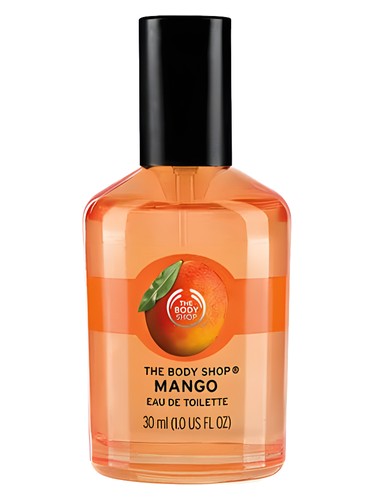
Close your eyes and imagine biting into a ripe, sun-warmed mango—juice dripping down your fingers, sweetness flooding your senses with that unmistakable tropical brightness. That''s the promise The Body Shop''s Mango fragrance makes from the first spritz. This is a perfume that doesn''t whisper; it announces itself with unabashed fruity exuberance, dominated entirely by its namesake tropical accord. There''s an immediate sweetness here, backed by a terpenic edge that adds an almost citrus-like brightness to the composition. It''s the olfactory equivalent of a summer morning, simple and cheerful, with no pretense of complexity or sophistication. This is fruit-forward fragrance at its most literal, and for those seeking exactly that, the initial impression delivers a straightforward burst of mango goodness.
The Scent Profile
Here''s where things get interesting—or rather, conspicuously simple. The Body Shop hasn''t disclosed specific note breakdowns for Mango, and honestly, the fragrance doesn''t seem to need them. What you encounter is less a journey through traditional perfume architecture and more a sustained experience of mango-ness from start to finish.
The opening immediately establishes the tropical dominance that defines this scent at 100%. That fruity accord follows closely behind at 80%, creating a lush, juice-dripping effect that feels almost edible. The sweetness, clocking in at 60%, prevents the fragrance from veering into overly tart territory, though there''s a subtle sour note—just 10%—that adds a touch of realistic fruit complexity. That terpenic quality at 30% is crucial; it''s what keeps this from smelling like artificial candy, lending instead a more natural, skin-of-the-fruit authenticity.
As the fragrance settles, don''t expect dramatic transformations. A whisper of woodiness appears in the base—barely there at 10%—offering the faintest structure to what is otherwise an unapologetically linear experience. This isn''t a perfume that reveals hidden layers or surprises you hours later. What you spray is what you get: pure, uncomplicated mango from beginning to end.
Character & Occasion
With a staggering 100% summer alignment and 92% day-wear rating, Mango couldn''t be more explicit about when it wants to be worn. This is a fragrance for sun-drenched afternoons, weekend brunches, beach trips, and any moment when complexity would feel like overkill. Spring captures 43% of its seasonal appeal, making it a legitimate option for warmer transitional days, but fall and winter? At 10% and 6% respectively, this mango stays decidedly in its warm-weather lane.
The overwhelmingly daytime orientation (with just 12% finding it suitable for evening) positions this as a casual, approachable scent. It''s not trying to seduce or impress at a formal dinner—it''s content being the fragrance equivalent of sundress and sandals. The feminine classification fits its sweet, fruity profile, though anyone who loves tropical scents could pull this off with confidence during laid-back moments.
Community Verdict
This is where the story takes a bittersweet turn. With a mixed sentiment score of 6.5/10 based on five community opinions, the fragrance sits in complicated territory. The rating of 3.94 out of 5 stars from 559 votes suggests general appreciation, but the Reddit community reveals a crucial nuance: there are two versions of this story, and they''re not the same tale.
The pros paint a picture of what works: a fresh, bright mango scent that smells naturally fruity with a simple, uncomplicated profile. Fans remember the original perfume oil formula as beloved and memorable—key word being "original."
The cons tell the real story: the current EDT formula simply doesn''t match what came before. The discontinued original version has become difficult or impossible to find, and this reformulation has genuinely disappointed those who remember the classic. While The Body Shop technically still offers Mango, loyal fans report it''s an unsatisfactory replacement for what they actually want. This is the fragrance equivalent of a restaurant changing a beloved recipe—technically the same dish, emotionally a completely different experience.
How It Compares
The Body Shop positions Mango alongside fragrances like Britney Spears'' Fantasy and Midnight Fantasy, Dolce & Gabbana''s L''Imperatrice 3, and even Mugler''s Angel—all featuring prominent fruity-sweet profiles. Also comparable is The Body Shop''s own Strawberry, suggesting a house style of straightforward, fruit-forward accessibility.
Where Mango distinguishes itself is in its singular focus. While those comparisons often layer their fruitiness with florals, vanillas, or gourmand elements, Mango commits fully to its tropical identity without much supporting cast. It''s less complex than L''Imperatrice''s watermelon-kiwi sophistication and far simpler than Angel''s multifaceted sweetness, but that simplicity is intentional—at least in theory.
The Bottom Line
The Body Shop''s Mango sits at a crossroads between what it was and what it is. If you''re discovering it fresh in 2024 without baggage from the past, you''ll find a perfectly pleasant, affordable tropical fragrance that does exactly what the name promises. It''s ideal for someone wanting an uncomplicated, cheerful summer scent for casual wear—nothing more, nothing less.
But if you''re one of the faithful seeking to recapture the original perfume oil''s magic, prepare for disappointment. The reformulation represents one of those frustrating perfume industry moments where accessibility (an EDT format) comes at the cost of what made something special in the first place.
At its current rating, Mango sits just below "good" territory, which feels accurate. It''s competent, wearable, and occasionally delightful when the mood and weather align perfectly. The value proposition is reasonable given The Body Shop''s accessible pricing, but it''s not the bargain it would be if the formula matched the memories.
Should you try it? Absolutely, if you love straightforward fruit scents and summer fragrances—just manage expectations if you''ve heard tales of the "original" that got away.
AI-generated editorial review