First Impressions
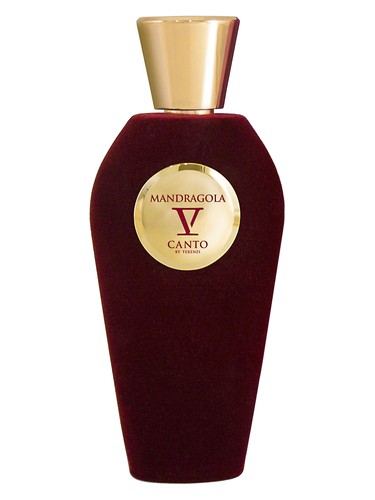
The first spray of Mandragola feels like opening a leather-bound grimoire in a Renaissance apothecary. There''s an immediate herbal bite—absinthe''s distinctive anise-tinged bitterness—tempered by the golden warmth of saffron and a flash of lime''s green brightness. This isn''t the gentle introduction of a crowd-pleaser; V Canto has named this fragrance after the legendary mandrake root, steeped in occult tradition, and they clearly mean it. The opening is unapologetically complex, almost challenging, with bergamot providing just enough citrus diplomacy to keep things from veering into pure witchcraft. It''s a fragrance that announces itself with confidence, demanding attention rather than seeking approval.
The Scent Profile
Mandragola''s evolution is a masterclass in controlled chaos. Those opening notes—absinthe, saffron, lime, and bergamot—create an aromatic-citrus coalition that reads almost masculine in its intensity. The lime brings unexpected freshness to what could otherwise be an overwhelmingly heavy introduction, while the absinthe adds an herbal, slightly medicinal quality that feels deliberately unconventional for a feminine fragrance.
As the initial brightness settles, the heart reveals its true character. Bulgarian rose emerges, but this isn''t your grandmother''s rose water. Surrounded by guaiac wood''s smoky depth and jasmine''s indolic richness, the floral elements take on a darker, more mysterious quality. Petitgrain adds a bitter-green edge, while musk begins to lay the foundation for what''s to come. This middle phase walks a fascinating tightrope between traditional femininity and something far more androgynous and intriguing.
The base is where Mandragola fully commits to its woody identity—the accord that dominates at 100% according to community consensus. Agarwood brings that characteristic oud richness, earthy and resinous, while sandalwood and vetiver provide supporting woody depth. Amber adds warmth and projection, and vanilla softens the composition just enough to keep it wearable rather than purely austere. It''s a substantial foundation that lingers for hours, transforming the fragrance from its bright, herbal opening into something enveloping and nocturnal.
Character & Occasion
The data tells a clear story: Mandragola is a cold-weather creature. With perfect scores for winter wear and near-perfect marks for fall, this is emphatically not a summer garden party fragrance. Only a quarter of wearers find it suitable for summer, and for good reason—the heavy woods, oud, and warming spices want cooler air to truly shine. Spring might work during transitional weather, but this fragrance truly comes alive when the temperature drops.
The day-versus-night profile is equally telling. While it scores respectably for daytime wear at 49%, it achieves a perfect 100% rating for evening use. This makes intuitive sense: the powdery-woody character with prominent oud is sophisticated and substantial, better suited to dinner reservations than desk work. Think gallery openings in November, late-night conversations in dimly lit wine bars, or simply making an ordinary evening feel more ceremonial.
While marketed as feminine, the composition tells a more nuanced story. That dominant woody character (backed by aromatic and oud accords at 60% and 51% respectively) creates a fragrance that could easily be worn by anyone drawn to sophisticated, gender-fluid scents. The rose and jasmine nod toward traditional femininity, but they''re supporting players rather than stars.
Community Verdict
With 437 votes landing at 3.72 out of 5, Mandragola sits in respectable territory—well-liked but not universally adored. This rating suggests a fragrance with a specific point of view, one that resonates strongly with those who appreciate its particular aesthetic while perhaps feeling too niche for mainstream tastes. The relatively high vote count indicates genuine interest from the community, and the score itself suggests quality execution even if it''s not everyone''s personal style.
This isn''t a safe crowd-pleaser, and the rating reflects that honestly. It''s the kind of fragrance that likely earns passionate fives from its devotees and more reserved threes from those who respect its construction but don''t connect emotionally.
How It Compares
The comparison set reveals Mandragola''s positioning in the prestigious woody-oud category. Sharing space with Tom Ford''s Oud Wood suggests similar sophistication and woody refinement, while the connection to Nasomatto''s Black Afgano hints at that dark, resinous character. The mention of Baccarat Rouge 540 is intriguing—perhaps pointing to similar powdery-woody elements and amber warmth, though Mandragola is decidedly less sweet and more traditionally woody.
Laudano Nero by Tiziana Terenzi (another Italian house) and Memoir Woman by Amouage position Mandragola among artistic, niche creations rather than designer territory. It''s clearly playing in the same league as these complex, uncompromising compositions.
The Bottom Line
Mandragola is a fragrance for those who find conventional "pretty" perfumes uninspiring. At its best during cold months and after dark, it offers a sophisticated take on woody-oud compositions with enough unusual elements—that absinthe opening, the powdery drydown—to distinguish it from the countless oud releases flooding the market.
The 3.72 rating shouldn''t discourage exploration; rather, it confirms this is a fragrance with personality. Not everyone will love it, but those who do will likely love it deeply. For anyone drawn to the similar fragrances listed, particularly Oud Wood or Laudano Nero, Mandragola deserves a test. It''s V Canto flexing their Italian artistry, creating something that honors both Renaissance mystery and modern niche sensibilities. Sample before committing, but absolutely sample.
AI-generated editorial review