First Impressions
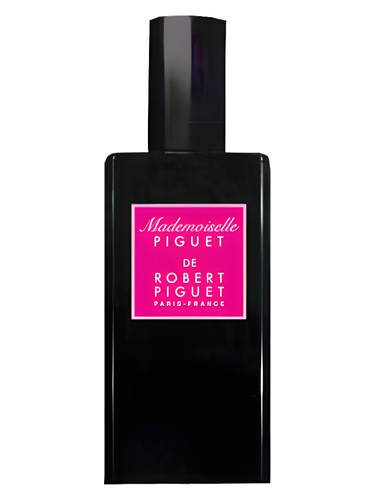
The first spritz of Mademoiselle Piguet delivers an immediate contradiction: the sunny brightness of bergamot and apricot colliding with the rich, marzipan-like whisper of almond. It''s breakfast on the Côte d''Azur—a croissant still warm from the oven, apricot preserves catching the morning light, and somewhere in the distance, citrus groves releasing their fragrance into salt-tinged air. This isn''t the sharp, angular modernity that dominated the early 2010s; instead, Robert Piguet''s 2012 release feels like a deliberate step backward into classical femininity, albeit one executed with enough contemporary restraint to avoid feeling dated.
Within moments, that fruity-nutty opening begins its graceful retreat, making way for what this fragrance truly wants to be: a love letter to orange blossom. The transition is seamless, like watching dawn give way to full morning, and you realize this opening act was never meant to steal the show—just to prepare you for it.
The Scent Profile
The almond-apricot pairing that announces Mademoiselle Piguet walks a fascinating line between gourmand indulgence and fresh fruity brightness. The almond here isn''t the heavy, extract-thick version found in pure gourmands; it''s lighter, more lactonic, almost creamy. The apricot adds a velvet texture to the bergamot''s citrus snap, creating a top note triumvirate that''s simultaneously energizing and comforting. This fruit-nut combination might seem straightforward on paper, but in practice, it creates a warmth that keeps the citrus from veering too tart or cologne-like.
Then comes the heart, and with it, the fragrance''s true identity: orange blossom in glorious, unapologetic abundance. This is where Mademoiselle Piguet plants its flag firmly in white floral territory. The orange blossom here is neither the indolic, heavy version that can overwhelm nor the pale, watery interpretation that disappoints. Instead, it occupies a middle ground—fresh enough to feel spring-like, rich enough to carry presence. It retains the natural duality of orange blossom: part petal, part citrus leaf, with that characteristic honeyed quality that makes the flower so beloved. The transition from the fruity opening into this floral heart feels utterly natural, as if the apricot was always just orange blossom in disguise.
The base brings tonka bean into the composition, that vanilla-adjacent note that adds warmth without veering into full dessert territory. Here, the tonka serves a supporting role, rounding out the orange blossom''s edges and providing just enough sweetness to echo that almond-apricot memory from the opening. It''s a soft landing rather than a dramatic finale, allowing the white floral character to persist while gaining a subtle, skin-like warmth. The vanilla accord that emerges—registering at 35% according to community perception—is gentle, more suggestion than statement.
Character & Occasion
The data tells a clear story: Mademoiselle Piguet is a creature of daylight and warmth. With a 97% day rating versus just 37% for night, this is emphatically not a fragrance for dimly lit cocktail bars or evening galas. It''s for morning meetings where you want to project approachability, lunch dates in garden cafés, afternoon errands where you still want to smell intentional. The fragrance speaks in a conversational tone rather than a dramatic monologue.
Seasonally, spring claims this perfume entirely (100%), though summer follows closely at 61%. The citrus-white floral combination makes perfect sense for those months when you want fragrance that feels alive without being heavy. Interestingly, fall registers at 58%, suggesting that the tonka base and almond-apricot warmth give it enough coziness to transition into cooler weather—though winter''s mere 26% showing indicates its limits. This isn''t a fragrance that will cut through cold air or hold its own against heavy wool and cashmere.
Who wears Mademoiselle Piguet? The composition suggests someone who appreciates classical femininity but doesn''t want to announce it loudly. It''s for the woman who owns at least one strand of pearls but doesn''t feel compelled to wear them daily. There''s a propriety to this fragrance, a politeness that some will find charming and others might find too safe.
Community Verdict
With 479 votes landing at 3.85 out of 5, Mademoiselle Piguet occupies that interesting space of "quite good" without reaching "exceptional." This rating suggests a fragrance that delivers on its promises without necessarily exceeding expectations. It''s well-crafted, pleasant, wearable—all positives, though perhaps not the kind that inspire passionate devotion. The rating indicates a fragrance worth exploring, particularly for those who already know they love orange blossom-centric compositions. It''s not reinventing any wheels, but it''s turning them smoothly.
How It Compares
The comparisons to Pure Poison, Coco Mademoiselle, Organza, Datura Noir, and Poeme place Mademoiselle Piguet in illustrious company—these are fragrances that defined or refined white floral sophistication for their respective eras. Against Pure Poison''s orange blossom-white floral intensity, Mademoiselle Piguet feels sunnier and less mysterious. Next to Coco Mademoiselle''s patchouli-laced modernism, it''s sweeter and more overtly floral. Compared to Datura Noir''s gothic drama, it''s positively cheerful.
What sets it apart is that almond-apricot opening and the particular brightness of its orange blossom treatment. It carves out space as a more casual, daytime-friendly alternative to some of these headier compositions.
The Bottom Line
Mademoiselle Piguet is a well-executed white floral that knows exactly what it wants to be: pleasant, pretty, and eminently wearable for daytime spring and summer occasions. Its 3.85 rating reflects this positioning—it''s a solid performer rather than a groundbreaking masterpiece. The orange blossom heart is genuinely lovely, the almond-apricot opening provides character, and the tonka base offers enough warmth to keep things interesting through the drydown.
Should you try it? Absolutely, if you''re seeking a daytime white floral that won''t overwhelm your office or outshine the bridal party. If you found Pure Poison too intense or Coco Mademoiselle too sharp, this might be your middle ground. Just don''t expect it to challenge you or surprise you after that initial spray—and for many wearers, that reliability is precisely the point.
AI-generated editorial review