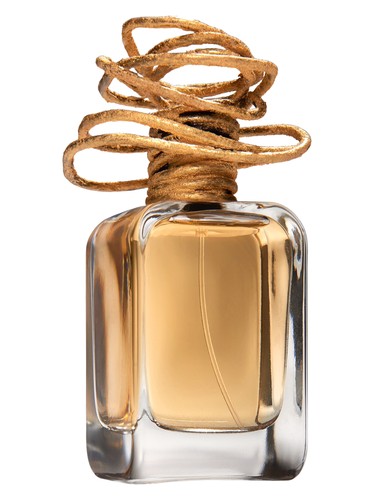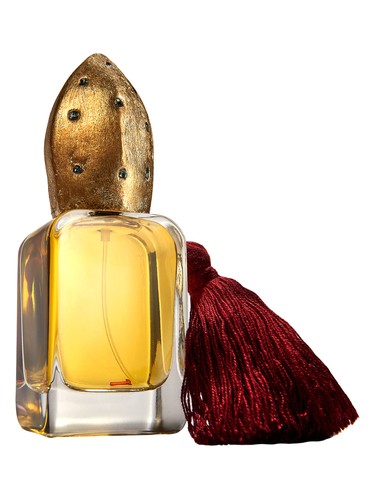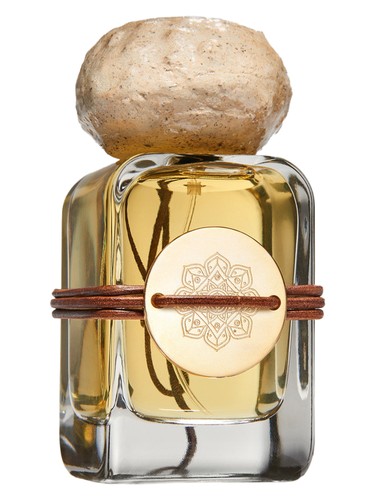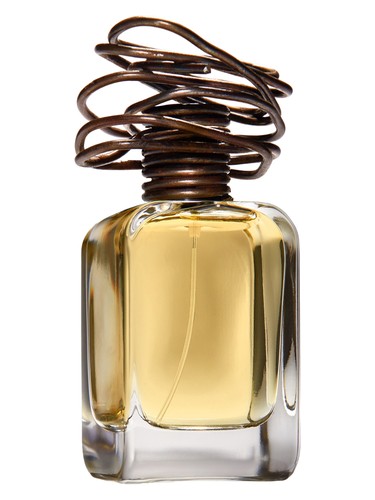
First Impressions
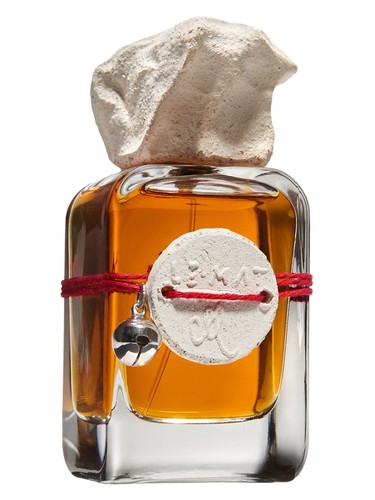
The first spray of Le Mat feels like stepping into a dimly lit apothecary where fresh-ground spices mingle with velvet rose petals. Named after the Tarot''s Fool card—Le Mat in French—this 2014 Mendittorosa creation refuses to play by conventional rules. What strikes you immediately is heat: not the literal warmth of skin musk or amber, but something more enigmatic. It''s the heat of crushed peppercorns meeting the coolness of rose water, of contradictions held in perfect tension. This is rose refracted through a prism of spice, emerging unrecognizable yet utterly compelling.
The opening moments reveal why the community has rated warm spicy at a perfect 100% intensity, with fresh spicy following close behind at 70%. There''s a duality here—warmth and coolness, softness and edge—that suggests Mendittorosa wasn''t interested in creating just another rose fragrance. They wanted something more complex, more challenging, more alive.
The Scent Profile
Without specified note breakdowns, Le Mat reveals itself as a study in accord architecture rather than a traditional pyramid structure. The dominant warm spicy character provides the framework, but it''s the interplay between elements that creates the magic.
The fresh spicy aspect—that striking 70% accord—gives Le Mat its initial brightness. Think of it as the spark that ignites the composition, a crackling energy that keeps the heavier elements from becoming somnolent. This freshness prevents the rose from turning powdery or grandmotherly, instead maintaining an edge throughout the wearing.
That rose accord, registering at 68%, sits at the heart of the composition but arrives transformed. It''s not the dewy garden rose of spring mornings or the jammy Turkish rose of traditional orientals. This is rose darkened by spice, complicated by herbal nuances (51%), and given gravity by patchouli (46%). The herbal qualities add a slightly medicinal, aromatic dimension—think crushed stems alongside the blooms, the green alongside the pink.
As the fragrance settles, the woody base notes (45%) emerge alongside that patchouli, creating a foundation that''s earthy without being heavy, grounding without losing the initial vivacity. The patchouli here doesn''t scream; it whispers, adding depth and a subtle smokiness that complements rather than dominates.
Character & Occasion
The seasonal data tells a clear story: Le Mat is a creature of cooler weather. Fall receives a perfect 100% rating, with winter close behind at 85%. This makes perfect sense when you consider that warm spicy profile—this is a fragrance that needs a chill in the air to truly shine. Spring sees moderate approval at 47%, while summer lags significantly at 23%. Wear this in August heat and you''ll understand why; the density and spice need room to breathe.
Interestingly, while marketed as feminine, Le Mat possesses a bold, unisex quality that challenges gender boundaries. The rose here is too spiced, too dark, too complex to read as conventionally feminine. It''s a fragrance for someone confident enough to smell interesting rather than simply pleasant.
The day/night split is revealing: 62% approval for daytime wear versus 79% for evening. This tracks with the fragrance''s character—it''s perhaps a touch intense for casual daytime scenarios but absolutely thrives in evening settings. Think dinner reservations rather than brunch, gallery openings rather than morning meetings. It''s sophisticated without being unapproachable, distinctive without being difficult.
Community Verdict
With 800 votes tallying to a 4.27 out of 5 rating, Le Mat has clearly found its audience. This is a strong score, suggesting a fragrance that delivers on its promise while maintaining enough complexity to reward repeated wearings. The fact that it''s garnered 800 votes also speaks to genuine community engagement—this isn''t a fleeting trend but a fragrance that continues to attract attention nearly a decade after its release.
That rating suggests broad appreciation while stopping short of universal adoration. Le Mat isn''t trying to please everyone, and that''s precisely why those who connect with it rate it so highly.
How It Compares
The comparison list reads like a who''s who of dark, spiced rose compositions. Portrait of a Lady by Frederic Malle is perhaps the most obvious parallel—both explore rose through an oriental lens, darkened and enriched. Histoires de Parfums'' 1740 Marquis de Sade shares that historical, baroque sensibility, while Serge Lutens'' La Fille de Berlin occupies similar territory in the spiced rose landscape.
The Tom Ford comparisons—Noir de Noir and Black Orchid—point to Le Mat''s luxurious, nocturnal character. However, where those fragrances lean heavily into opulence and obvious luxury, Le Mat maintains a more enigmatic, artistic quality. It''s less about wealth and more about mystery, less red carpet and more secret garden.
What distinguishes Le Mat is its refusal to choose between warmth and freshness, between accessibility and complexity. It occupies a middle ground that many of these reference fragrances don''t attempt.
The Bottom Line
Le Mat succeeds because it embraces contradiction. It''s warm yet fresh, rose-centered yet thoroughly untraditional, feminine in classification yet genuinely unisex in character. That 4.27 rating reflects a fragrance that knows exactly what it wants to be and executes that vision with precision.
Is it for everyone? Absolutely not. If you prefer light, uncomplicated florals or shy away from spice, look elsewhere. But for those who find conventional rose fragrances too predictable, who want something with depth and darkness without sacrificing elegance, Le Mat offers a compelling proposition. It''s a fall and winter essential for the adventurous, a conversation starter that doesn''t sacrifice wearability for the sake of being different.
At this quality level and with this kind of community validation, Le Mat deserves serious consideration from anyone exploring the spiced rose category. It may be named after the Fool, but there''s nothing foolish about its construction—only wisdom disguised as whimsy.
AI-generated editorial review