First Impressions
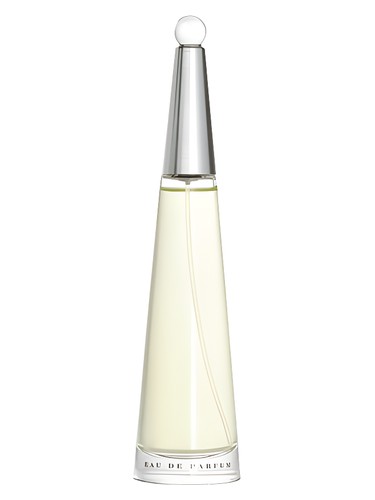
The first spray of L''eau d''Issey Eau de Parfum feels like stepping into a conservatory after morning rain—everything glistening, petals heavy with moisture, air thick with the sweet promise of flowers about to open. This isn''t the sharp, mineral aquatic of its famous predecessor; it''s softer, rounder, warmer. The lotus arrives first, watery and slightly green, while freesia adds a peppery-clean brightness. Then comes the distinctive oceanic hum of calone, that polarizing molecule that instantly transports you to the water''s edge. But here''s what makes this 2006 release distinctive: rose petals floating on that aquatic surface, adding an unexpected romantic dimension to what could have been purely fresh territory.
The opening moments walk a fascinating tightrope between spa-like tranquility and florist-shop indulgence. It''s unmistakably floral—the data confirms this as the dominant accord at full intensity—yet it maintains that signature Issey Miyake translucence, as if the flowers themselves were made of water.
The Scent Profile
As the initial aquatic rush settles, L''eau d''Issey Eau de Parfum reveals its heart: lily and osmanthus weaving together in a dance of white petals and subtle apricot warmth. The lily brings that classic white floral creaminess—imagine Easter lilies with their powdery stamens and thick, almost edible sweetness. Osmanthus, one of perfumery''s most underrated treasures, contributes delicate fruity-floral nuances with hints of suede and tea.
This heart phase is where the fragrance truly distinguishes itself. While the opening suggests pure freshness, the middle reveals surprising depth. The white floral accord (registering at 41% intensity) emerges fully here, creating a bridge between the ozonic freshness and something more traditionally feminine and embracing. There''s a soft spiciness threading through—not pepper or cinnamon, but that subtle warmth that certain flowers carry, particularly freesia and osmanthus.
The base notes arrive gradually, never announcing themselves dramatically. Ambrette (musk mallow) provides skin-like softness, that clean muskiness that feels intimate without being heavy. Virginia cedar and sandalwood add structure, a gentle woodiness that keeps the composition from floating away entirely. Don''t expect the bold, creamy sandalwood of vintage orientals; this is sandalwood in watercolor, sketched rather than painted. The woods here serve as anchors, letting you know there''s ground beneath all that water and air.
Throughout its development, the aquatic and ozonic qualities (36% and 29% respectively) maintain presence without dominating. This is crucial—they provide context, atmosphere, the sense of freshness and space, while the florals tell the actual story.
Character & Occasion
With community data showing 88% spring suitability and 84% summer, L''eau d''Issey Eau de Parfum has found its seasonal home in warmer weather. This makes perfect sense: it''s the fragrance equivalent of throwing open windows after a long winter, of garden parties and brunch reservations, of linen dresses and afternoon light.
The 100% day wear rating tells you everything about its personality. This isn''t a fragrance that craves attention or mystery; it''s made for sunlight, for being in motion, for feeling clean and pretty without trying too hard. Office-appropriate, date-lunch friendly, utterly safe for any professional environment—yet with enough character to feel like an actual choice rather than simply smelling "nice."
That said, the 24% night rating suggests some do reach for it after dark, likely for casual evening occasions where full glamour would feel overdone. Think summer concerts in the park, not gala dinners.
This is a fragrance for someone who wants to smell polished and feminine without announcing it loudly. It suits those drawn to lightness over intensity, suggestion over statement.
Community Verdict
With a solid 3.9 out of 5 stars across 1,763 votes, L''eau d''Issey Eau de Parfum has earned respectable appreciation without quite achieving cult status. This rating reflects a well-executed fragrance that delivers on its promises—fresh, floral, wearable—without breaking new ground or inspiring fierce devotion.
The substantial vote count indicates lasting relevance nearly two decades after its release. People continue to discover it, wear it, and feel compelled to share their opinions. That''s no small achievement in a market saturated with new launches.
How It Compares
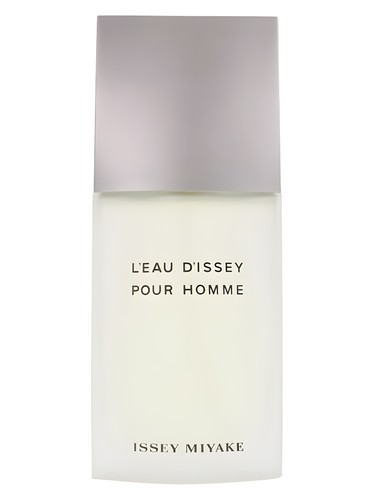
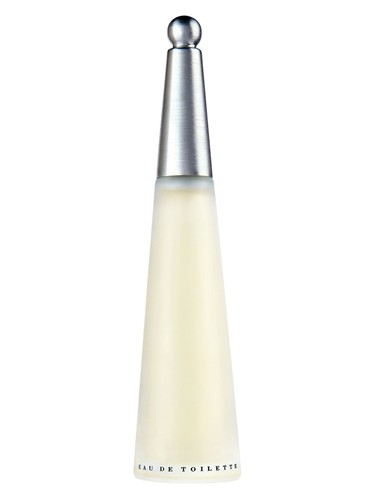
L''eau d''Issey Eau de Parfum exists in distinguished company. Its similarity to the original L''eau d''Issey is obvious—it''s a flanker that amplifies the floral aspects while maintaining the aquatic DNA. Alongside Versace''s Bright Crystal, Chloé Eau de Parfum, Dior''s J''adore, and Lancôme''s Miracle, it occupies that sweet spot of accessible luxury: recognizable, pretty, safe but not boring.
Where J''adore leans golden and opulent, and Chloé wraps you in powdery roses, L''eau d''Issey Eau de Parfum stays cooler, more transparent. It''s the most overtly aquatic of its peers, making it ideal for those who find traditional florals too heavy but still want petal power.
The Bottom Line
L''eau d''Issey Eau de Parfum is a graceful balancing act—enough floral beauty to feel romantic, enough freshness to stay modern and undemanding. Its 3.9 rating reflects exactly what it is: a very good fragrance that knows its lane and stays in it beautifully.
This isn''t a perfume that will change your life or redefine your signature. But if you need a spring and summer staytime companion that makes you feel clean, pretty, and appropriately dressed for daylight hours, it delivers with quiet confidence. The longevity is moderate, the sillage polite—expect to reapply, but that''s part of its gentle charm.
Try this if you love aquatic freshness but want more floral substance, if you''ve outgrown purely synthetic freshies but aren''t ready for heavy florals, or if you simply need something reliably lovely for warm-weather mornings. At nearly twenty years old, it remains relevant precisely because it never tried too hard to be revolutionary—just beautiful.
AI-generated editorial review