First Impressions
The first spray of Creed Himalaya delivers exactly what its name promises: altitude. There''s an immediate burst of crystalline brightness—Calabrian bergamot, grapefruit, and Sicilian lemon converging into something that feels less like a typical citrus opening and more like breathing cold, thin air at elevation. This isn''t the sun-warmed citrus of Mediterranean groves; it''s sharper, cleaner, almost icy. Within moments, you understand why this 2002 release has earned its reputation as the "cool" Creed, a fragrance that evokes snow-capped peaks and pristine mountain streams rather than the assertive masculinity of its more famous siblings.
The Scent Profile
Himalaya''s composition is deceptively straightforward, built on a foundation of citrus that dominates completely—registering at 100% in its accord profile. That triumvirate of bergamot, grapefruit, and lemon doesn''t merely introduce the fragrance; it persists throughout the wear, maintaining its bright, effervescent character even as other elements emerge.
The transition to the heart reveals sandalwood, a choice that proves both elegant and strategic. Rather than competing with the citrus, the sandalwood adds a creamy, slightly powdery dimension that softens those sharp opening edges. This powdery quality—measured at 59% in the overall accord—gives Himalaya its distinctively clean, almost soapy character that divides opinion. The woody accord, at 78%, provides backbone without heaviness, maintaining that sense of airiness even as the fragrance settles.
The base brings musk, ambergris, and cedar into play, creating a foundation that''s subtle to the point of whisper-quiet. The musk registers at 52% in the accord profile, contributing to that clean, skin-like quality, while the amber (38%) adds just enough warmth to prevent the composition from feeling sterile. Cedar provides the final woody anchor, though it''s more suggestion than statement—a ghostly presence that hints at forest without ever becoming overtly woodsy.
What emerges is a fragrance that prioritizes freshness and wearability over complexity. The evolution from top to base isn''t so much a dramatic transformation as a gradual softening, like watching morning frost slowly yield to daylight.
Character & Occasion
The data tells a clear story: Himalaya is a daytime fragrance, registering at 100% for day wear versus just 38% for evening use. This is the scent of productivity and movement, not seduction or drama. Spring claims it at 98%, summer at 87%—those warm-weather seasons where its cooling properties become an asset. Even fall manages 66%, though winter, at just 35%, seems to recognize that Himalaya''s thin, clean character lacks the insulation needed for cold weather.
Despite its masculine classification, community feedback reveals it works remarkably well as a unisex option, particularly for those seeking a fresh, inoffensive presence. The office emerges as ideal territory—professional, pleasant, unlikely to trigger complaints or headaches. The gym gets mentioned too, that clean, soapy quality making it appropriate for active contexts where heavier fragrances would feel oppressive.
There''s a catch, though: Himalaya demands intimacy. This isn''t a fragrance that announces your arrival or lingers in your wake. It''s personal, meant for close quarters where someone might lean in and catch that cool, clean aura against your skin. Above 85°F, when many fragrances become cloying, Himalaya finds its sweet spot, maintaining composure when others would wilt.
Community Verdict
The Reddit fragrance community delivers a mixed verdict, scoring Himalaya at 6.8 out of 10 across 32 opinions—neither beloved nor dismissed. The praise centers on its unique aesthetic: that icy, mountainous quality that genuinely sets it apart in the Creed lineup. Many consider it underappreciated, a hidden gem overshadowed by more aggressive offerings like Aventus. Its versatility earns consistent appreciation, as does its universal appeal—a scent that most people find pleasant and inoffensive.
But the criticisms cut deep. Performance issues dominate complaints, with longevity and projection falling significantly below expectations for the Creed house. Users report needing heavy application just to maintain a subtle presence, and even then, projection remains minimal. The clean, soapy profile that some find refreshing strikes others as generic and lacking complexity. Most damning: the value proposition. At Creed pricing, Himalaya faces tough competition from fragrances like Rabanne XS that deliver similar profiles at a fraction of the cost.
The consensus? Himalaya succeeds as a personal scent for those who appreciate its specific aesthetic, but fails to justify its premium positioning through performance or distinctiveness.
How It Compares
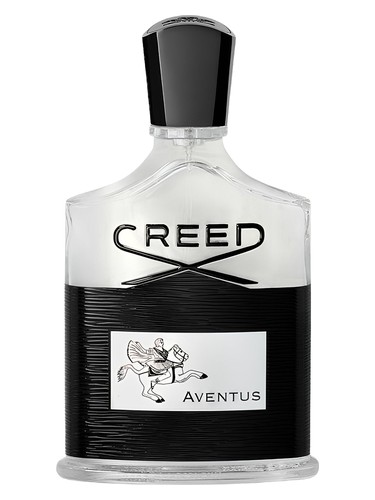
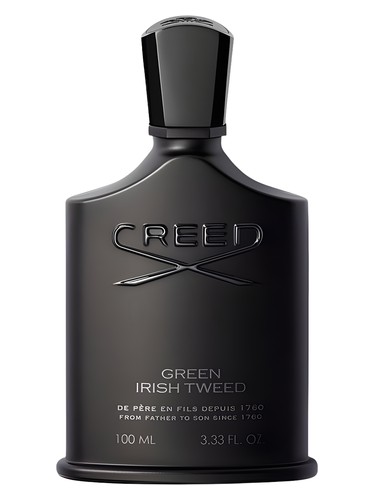
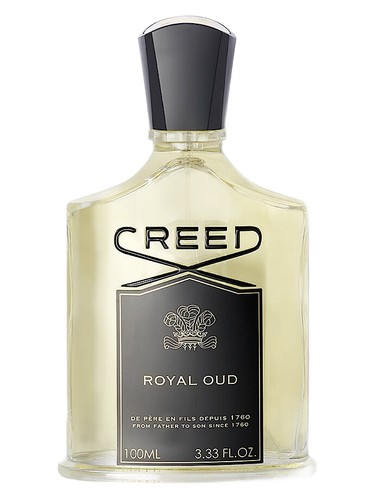
Positioned alongside Original Vetiver by Creed, Bleu de Chanel, Royal Oud, and Terre d''Hermès, Himalaya occupies interesting territory. It''s cleaner and simpler than Terre d''Hermès'' mineral complexity, less versatile than Bleu de Chanel''s crowd-pleasing sophistication. Against its Creed siblings, it''s the gentle, understated option—pleasant but not commanding. Where Aventus demands attention and Green Irish Tweed projects confidence, Himalaya simply refreshes. It''s the palate cleanser in a lineup of statement fragrances.
The Bottom Line
With a rating of 4.06 out of 5 from 3,010 votes, Himalaya earns respectable marks without inspiring passion. It delivers on its atmospheric promise—that cool, crystalline mountain air aesthetic is genuine and well-executed. For hot weather, office environments, or moments when you want to smell clean without making a statement, it succeeds admirably.
But let''s be honest about the elephant in the room: the performance doesn''t match the price tag. Unless you''re deeply invested in that specific icy aesthetic or you''re a Creed completist, there are more sensible ways to achieve fresh, clean masculinity. If you can sample it first, do. If it speaks to you despite its limitations, you''ll find a pleasant companion for warm days and personal spaces. Just don''t expect it to climb as high as its name suggests.
AI-generated editorial review