First Impressions
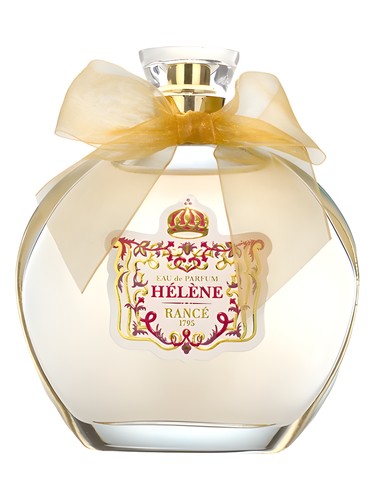
The first spray of Helene reveals Rance 1795''s mastery of classical perfumery—a house that''s been crafting fragrances since Napoleon''s era knows a thing or two about timeless elegance. The opening arrives as a warm, spiced embrace: neroli''s bitter-sweet citrus immediately softened by the creamy, almost narcotic ylang-ylang, while cardamom and cinnamon add an unexpected oriental warmth. This isn''t the sharp, attention-grabbing entrance of modern fruity florals. Instead, Helene introduces herself like a woman who knows she doesn''t need to shout to be noticed. There''s an old-world sophistication here, a sense that this fragrance understands patience as a virtue.
The Scent Profile
Helene''s evolution follows a classical pyramid structure, each stage flowing seamlessly into the next. Those opening moments of neroli and ylang-ylang, dusted with warm spices, create an intriguing duality—simultaneously fresh and comforting. The cardamom and cinnamon never dominate; they''re more like a cashmere wrap draped over the white florals, adding depth and intrigue without overwhelming the composition''s inherent femininity.
As the fragrance settles into its heart, the true nature of Helene emerges. Orange blossom joins forces with its neroli cousin, creating a radiant floral core that''s both luminous and soft. Jasmine sambac—the most indolic, sensual variety of jasmine—adds a creamy richness, while rose provides a traditional floral anchor. But it''s the unexpected presence of tonka bean in the heart that hints at where this fragrance is heading: into powder territory.
The base notes transform Helene into something altogether more enveloping. Heliotrope, that often-overlooked note with its almondy, vanilla-like character, takes center stage alongside iris, creating the pronounced powdery effect that defines this fragrance. Sandalwood and musk provide a woody, skin-like warmth, while benzoin adds a resinous sweetness that keeps the powder from feeling too vintage or makeup-counter. This base is where Helene truly distinguishes itself—it''s unabashedly powdery, reaching maximum intensity on that accord, yet the supporting cast of white florals and warm spices keeps it from feeling dated.
Character & Occasion
Helene is decisively a transitional season fragrance, performing best when there''s a slight chill in the air. The community data confirms this intuition: spring and fall are where this perfume truly shines, each scoring 77% and 75% respectively. The warm spices and powdery base would feel suffocating in summer''s heat (39% seasonal appropriateness), while the bright florals might get lost in winter''s depths (42%).
This is overwhelmingly a daytime fragrance—the numbers don''t lie at 100% day versus just 30% night. Helene lacks the bombastic presence or seductive intensity typically associated with evening wear. Instead, picture it at a spring luncheon, during a fall shopping excursion, or at the office on a crisp autumn morning. It''s refined without being stuffy, feminine without being girlish.
The woman who wears Helene appreciates classic beauty but isn''t interested in smelling like everyone else. She''s likely comfortable with vintage-inspired aesthetics—perhaps she owns a silk scarf collection or appreciates mid-century design. This isn''t a fragrance for someone seeking compliments from strangers; it''s for someone who wants to feel elegantly composed, wrapped in a scent that whispers rather than announces.
Community Verdict
With a solid 3.95 out of 5 stars from 350 votes, Helene occupies that interesting sweet spot: well-loved by those who''ve tried it, yet not quite reaching cult status. This rating suggests a fragrance that delivers on its promises without necessarily exceeding expectations. The relatively robust number of reviews indicates genuine interest beyond just brand loyalists, while the near-4-star rating confirms that most who try it find it worthwhile.
The high marks for the powdery and white floral accords (100% and 94% respectively) tell us that Helene succeeds brilliantly at what it sets out to do. Those seeking exactly this profile will likely rate it even higher, while the less-than-perfect overall score suggests it may not convert skeptics of this genre.
How It Compares
Rance 1795 has positioned Helene in prestigious company. The comparisons to Guerlain''s Samsara, Chanel''s Coco and Coco Noir, and Dior''s Dolce Vita and Dune place it firmly in the "sophisticated oriental floral" category—fragrances that share a commitment to quality ingredients and classical structure.
Where Helene distinguishes itself is in its pronounced powdery character. It leans more heavily into that accord than most of its counterparts, making it perhaps closest to the original Coco in spirit. However, it''s lighter than Samsara''s heavy sandalwood and less ambery than Coco Noir. Think of it as occupying the space between Dune''s oceanic softness and Dolce Vita''s spiced richness—firmly floral but with enough warmth to keep it grounded.
The Bottom Line
Helene deserves attention from anyone who mourns the loss of unapologetically powdery fragrances in mainstream perfumery. Rance 1795 has crafted something that respects traditional perfume construction while maintaining enough freshness in the opening to feel relevant. The 3.95 rating feels fair—this is a very good fragrance that knows its audience but won''t necessarily win over powder-phobes or those seeking groundbreaking innovation.
For the investment, you''re getting a well-constructed scent from a heritage house with genuine perfume-making credentials. It''s not a safe blind buy unless you already know you love powdery white florals, but it''s absolutely worth sampling if you find yourself drawn to any of its more famous cousins. Helene makes the case that classical femininity in fragrance isn''t outdated—it''s simply waiting for the right wearer to appreciate it.
AI-generated editorial review