First Impressions
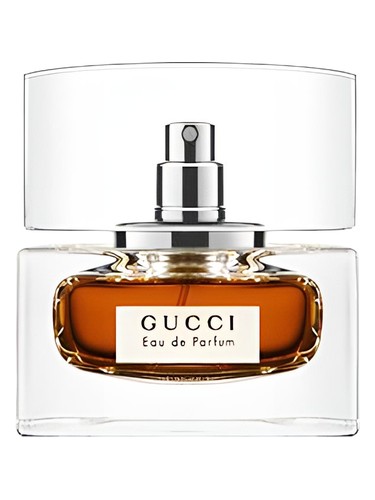
The first spray of Gucci Eau de Parfum tells you immediately that this is not a fragrance designed to make friends. A thick cloud of heliotrope and orange blossom emerges, but not in the sunny, welcoming way you might expect. Instead, there''s an almost medicinal quality to the opening—a powdery density that sits heavily on the skin like vintage face powder discovered in a grandmother''s vanity. The orange blossom feels muffled, buried under layers of almond-like heliotrope that dominates with an intensity bordering on aggressive. This is the scent equivalent of a fashion statement that prioritizes artistic vision over wearability, and within seconds, you understand why this 2002 release has become one of the house''s most contentious creations.
The Scent Profile
The architecture of this fragrance is undeniably complex, even if the execution proves problematic for many wearers. That heliotrope-orange blossom pairing creates a foundation that reads as 100% powdery—a dominant accord that never truly recedes throughout the fragrance''s evolution. It''s reminiscent of vintage cosmetics, but with an almost suffocating thickness that modern noses often find challenging.
As the scent settles into its heart, caraway introduces an unexpected herbal-spicy dimension that clashes intriguingly (or jarringly, depending on your perspective) with the powder. Iris amplifies the dusty, retro quality while thyme adds an aromatic green note that feels oddly medicinal against the sweet foundation. This middle phase represents the fragrance at its most unusual—neither traditionally floral nor conventionally spicy, but occupying some strange territory that defies easy categorization. The combination accounts for the 55% aromatic and 53% fresh spicy accords that layer beneath that overwhelming powder.
The base is where things become genuinely interesting, if you''ve managed to stay with it this long. Leather and incense emerge as the primary players, creating a smoky (51% accord) depth that adds gravitas to the composition. Vanilla, sandalwood, musk, and cedar essence round out the foundation, contributing to the 67% vanilla and 60% woody accords that soften the leather''s edge. There''s a vintage luxe quality here—like the interior of an old Italian leather goods boutique, all burnished wood cases and time-worn craftsmanship. It''s the base that likely inspired this fragrance''s creation in the first place, even if the journey to reach it proves too difficult for most.
Character & Occasion
The data suggests this fragrance works across all seasons, which speaks more to its self-contained nature than its adaptability. This isn''t a scent that responds to temperature or environment—it simply exists in its own powdery, smoky universe regardless of external conditions. Interestingly, there''s no particular skew toward day or night wear in the usage data, which likely reflects the reality that most bottles sit unused rather than any genuine versatility.
Who is this for? The honest answer is: almost no one in contemporary fragrance culture. The profile suggests it was aimed at women who appreciated the grand, unapologetic compositions of decades past—those who wore Shalimar or Coco without concern for subtlety or mass appeal. But even among vintage fragrance devotees, this one struggles to find champions. It''s perhaps best suited for collectors interested in documenting Gucci''s olfactory history, or for those rare individuals who find beauty in polarizing, challenging compositions that most people actively dislike.
Community Verdict
The disconnect between the official rating of 4.28 out of 5 and the Reddit community sentiment is striking and telling. While 2,774 voters on the main platform gave it respectable marks, the r/fragrance community paints a far bleaker picture with a sentiment score of just 3.5 out of 10. Based on 26 opinions, the consensus is decisively negative.
One particularly revealing community comment explicitly stated regret about owning this fragrance due to actively disliking the scent profile. This isn''t the typical "not for me" dismissal—it''s genuine disappointment from someone who presumably sought it out. The community acknowledges the unique vintage composition and complex note profile featuring leather and incense, but these technical merits don''t translate into actual wearing pleasure.
The practical concerns are equally damning: poor longevity and projection mean even those who might appreciate the scent can''t justify wearing something so challenging when it barely lasts. The fragrance''s discontinued status makes it difficult to find, though given the community response, this scarcity hasn''t created the usual collector frenzy. Instead, it''s primarily sought for sentimental reasons or as an academic exercise in niche fragrance exploration—purchased to understand what Gucci was attempting, not because anyone genuinely wants to wear it.
How It Compares
The listed similar fragrances read like a greatest hits of feminine perfumery: Guerlain''s Shalimar and Samsara, Chanel''s Coco, Dior''s Dolce Vita. These are legendary compositions that successfully balanced complexity with wearability, vintage sensibility with timeless appeal. Gucci Eau de Parfum shares their ambition and their powdery-woody-vanilla DNA, but lacks their execution. Where Shalimar achieves transcendent beauty through its vanilla-incense interplay, Gucci feels muddled. Where Coco creates intoxicating warmth, Gucci offers medicinal powder. It''s the fragrance equivalent of a designer who understood the assignment but couldn''t quite deliver on the vision.
The Bottom Line
Gucci Eau de Parfum exists in a peculiar space: technically well-rated at 4.28 out of 5, yet actively disliked by those who engage most deeply with fragrance. This suggests that many of those positive ratings came from casual voters or from people rating it years ago when standards and preferences differed. The more informed contemporary community has spoken clearly: this is not a hidden gem waiting to be rediscovered.
Should you seek it out? Only if you''re a completist collector documenting Gucci''s fragrance legacy, or if you''re genuinely curious about polarizing compositions. Don''t purchase this for sentimental gifting unless you''re certain the recipient has specific nostalgia for this exact scent. And definitely don''t buy it expecting a wearable fragrance—the poor performance and challenging character make it a difficult proposition even on paper.
This is a fragrance that serves as a reminder that luxury houses don''t always get it right, and that complexity doesn''t automatically equal quality. Sometimes, a perfume is simply a beautiful idea that fails in execution.
AI-generated editorial review