First Impressions
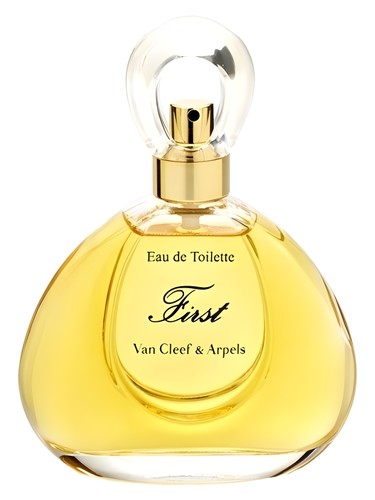
The first spray of Van Cleef & Arpels'' debut fragrance feels like stepping into a couturier''s atelier on a rainy Parisian morning—sophisticated, slightly cool, unmistakably expensive. There''s an immediate effervescence, that unmistakable aldehydic sparkle that defined an era of perfumery, lifting a cocktail of fruits into something far more abstract than their individual parts. Peach, raspberry, and black currant don''t announce themselves as sweet treats but rather as facets in a kaleidoscope, prismatic and complex. Bergamot and mandarin orange add citric brightness while the aldehydes transform everything into something almost metallic, like champagne flutes clinking before a gala.
This is the scent of a woman who wears jewelry as punctuation, not decoration.
The Scent Profile
The opening act is deceptively lively—aldehydes create that signature soapy-clean shimmer, reminiscent of the great classics of the mid-20th century, while the fruit notes provide unexpected warmth. But don''t be fooled by the initial brightness; this perfume has ambitions far beyond simple freshness.
As the top notes settle, the heart reveals itself as nothing short of a floral symphony. We''re talking about a proper white floral arrangement here: narcissus, hyacinth, jasmine, lily-of-the-valley, carnation, ylang-ylang, orris root, tuberose, Turkish rose, and orchid. On paper, it sounds overwhelming—ten distinct florals competing for attention. In practice, it''s masterfully balanced, with the green bite of hyacinth and the powdery sophistication of orris root preventing the composition from becoming cloying. The carnation adds a spicy, almost peppery edge, while tuberose and jasmine provide that creamy, indolic richness that separates amateur florals from the professional league.
The base is where things get serious. Civet—yes, actual animalic civet—adds a musky, almost feral undertone that grounds all that floral opulence in something undeniably human. Oakmoss brings classic chypre structure, though this isn''t a true chypre so much as a floral with chypre sensibilities. Honey and amber create golden warmth, while sandalwood, vetiver, tonka bean, vanilla, and musk weave together into a skin-close finale that can last hours. This is a perfume built for endurance, constructed with the kind of material quality and concentration that characterized luxury perfumery before accountants discovered the fragrance industry.
Character & Occasion
The community data tells a clear story: this is a fall perfume first and foremost (94% seasonal appropriateness), with strong showings in spring (85%) and winter (84%). Summer? Not so much (35%), and honestly, that makes perfect sense. This is a substantial fragrance, built with enough heft and complexity to stand up to cooler weather and heavier fabrics. It wants to interact with wool, cashmere, silk—not sundresses and sunscreen.
Interestingly, while it performs as a daytime scent (100%), it transitions beautifully into evening (85%). That versatility speaks to its fundamental sophistication. You could wear this to a business meeting, an afternoon gallery opening, or dinner at a restaurant where they don''t list prices on the menu. It adapts.
Who is this for? The data suggests a feminine fragrance, but let''s be more specific: this is for someone who appreciates the language of classic perfumery, who doesn''t need their fragrance to announce itself from across a room but rather wants something that rewards close attention. It''s for the person who sees Chanel No 5 not as old-fashioned but as timeless, who understands that trends are cyclical but quality is permanent.
Community Verdict
With a solid 3.99 out of 5 rating from 3,499 votes, this fragrance has earned genuine respect from the community. That''s not a score inflated by hype or nostalgia—it''s the mark of a well-crafted perfume that delivers on its promises. The near-four-star rating suggests consistent quality and broad appeal among those who appreciate this style of fragrance, while still acknowledging that it won''t be everyone''s cup of tea. And that''s precisely as it should be.
How It Compares
Van Cleef & Arpels entered the perfume market in 1976 with confidence, positioning themselves alongside giants. The similarity to Chanel No 5 Parfum is undeniable—both speak that aldehydic-floral language fluently. But where No 5 is abstract and almost conceptual, First is more explicitly floral, more overtly romantic. Estée Lauder''s Knowing shares that green-forward, sophisticated femininity, while Lanvin''s Arpège offers comparable complexity. Magie Noire and Paloma Picasso are darker cousins, but they occupy the same family tree of unapologetically complex, grown-up florals.
In this distinguished company, First holds its own by offering perhaps the greenest interpretation of the aldehydic floral theme, with that 77% green accord adding a contemporary edge to an otherwise classic structure.
The Bottom Line
First Van Cleef & Arpels stands as a testament to what happens when a heritage luxury brand approaches perfumery with serious intent. This isn''t a celebrity cash-grab or a flanker milking an established name—it''s a proper composition that respects both its wearer''s intelligence and the craft''s traditions.
Is it challenging? Somewhat. The aldehydic opening and animalic base won''t appeal to those raised on fruit loops and sugar. But for anyone looking to understand what sophisticated, adult perfumery meant in the late 1970s—or for those seeking an alternative to the ubiquitous sweet gourmands and fresh aquatics—this is essential wearing. At its rating level, it represents genuine quality without commanding the astronomical prices of some classics.
Try this if you''ve ever wondered what jewelry would smell like if it could bloom.
AI-generated editorial review