First Impressions
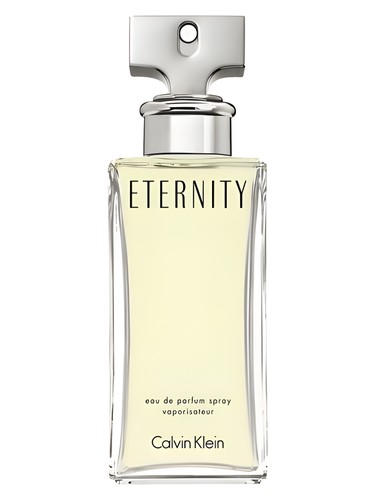
The first spray of Eternity delivers an unapologetic green assault—a verdant wave that announces itself before the floral heart even has a chance to whisper hello. This isn''t the dewdrop-on-petals freshness of modern green florals; it''s a full-bodied, herbal-tinged greenness that transports you directly to 1988, when Calvin Klein bottled what they believed would be an eternal ode to romance. Sage and freesia lead the charge, flanked by a citrus brightness that feels almost incidental next to those dominant green notes. There''s an aromatic quality here that reads almost masculine in its opening moments—a boldness that either captivates or overwhelms, depending on where you stand in fragrance history.
The Scent Profile
Eternity''s composition unfolds in three distinct acts, though the green character threads through each movement like a persistent melody. The opening brings together green notes, freesia, sage, citruses, and mandarin orange in what should be a bright, sparkling introduction. Instead, the sage and green notes dominate, lending an herbal, almost medicinal quality that modern noses often find challenging. The citrus elements provide some lift, but they''re supporting players in a decidedly verdant drama.
The heart is where Eternity reveals its true ambition: a sprawling white floral bouquet featuring carnation, lily, lily-of-the-valley, narcissus, marigold, violet, rose, and jasmine. It''s an embarrassment of floral riches, the kind of generous composition that defined feminine luxury in the late ''80s. The lily-of-the-valley and narcissus bring crisp, green-tinged whiteness, while jasmine and rose add depth and romance. Yet even here, the green notes persist, giving the florals an edge that prevents them from floating into powdery sweetness too quickly.
The base finally offers some warmth and grounding: musk, heliotrope, sandalwood, amber, and patchouli create a foundation that''s both powdery and gently spicy. The heliotrope adds a subtle vanilla-like sweetness, while sandalwood and amber provide creamy warmth. It''s in this final stage that Eternity softens into something genuinely pretty, though you have to commit to the journey to get there.
Character & Occasion
The data tells a clear story: Eternity is a spring fragrance first and foremost (89% seasonal affinity), with summer following at 62%. This is a daytime scent through and through—100% day-appropriate versus just 36% for evening wear. The combination of fresh green notes and white florals makes perfect sense for garden parties, office environments, and casual daytime activities during warmer months.
That said, Eternity demands a certain confidence from its wearer. The projection can be substantial, particularly in the EDP concentration, and the green aromatic opening isn''t for shrinking violets. This is a fragrance that announces your presence, which may explain why it skews toward an older demographic who remember when perfumes were meant to be noticed. Younger wearers seeking the whisper-soft, skin-scent aesthetic of contemporary fragrances may find Eternity''s voice too loud for their comfort.
The warm spicy (48%) and powdery (42%) accords suggest it can transition into cooler months for those who love it, though its heart remains firmly planted in spring''s first green shoots and summer''s full floral bloom.
Community Verdict
The fragrance community''s assessment of Eternity reveals a fascinating generational and formulation divide, with an overall sentiment score of 6.5/10 based on 32 opinions. The split centers largely on concentration: the EDT version garners praise for being more youthful, wearable, and lighter in projection, while the EDP faces harsh criticism for overwhelming green and herbal notes that many describe as dated, medicinal, or even masculine.
The pros are notable: Eternity genuinely earns compliments, with multiple wearers reporting positive reactions from others even when they themselves feel ambivalent about the scent. As a 1988 release with staying power in the market, it has undeniable classic status.
The cons, however, are substantial. The green notes that define Eternity''s character are precisely what alienates modern wearers, who describe them as old-fashioned and unsuitable for younger demographics. The EDP''s heavy projection proves problematic in contemporary contexts where discretion is valued. There''s a recurring theme in the community feedback: respect for Eternity''s heritage, but resistance to actually wearing it in 2024.
The bottom line from real wearers? If you''re drawn to traditional perfumery or remember the late ''80s fondly, Eternity might resonate. If you came of age in the era of clean musks and sheer florals, approach with caution—preferably sampling the EDT first.
How It Compares
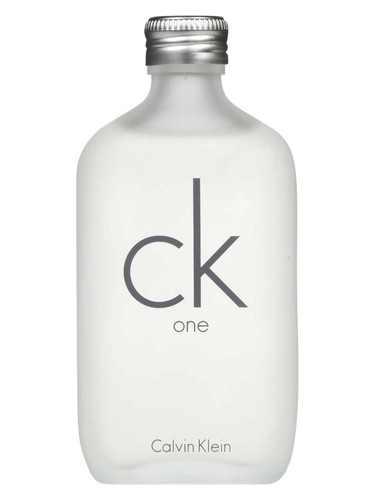
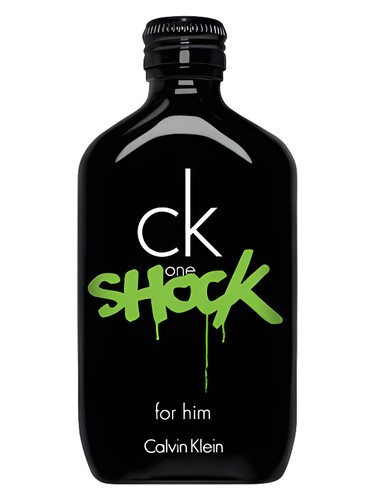
Eternity sits in illustrious company among its similar fragrances: J''adore by Dior, CK One by Calvin Klein, Coco Eau de Parfum by Chanel, Miracle by Lancôme, and Chloé Eau de Parfum. What''s telling is how these comparisons highlight Eternity''s unique position—it shares DNA with both fresh florals like Miracle and Chloé, but also with the more assertive, classical compositions like Coco. It''s also worth noting its kinship with CK One, Calvin Klein''s other iconic ''90s release, though Eternity leans decidedly more feminine and floral where CK One goes unisex and citric.
In its category of white florals with prominent green notes, Eternity remains a touchstone—perhaps more referenced than worn these days, but historically significant nonetheless.
The Bottom Line
With a rating of 3.64 out of 5 based on 8,971 votes, Eternity occupies solid middle ground in the perfume pantheon. It''s neither universally beloved nor dismissed, which seems entirely appropriate for a fragrance that so clearly divides opinion along generational and stylistic lines.
The value proposition depends entirely on your relationship with vintage perfumery. For those who appreciate or long for the bold, unapologetic florals of the 1980s, Eternity offers that experience at accessible Calvin Klein pricing. The EDT concentration particularly deserves consideration from curious newcomers wanting a softer introduction to this green floral archetype.
Who should try it? Lovers of classic perfumery, those seeking genuine vintage character without hunting down discontinued bottles, and anyone curious about what feminine luxury smelled like before everything went minimalist. Who should skip it? Anyone allergic to prominent green notes, those preferring subtle sillage, and fragrance lovers firmly planted in contemporary tastes.
Eternity may not live up to its ambitious name—few things do—but it remains a fascinating snapshot of an era when fragrances weren''t afraid to make a statement, green and loud and uncompromising.
AI-generated editorial review