First Impressions
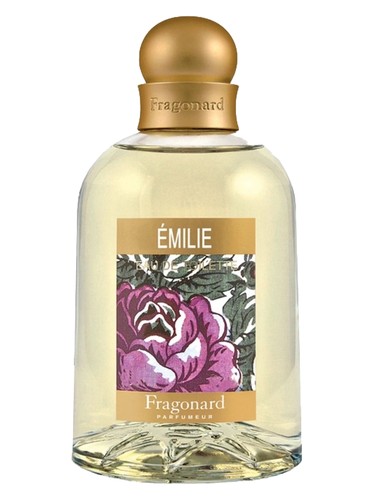
Emilie arrives with the kind of gentle confidence that doesn''t announce itself with a trumpet fanfare. This is a fragrance that reveals itself in whispers rather than shouts—a cloud of white florals rendered soft and approachable through a distinctly powdery lens. From the first spray, there''s an unmistakable vintage sensibility here, the kind that conjures images of pressed flowers in leather-bound journals and silk scarves tucked into vanity drawers. The white floral accord dominates completely, but it''s been tempered with something tender—rose petals that have been dusted with violet powder, creating an impression that feels both romantic and remarkably wearable.
The Scent Profile
Without specified top, heart, and base notes to guide us, Emilie reveals its architecture through the interplay of its dominant accords. The white floral presence stands at full strength, creating a luminous foundation that permeates every stage of this fragrance''s evolution. But this isn''t the heady, intoxicating white floral of tropical nights—instead, it''s refined and softened by an 89% rose accord that brings familiarity and warmth to the composition.
What makes Emilie particularly distinctive is the nearly equal presence of powdery and violet accords, registering at 88% and 86% respectively. These elements work in tandem to create that characteristic soft-focus effect, as though the entire fragrance has been viewed through gauze. The violet doesn''t present as sharply green or candy-sweet; rather, it contributes to the overall impression of vintage elegance, that specifically mid-century aesthetic when perfumes were meant to evoke refinement above all else.
The floral accord at 65% suggests there are other blooms playing supporting roles, though they remain deliberately subtle, never challenging the white floral and rose for center stage. Most intriguing is the 58% woody accord that emerges as the fragrance settles—not aggressive woods or smoky cedar, but rather the gentle structure that keeps all that softness from floating away entirely. This is the scaffolding that gives Emilie its lasting power and prevents it from becoming purely cosmetic in character.
Character & Occasion
The data tells a clear story about Emilie''s natural habitat: this is a spring perfume first and foremost, with an overwhelming 94% seasonal alignment. It makes perfect sense—this is a fragrance that mirrors the delicate beauty of cherry blossoms and early roses, that complements rather than competes with the season''s gentle warmth. Fall claims a respectable 65%, suggesting Emilie can transition into cooler weather, perhaps when you''re reaching for cashmere rather than linen, but still want something softer than the typical autumn heavyweights.
The day versus night breakdown is even more definitive: 100% day, dropping to just 32% for evening wear. Emilie is unabashedly a daylight fragrance, designed for morning meetings, lunch dates, afternoon walks through botanical gardens, and all those moments when you want to smell polished but approachable. This isn''t a perfume that will hold its own in a crowded nightclub or formal evening affair—and it doesn''t pretend to be.
This is a fragrance for women who appreciate the beauty in restraint, who understand that "noticeable" and "overpowering" are not synonyms. It suits professional environments beautifully, makes an excellent signature scent for those who interact closely with others, and works wonderfully for anyone who finds most modern florals too loud or synthetic.
Community Verdict
With 489 community votes landing at a solid 3.85 out of 5, Emilie occupies that interesting middle ground—well-regarded but not universally adored. This rating suggests a fragrance that does exactly what it sets out to do, serving its intended audience well without necessarily converting skeptics or pushing boundaries. Nearly 500 reviews indicate genuine interest and continued wear, while the score just shy of 4.0 hints that some find it perhaps too safe, too subtle, or too vintage-leaning for contemporary tastes.
This is worth exploring if you''re drawn to the accord profile—that combination of white florals, rose, and powder clearly resonates with those who seek it out. The rating reflects competence and quality without claiming revolutionary status.
How It Compares
The similar fragrances list reads like a who''s who of sophisticated florals: Chanel No 5 Parfum, J''adore, Samsara, and Organza all share DNA with Emilie. This context is crucial—Emilie positions itself among iconic, often expensive compositions, yet comes from Fragonard, a house known for quality at accessible price points.
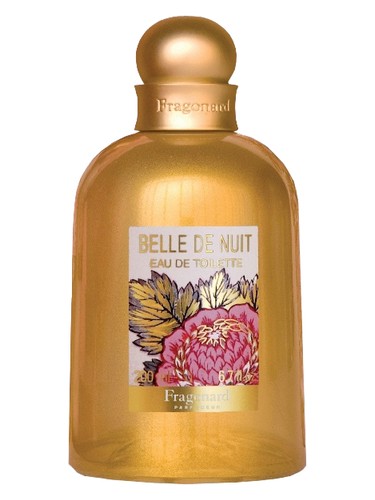
Where Chanel No 5 leans more aldehydic and complex, and J''adore goes brighter and more magnolia-forward, Emilie stays in that softer, more powdered territory. The Samsara comparison is particularly apt, suggesting similar sandalwood-jasmine warmth rendered in a more understated register. Fragonard''s own Belle de Nuit appearing on this list suggests Emilie might be its more daylight-appropriate sister.
The Bottom Line
Emilie isn''t trying to be your showstopper fragrance, and that''s precisely its strength. At 3.85 out of 5, it delivers a reliably beautiful experience for those who love powdery white florals with rose and violet undertones. The spring alignment is undeniable, making this an excellent seasonal signature, while the daytime designation means you''ll get consistent, appropriate wear from it in the situations where most of us actually need fragrance.
If you''re drawn to vintage-inspired femininity, if you find yourself reaching for Chanel No 5 but sometimes wish it were softer, or if you simply want a polished floral that won''t precede you into every room, Emilie deserves your attention. It''s a fragrance that understands the value of discretion—and in a market saturated with aggressive projection, that restraint feels almost radical.
AI-generated editorial review