First Impressions
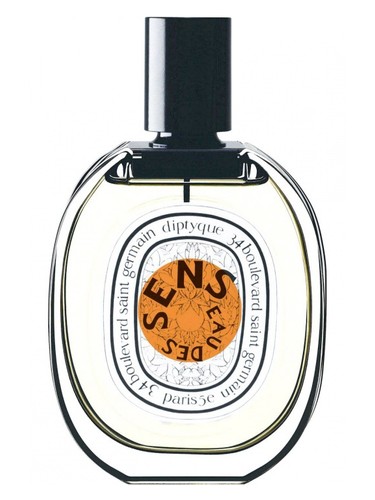
The first spray of Eau des Sens feels like stepping into a sunlit orangerie where the air shimmers with possibility. There''s an immediate brightness—the kind that makes you squint slightly before your eyes adjust—as bitter orange and orange blossom collide in a burst of Mediterranean radiance. But this isn''t the saccharine sweetness of commercial citrus fragrances. Instead, Diptyque has crafted something more nuanced: the tartness of bigarade, the creamy indolic whisper of white petals, and a curious aromatic edge that hints at complexity beneath the sunshine. It''s a fragrance that announces itself clearly but never shouts, a quality that''s become something of a Diptyque signature.
The Scent Profile
The opening movement belongs entirely to the orange—both the flower and the fruit in its most astringent form. Bitter orange leads with confidence, its zesty, slightly harsh character softened by the powdery embrace of orange blossom. This dual expression of the same botanical family creates an interesting tension: one speaks of juice-stained fingers and peel oils, the other of bridal bouquets and heady summer nights. Together, they form a citrus accord so dominant that it scores a perfect 100% in its category—and you can tell immediately why.
As the fragrance settles, juniper berries emerge at the heart, bringing an unexpected aromatic twist to the composition. This is where Eau des Sens reveals its cleverness. Rather than following the predictable path toward heavy florals or vanilla, the juniper adds a gin-like botanical quality—crisp, slightly piney, with a green freshness that keeps the orange blossom from becoming too opulent. It''s an unconventional choice that gives the fragrance its distinctive personality, explaining that 32% aromatic accord rating and lifting this above simple citrus territory.
The base introduces angelica and patchouli, though these notes play supporting roles rather than commanding performances. Angelica contributes an earthy, root-like quality with hints of celery seed and musk—that 36% musky accord manifesting as skin-like warmth rather than animalic intensity. The patchouli, meanwhile, is restrained and woody (34% woody accord), providing just enough grounding to prevent the fragrance from floating away entirely. This isn''t patchouli as a statement; it''s patchouli as architecture, creating subtle structure beneath the more expressive top notes.
What''s most remarkable about the evolution is how the citrus refuses to fade completely. Even hours into wear, that bitter orange maintains a presence, weaving through the other elements like a persistent ray of sunlight.
Character & Occasion
With a 97% day rating versus just 17% for night, Eau des Sens makes its intentions abundantly clear: this is a fragrance for daylight hours. The data reveals a strong summer preference (100%) with spring following closely at 96%, while fall (33%) and winter (17%) trail significantly behind. This isn''t a fragrance that wants to be worn under coats or in dimly lit restaurants—it craves vitamin D and open air.
Picture it at a seaside lunch where white linen meets weathered wood, at a morning market where citrus pyramids glisten in the sun, or during a garden party where the dress code is "effortlessly elegant." It''s the olfactory equivalent of natural fiber clothing and minimal jewelry—refined but never fussy.
While marketed as feminine, the composition''s aromatic and woody elements give it enough versatility to transcend strict gender boundaries. The 80% white floral accord provides traditional femininity, yes, but the juniper and bitter orange offer an androgynous edge that makes it equally compelling on anyone who appreciates clean, sophisticated citrus compositions.
Community Verdict
With a rating of 3.96 out of 5 based on 2,922 votes, Eau des Sens sits comfortably in "very good" territory. This is a solid score that suggests broad appreciation without quite reaching cult status. The substantial vote count indicates this isn''t a niche obscurity—people are discovering it, wearing it, and forming opinions. That it maintains a rating just shy of 4.0 with nearly 3,000 evaluations speaks to consistent quality and appeal, though perhaps also to some limitations in its universal wearability (that strong seasonal and time-of-day specificity likely factors into why some find it less versatile than they''d hoped).
How It Compares
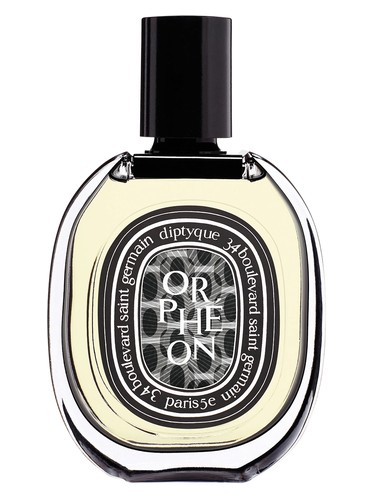
The similar fragrances list reads like a who''s-who of sophisticated, naturalistic compositions: Byredo''s Gypsy Water, Hermès Un Jardin Sur Le Nil, Frederic Malle''s Carnal Flower, and fellow Diptyque offerings Do Son and Orphéon. What these share is a commitment to quality materials and a certain French aesthetic—restrained elegance over bombastic projection.
Where Gypsy Water leans woody-citrus and Un Jardin Sur Le Nil explores green aquatic notes, Eau des Sens plants its flag firmly in citrus-floral territory. It''s more overtly sunny than these cousins, more clearly Mediterranean in character. Against Carnal Flower''s tuberose intensity, it feels like the lighter, more casual option—though no less refined for it.
The Bottom Line
Eau des Sens is a fragrance that knows exactly what it wants to be: a beautiful, wearable expression of citrus and orange blossom, elevated by unexpected aromatic touches. Its nearly 4-star rating reflects this clarity of purpose—it delivers on its promise without pretension. As an Eau de Toilette, the concentration suits the composition perfectly; you wouldn''t want this heavier or more persistent.
The ideal wearer appreciates quality over novelty, values daytime elegance, and lives somewhere with actual seasons (or at least dreams about Mediterranean climates). If your fragrance wardrobe needs a sophisticated summer staple that won''t alienate colleagues or overwhelm small spaces, this deserves your attention. Just understand its limitations: this isn''t a cold-weather companion or an evening statement piece. It''s sunshine in a bottle—transporting, well-crafted, and honest about what it is.
AI-generated editorial review