First Impressions
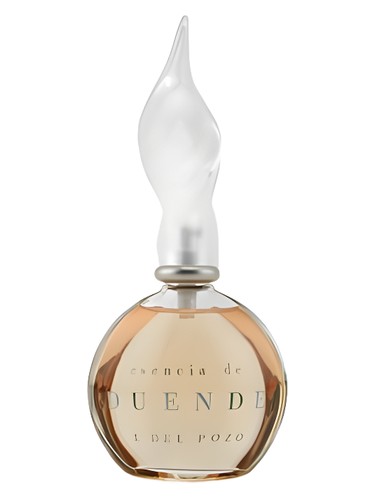
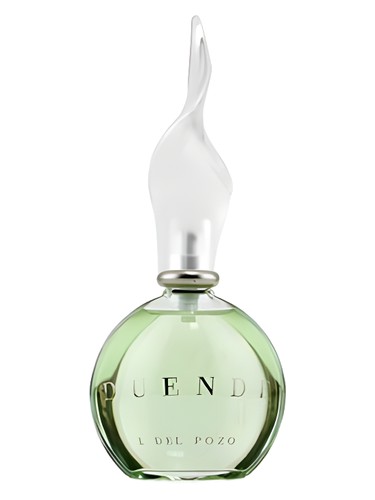
There''s something immediately uplifting about the first spray of Duende—a name that translates to that untranslatable Spanish concept of heightened emotion, soul, and inexplicable charm. Jesus Del Pozo''s 1992 creation opens with a sunlit burst that feels both familiar and distinctive. Lime blossom leads the charge, not the citrus fruit itself but the honeyed, nectar-sweet flowers of the linden tree, joined by fresh melon that adds a juicy, almost edible quality. Bergamot and mandarin orange weave through these opening moments, adding sparkle without sharp edges. This is brightness with depth, a golden rather than white light, immediately signaling the dominant yellow floral character that defines Duende''s personality.
The Scent Profile
The journey from top to base reveals a fragrance that prioritizes warmth and approachability over complexity or daring innovation. Those opening notes of lime blossom and melon create an inviting sweetness—the melon note particularly dates this to the early 90s, when aquatic and fruity accords were reshaping the feminine fragrance landscape. Yet Duende never feels derivative. The bergamot and mandarin provide just enough citrus zing to keep the composition from becoming cloying, while that distinctive lime blossom acts as the bridge between fresh and floral.
As the fragrance settles into its heart, the yellow floral accord that dominates Duende reaches its full expression. Mimosa takes center stage with its powdery, honey-like sweetness—that characteristic note that smells simultaneously like warm skin, honey, and cucumber. Jasmine adds white floral richness without overwhelming, while ylang-ylang contributes its creamy, slightly narcotic sweetness. This combination creates the pronounced powdery quality (46% of the accord profile) that gives Duende its soft-focus, nostalgic character. It''s unabashedly feminine without being girlish, sweet without being sugary.
The base is where Duende reveals its most intriguing facet. Rather than settling into the expected vanilla or musk territory of many 90s florals, it takes an aromatic turn with wormwood and thyme—herbal notes that add an unexpected green, slightly bitter dimension. Cedar and sandalwood provide woody grounding, creating a foundation that''s warm but not heavy, present but not dominating. This aromatic-woody base explains why Duende maintains interest beyond its pretty opening, giving it an earthy quality that keeps it from floating away into pure sweetness.
Character & Occasion
Duende knows exactly what it wants to be: a daytime companion for warm weather. The data confirms what the nose reveals—this is overwhelmingly a spring fragrance (76% seasonal preference), with strong summer appeal (58%) and minimal presence in cooler months. With 100% day wear suitability versus just 15% for evening, it''s clear this isn''t a fragrance that reinvents itself after dark.
Think of Duende as your go-to for outdoor gatherings, office wear during warmer months, weekend brunches, or any occasion where you want to project approachable warmth. The sweet and powdery elements (59% and 46% respectively) make it comforting and easy to wear, while the aromatic and woody accords (both at 44%) prevent it from reading as too soft or ephemeral. It''s particularly suited to those who love classic feminine florals but find many modern interpretations too sharp, too sweet, or too synthetic.
This isn''t a fragrance for someone seeking edge or provocation. If you gravitate toward challenging compositions or want something that makes a bold statement, Duende will likely feel too gentle, too familiar. But for those who appreciate the beauty of a well-executed floral that doesn''t demand constant attention, it offers genuine charm.
Community Verdict
With a solid 3.83 out of 5 rating based on 557 votes, Duende sits comfortably in "very good" territory. This isn''t a cult classic with a small, fervent following, nor is it a divisive fragrance that inspires passionate love or hate. Instead, it''s earned consistent appreciation from a substantial group of wearers who recognize its quality and enjoy its character. That rating suggests a fragrance that delivers on its promises—pleasant, wearable, well-constructed—without necessarily breaking new ground or creating addictive obsession.
How It Compares
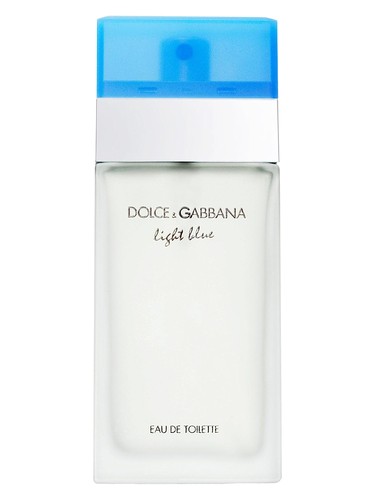
The similar fragrances list reveals Duende''s position in the feminine floral landscape. Its kinship with Lancôme''s Poème and Givenchy''s Amarige places it firmly in the luxurious white-and-yellow floral category of the 90s. The comparison to Jean Paul Gaultier''s Classique suggests shared DNA in that era''s approach to sweetness and femininity, while mentions alongside Chanel''s Coco Mademoiselle and Dolce & Gabbana''s Light Blue indicate appeal to those who enjoy accessible, broadly appealing florals. What distinguishes Duende is its particular emphasis on lime blossom and mimosa, giving it a more golden, honeyed quality than some of its comparisons.
The Bottom Line
Duende represents a specific moment in perfumery when yellow florals with fruit accords defined mainstream feminine fragrance, yet it transcends mere time-capsule status. Its nearly four-star rating reflects genuine appeal—this is a fragrance that continues to find appreciative wearers more than three decades after its launch. For those building a warm-weather fragrance wardrobe, particularly if you love powdery florals with personality, Duende deserves consideration. It won''t be everyone''s signature scent, but it''s an excellent option for anyone seeking that elusive quality its name promises: charm that defies complete explanation, warmth that feels both timeless and of its moment, and beauty that doesn''t need to shout to be heard.
AI-generated editorial review