First Impressions
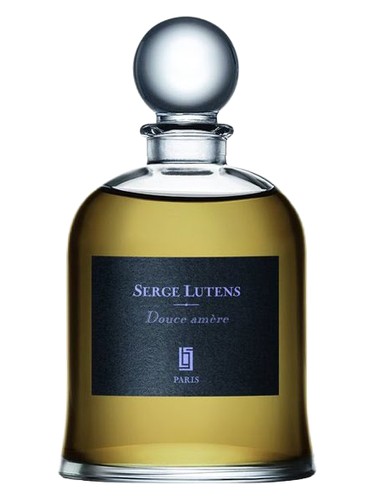
The name says it all: Douce Amère — bittersweet. From the first spray, Serge Lutens makes his intentions clear. This is not a fragrance that seeks to comfort you with predictable sweetness. Instead, it presents a white floral composition that vibrates with tension, where creamy vanilla collides with something sharper, more medicinal. There''s an herbal quality that pierces through the initial cloud of white petals, preventing the scent from settling into conventional beauty. It''s the olfactory equivalent of a smile that doesn''t quite reach the eyes — lovely, but with something provocative lurking beneath.
What strikes you immediately is the density. This isn''t a light, airy floral that dances across the skin. It''s substantial, almost opaque in its presence, with that signature Lutens approach of taking familiar territory and rendering it just strange enough to demand your attention.
The Scent Profile
While the specific note breakdown remains elusive (as Lutens often prefers, keeping some mystery intact), the accord structure tells the story clearly. White florals dominate completely at 100%, creating the backbone of this composition. But this isn''t the fresh, dewy white floral of spring gardens. It''s denser, more narcotic — the kind of white flowers you''d encounter in an evening garden, their sweetness intensified by darkness.
The vanilla accord follows closely at 69%, threading through those florals with creamy warmth. Yet this vanilla doesn''t read as gourmand comfort food. Instead, it''s used architecturally, adding roundness and depth while the herbal elements (64%) and aromatic qualities (56%) keep it from sliding into dessert territory. These green, slightly bitter components are the "amère" in the equation — they cut through the sweetness, adding complexity and edge.
Cinnamon makes a subtle appearance at 34%, just enough to add a spicy warmth without overwhelming the composition. It''s this spice that likely contributes to the fragrance''s cold-weather appeal, warming the white florals from within. The sweetness rating sits at a modest 35%, which speaks volumes about Lutens'' restraint. Despite the vanilla and florals, this isn''t trying to be a comfort scent. The bitterness, the herbal quality, the aromatic bite — these elements ensure that Douce Amère maintains its tension throughout its wear.
Character & Occasion
This is emphatically an autumn and winter fragrance, with 89% and 69% seasonal preference respectively. The density of those white florals and the warming vanilla-cinnamon underpinning make perfect sense wrapped in a wool coat or cashmere scarf. Spring brings it to 52% wearability — possible during cooler days, but summer''s 36% rating suggests this isn''t for the heat. This is a fragrance that needs a bit of chill in the air to truly shine.
Interestingly, it skews heavily toward daytime wear at 100%, with only 46% finding it appropriate for evening. This challenges assumptions about rich, heady white florals being evening territory. Perhaps it''s that herbal, aromatic quality that keeps it from feeling too seductive or heavy for daylight hours. It has presence without being aggressive, sophistication without being unapproachable.
The "feminine" designation feels accurate but not restrictive. This is a fragrance for someone who appreciates contradiction, who doesn''t need their scent to be simply pretty or simply comfortable. It''s for the person who wants their fragrance to make them think, to shift throughout the day, to reveal new facets with each wear.
Community Verdict
With a solid 4.11 out of 5 rating from 988 votes, Douce Amère has clearly earned its devoted following over two decades. This isn''t a niche curiosity languishing in obscurity — it''s a well-loved entry in the Serge Lutens canon that continues to find new admirers. That rating suggests a fragrance that delivers on its promises, that rewards those who seek it out, even if it''s not universally accessible. Nearly a thousand people have weighed in, and the consensus is clear: this is a fragrance worth exploring.
How It Compares
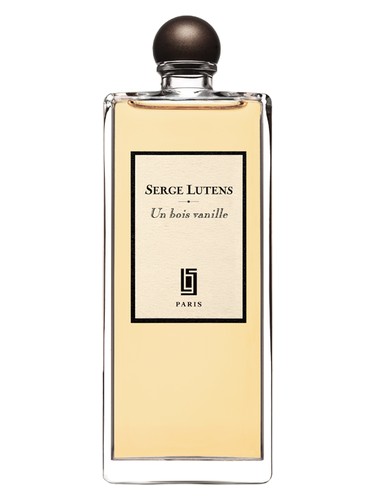
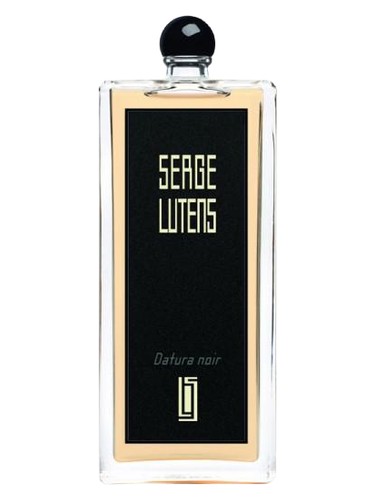
The comparison set reveals Douce Amère''s pedigree. It shares DNA with Lutens'' own Datura Noir and Un Bois Vanille, suggesting a family resemblance in that house''s approach to white florals and vanilla. The mention of Tom Ford''s Tobacco Vanille points to that sophisticated use of vanilla as structure rather than sweetness. Chanel''s Coco Eau de Parfum and Guerlain''s L''Heure Bleue place it among classic French perfumery — fragrances that prize complexity and development over immediate gratification.
Where Douce Amère distinguishes itself is in that herbal, bitter quality. It''s less overtly sensual than Datura Noir, less gourmand than Un Bois Vanille, more modern and angular than L''Heure Bleue''s soft nostalgia. It occupies its own space: the white floral for people who find white florals boring, the vanilla for those who think they hate vanilla.
The Bottom Line
Douce Amère isn''t an easy fragrance, and that''s precisely its appeal. At over twenty years old, it still feels relevant, still feels challenging. The 4.11 rating reflects not universal appeal but deep appreciation from those who connect with its particular vision. This is a fragrance that demands patience and rewards attention.
Who should seek this out? Anyone tired of linear, obvious perfumes. Anyone who wants a white floral with backbone, a vanilla with edge. Those who appreciate Serge Lutens'' particular genius for taking familiar ingredients and rendering them unfamiliar. If you''ve enjoyed any of the comparison fragrances, particularly the other Lutens offerings, this deserves time on your skin.
The bittersweet promise in its name is delivered in full. This is beauty with an asterisk, comfort with a question mark — and that contradiction is exactly what makes it compelling.
AI-generated editorial review