First Impressions
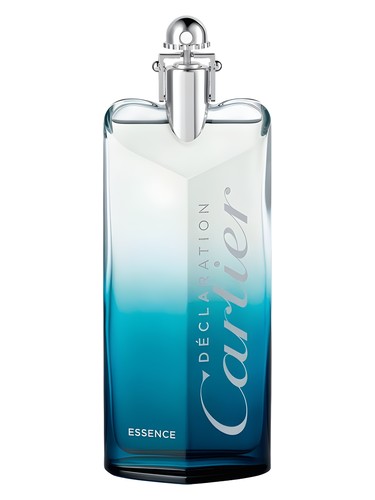
The first spray of Declaration Essence presents a paradox wrapped in elegance. Tea leaves meet orange blossom in an opening that feels both meditative and radiant, while lavender weaves through with surprising restraint. This isn''t the aggressive aromatic blast you might expect from a masculine fragrance launched at the turn of the millennium. Instead, Cartier offers something more contemplative—a composition that whispers rather than shouts, confident enough in its construction to let each element breathe. Within moments, you understand why this fragrance has maintained a solid 4.16 rating across 868 votes: it simply doesn''t put a foot wrong.
The Scent Profile
The aromatic opening—registering at a full 100% on the accord scale—establishes Declaration Essence''s core identity from the outset. That tea note acts as an anchor, providing a slightly astringent, green-tinged framework for the sweeter orange blossom and herbaceous lavender. It''s a triumvirate that manages to feel fresh without veering into cologne territory, sophisticated without becoming stuffy.
As the fragrance settles into its heart, an unexpected citrus brightness emerges. Geranium provides a rosy, slightly metallic green quality, while lemon and Sicilian lemon inject a tart luminosity that keeps the composition from becoming too sedate. This middle phase reveals Declaration Essence''s complexity: the woody accord (75%) begins asserting itself, creating a framework that the citrus notes dance around rather than dominate. There''s a fresh spicy quality (54%) threading through—not from conventional spice notes, but from the interplay between the green geranium and the brighter citruses.
The base is where Declaration Essence reveals its lineage. Vetiver and sandalwood form the woody backbone, with the vetiver contributing that characteristic earthy quality (38%) that grounds the entire composition. Musk and amber add warmth without sweetness, creating a foundation that''s refined rather than sensual. This isn''t a fragrance that aims to seduce—it aims to impress through craftsmanship alone.
Character & Occasion
The data tells a clear story: Declaration Essence is fundamentally a spring fragrance (95%), though it translates beautifully to fall (86%) and summer (81%). Only winter proves less hospitable (54%), where its greener, fresher qualities might feel out of step with the season''s heavier expectations. This is a daytime scent first and foremost (100%), though it maintains respectable evening credentials (69%)—particularly for occasions that demand polish over passion.
This is a fragrance for the man who views dressing well as a form of respect—for himself and others. It suits formal occasions exceptionally well, pairing as naturally with a tuxedo as it does with a well-cut suit for a spring wedding. The projection is strong enough to announce your presence, the longevity sufficient to last through extended events without requiring a refresh. Yet it never overwhelms, never intrudes. It''s the olfactory equivalent of perfect posture.
Community Verdict
Here''s where things get interesting. With a sentiment score of 6.5 out of 10, Declaration Essence generates distinctly mixed feelings—but not for the reasons you might expect. The fragrance itself earns consistent praise: community members describe it as a "masterpiece quality" scent with "excellent performance" and "strong projection and longevity." They appreciate its sophistication and its suitability for formal occasions.
The problem? Declaration Essence is almost too good. Multiple voices note that it "makes other designer fragrances in collection seem synthetic by comparison." This is fragrance as the enemy of satisfaction—once you''ve experienced this level of refinement, everything else reveals its flaws more starkly. It''s a curious complaint, admittedly, but it speaks to the scent''s genuine quality.
The other notable observation: limited community engagement. Based on just 34 opinions, Declaration Essence doesn''t generate the passionate discussion that niche alternatives command. It''s respected rather than beloved, admired rather than obsessed over. For some collectors, that''s perfectly adequate. For others seeking fragrances that spark conversation and debate, it may feel incomplete.
How It Compares
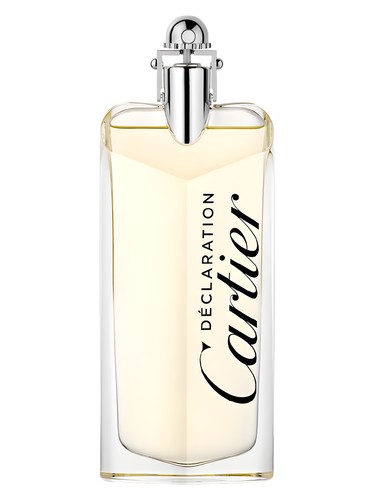
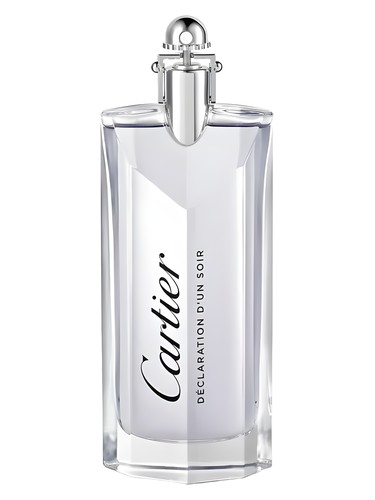
Declaration Essence sits comfortably among some of the most respected fragrances in the aromatic woody category. Its DNA shares kinship with Egoiste Platinum by Chanel, Guerlain''s Vetiver, and Tom Ford''s Grey Vetiver—all fragrances that prioritize refinement over novelty. It''s naturally related to the original Declaration by Cartier, though this Essence interpretation leans harder into the woody-aromatic space. Terre d''Hermès appears in the comparison set as well, suggesting shared appeal for those who appreciate mineralic, earthbound compositions.
Within this distinguished company, Declaration Essence holds its own through sheer craftsmanship. It may not revolutionize the category, but it executes the brief with near-flawless precision.
The Bottom Line
A 4.16 rating from 868 voters represents genuine consensus: Declaration Essence delivers quality that satisfies across a broad spectrum of preferences. This isn''t a polarizing fragrance, nor is it trying to be. It''s a superbly constructed aromatic woody scent that does exactly what it promises with grace and longevity.
Should you seek it out? If you attend formal occasions regularly and want something more distinguished than the typical fresh designer fragrance, absolutely. If you''re building a collection and want a piece that elevates everything around it (even if only by comparison), it''s worth consideration. If you''re looking for your next obsession, something to discuss endlessly and parse into infinite components—you might find it a bit too composed, too self-assured to invite that kind of engagement.
The real value here lies in understanding what you''re acquiring: not just a fragrance, but a standard. Once Declaration Essence establishes residency in your collection, it becomes the measuring stick against which other designer fragrances are judged. That''s both its greatest strength and its most curious weakness—a paradox befitting Cartier''s refined creation.
AI-generated editorial review