First Impressions
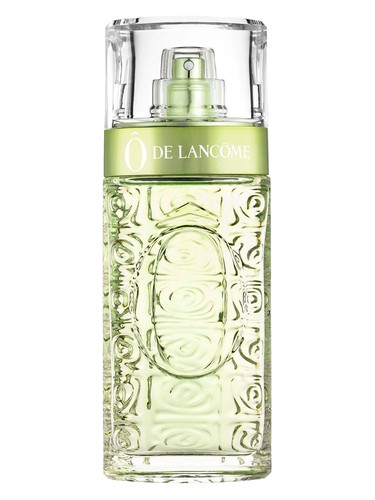
The first spray of Ô de Lancôme is like diving into cold, herb-strewn water on a sweltering afternoon. There''s an immediate shock of lemon and bergamot—not the sweet, polite citrus of traditional feminines, but something sharper, more insistent. Honeysuckle weaves through the bright acidity like a golden thread, while mandarin orange adds just enough roundness to keep the composition from veering into astringency. This is the smell of sunlight on wet leaves, of Mediterranean hillsides after rain, of a radical 1969 idea that women''s perfume could be something other than powdery florals or heavy orientals.
What strikes you immediately is how unapologetically fresh this is. The citrus accord dominates at full intensity, matched equally by an aromatic quality that announces itself with botanical clarity. This isn''t freshness as decoration—it''s freshness as philosophy.
The Scent Profile
The opening salvo of lemon and bergamot maintains its brilliance longer than you might expect from citrus notes, which typically evaporate within minutes. Here, they''re scaffolded by mandarin orange''s subtle sweetness and honeysuckle''s nectar-like qualities, creating a top note phase that feels both crisp and lived-in. It''s the olfactory equivalent of vintage linen: clean but never sterile.
As the citrus gradually softens, the heart reveals Ô de Lancôme''s true personality. Basil and rosemary emerge with herbal intensity, their green, slightly camphorous qualities adding an unexpected masculine edge. This is where the aromatic accord flexes its muscles at full strength, joined by coriander''s fresh-spicy warmth—that distinctive soapy-citric quality that reads as both clean and exotic. Jasmine appears, but not as the voluptuous star of the show. Instead, it plays a supporting role, adding floral softness without overwhelming the composition''s fundamentally herbal character.
The fresh spicy accord, registering at 64%, becomes more apparent in this phase, as coriander''s peppery facets interact with the aromatic herbs. It''s a spiciness of green stems and crushed leaves rather than kitchen cupboards.
The base is where Ô de Lancôme reveals its vintage DNA. Oakmoss brings that unmistakable earthy, forest-floor quality—the signature of classic chypre perfumery, before reformulations necessitated by allergen regulations softened its impact. Vetiver adds its characteristic woody, slightly smoky grassiness, while sandalwood provides creamy roundness. These base notes account for the woody (56%), earthy (43%), and mossy (40%) accords that ground what could have been an ephemeral citrus into something with surprising tenacity.
The drydown maintains that balance between brightness and depth, between herb garden and forest floor, that makes Ô de Lancôme smell both natural and artfully composed.
Character & Occasion
This is a fragrance with strong opinions about when and where it belongs. The community data tells a clear story: summer claims 97% suitability, spring follows at 68%, while fall and winter barely register. This is emphatically warm-weather perfumery, built for heat and humidity, for those moments when heavier fragrances would wilt.
The day versus night split is even more definitive—100% day, a mere 12% night. Ô de Lancôme is sunshine in a bottle, meant for morning routines, office wear, outdoor lunches, garden parties. It lacks the sensuality or intensity typically associated with evening fragrances, and it makes no apologies for that.
Who is this for? Anyone who finds conventional feminines too sweet, too heavy, too obvious. The woman who reaches for crisp white shirts and barely-there makeup. The person who wants to smell clean and compelling without announcing their presence from across the room. It''s particularly brilliant for those who love fragrance but work in environments where subtlety matters—the aromatic freshness reads as sophisticated rather than perfume-y.
That said, the prominent herbs and mossy base give this a slightly androgynous quality that might feel jarring to those expecting traditional floral femininity.
Community Verdict
With a rating of 3.81 out of 5 from nearly 3,000 voters, Ô de Lancôme occupies interesting territory. This isn''t the universal adoration reserved for crowd-pleasers, nor is it the polarizing score of experimental niche fragrances. Instead, it reflects a scent that commands respect but may not inspire passion in everyone.
That rating suggests a fragrance appreciated for its quality and uniqueness, but perhaps not loved by those seeking richness, longevity, or conventional prettiness. It''s the score of something honest—admired for what it is rather than trying to be everything to everyone.
The substantial vote count indicates this remains relevant despite its age, still attracting new wearers and maintaining a loyal following over five decades.
How It Compares
Lancôme''s positioning among its similar fragrances is telling. Light Blue by Dolce & Gabbana represents the modern, commercial interpretation of fresh citrus femininity—simpler, sweeter, more accessible. Aromatics Elixir by Clinique shares the aromatic herbal quality but takes it in a darker, more intense direction. The mentions of Coco Mademoiselle and Shalimar seem to reflect Ô de Lancôme''s classic status rather than scent similarity, while Anais Anais shares its vintage femininity but opts for soft florals over aromatic freshness.
Where Ô de Lancôme distinguishes itself is in its refusal to choose between citrus brightness and substantial depth. Many fresh fragrances sacrifice longevity for sparkle; this maintains presence through its mossy, woody base.
The Bottom Line
Ô de Lancôme deserves its nearly four-star rating, but it demands the right wearer and the right expectations. This isn''t a safe blind buy for those new to fragrance, nor will it satisfy anyone seeking Instagram-worthy sillage or all-day projection. Reformulations over the decades have likely softened its oakmoss bite, potentially disappointing vintage fragrance purists.
What it offers instead is increasingly rare: a citrus aromatic with genuine character and impressive construction, created when perfumery valued distinctiveness over mass appeal. For warm weather, daytime wear, it remains remarkably modern despite its 1969 birth—proof that good ideas transcend their era.
Try it if you''re tired of sweet fruity florals, if you love herbs and citrus, if you appreciate perfume as subtle enhancement rather than bold statement. Skip it if you want richness, romance, or something special for evenings out.
AI-generated editorial review