First Impressions
The first spray of Danger Pour Homme announces itself with a contradiction that somehow makes perfect sense. A bright, sharp burst of bergamot and lemon collides with lavender''s herbal softness, while cumin introduces an unexpected warmth that walks the line between culinary and carnal. This is no shy introduction—Roja Dove has crafted an opening that immediately signals this won''t be another safe, boardroom-friendly masculine. The tarragon adds an almost licorice-like greenness that keeps the citrus from veering too clean, too predictable. Within seconds, you understand the "Danger" in the name isn''t metaphorical posturing. This fragrance has teeth.
The Scent Profile
The evolution of Danger Pour Homme reveals why Roja Dove commands his reputation as a master perfumer willing to push boundaries while respecting classical structures. Those opening notes—lavender, lemon, cumin, bergamot, and tarragon—create an aromatic-citrus introduction that feels simultaneously familiar and disorienting. The lavender carries weight here, not the airy freshness of a fougère, but something more substantial, almost honeyed.
As the composition settles into its heart, an unusual floral trio emerges: violet, jasmine, and lily-of-the-valley. In masculine perfumery, this could be treacherous territory, but Dove wields these flowers with surgical precision. The violet adds a powdery, almost lipstick-like quality that never reads as feminine but rather as vintage, like opening a leather case that once held your grandfather''s shaving soap. Jasmine brings indolic richness without overwhelming, while lily-of-the-valley contributes a green, dewy transparency that prevents the composition from becoming too dense.
Then comes the base—and what a base it is. This is where Danger Pour Homme plants its flag firmly in woody, animalic territory. Ambergris, castoreum, and leather form an unholy trinity of animal-derived notes that give the fragrance its muscular, almost confrontational character. These aren''t polite synthetic approximations; they smell real, raw, alive. Patchouli and oakmoss anchor the composition in classic chypré territory, while vanilla and tonka bean provide just enough sweetness to make the whole affair wearable rather than museum-piece austere. Vetiver adds earthy smoke, cedar contributes dry woodiness, and cloves inject subtle spice. The rhubarb and galbanum in the base are unusual choices that add tart, green facets preventing the composition from becoming too heavy, too obvious.
Character & Occasion
With a 100% woody accord backed by 90% aromatic character and significant citrus, lavender, amber, and notably animalic qualities (53%), Danger Pour Homme occupies a distinctive space in masculine fragrance. This is a scent that demands attention without shouting for it—a quiet confidence that doesn''t apologize for taking up space.
The seasonal data tells a compelling story: fall wearers embrace it completely (100%), spring nearly as enthusiastically (98%), winter finds it highly suitable (83%), and even summer doesn''t completely reject it (61%). This suggests remarkable versatility for such a complex, dense composition. The cooler months allow its animalic and woody facets to bloom fully, while the fresher opening notes make it viable in warmer weather for those willing to apply a lighter hand.
The day/night split (86% day, 89% night) reveals Danger Pour Homme''s chameleon nature. It''s refined enough for professional settings yet possesses the sensuality and depth for evening wear. This is a fragrance for the man comfortable in multiple contexts—the architect who motorcycles on weekends, the professor with a leather jacket, the executive who reads poetry. It requires confidence to wear but rewards that confidence handsomely.
Community Verdict
With a rating of 4.45 out of 5 stars across 737 votes, Danger Pour Homme has earned serious respect from those who''ve experienced it. This isn''t a fragrance that polarizes drastically—the high rating suggests consistent appreciation across a substantial sample size. That consistency speaks to Dove''s craftsmanship: he''s created something adventurous yet balanced, unconventional yet coherent. The rating places it firmly in "exceptional" territory, the kind of fragrance that converts skeptics and rewards repeated wearing as its complexity reveals itself over time.
How It Compares
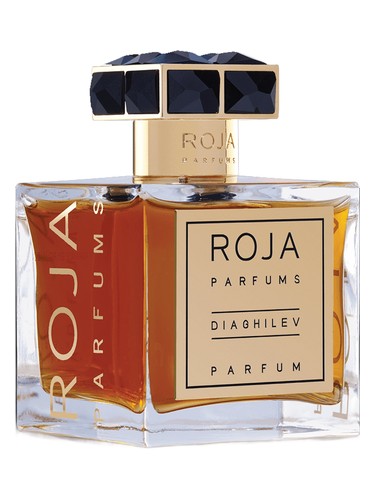
Danger Pour Homme finds itself in distinguished company. Its similarities to Tauer''s L''Air du Désert Marocain suggest shared ground in spiced, animalic territory. The connection to Roja''s own Diaghilev indicates a family resemblance in Dove''s approach to unabashedly opulent masculine compositions. Links to Clive Christian''s 1872 For Men, Amouage''s Reflection Man, and Parfums de Marly''s Layton position it among luxury masculines that privilege complexity and quality over mass appeal.
What distinguishes Danger Pour Homme is its particular balance of classical and daring. While Reflection Man leans more floral-woody and Layton sweeter, Danger embraces its animalic side more fully. It''s less forgiving than some alternatives but potentially more rewarding for those willing to meet it on its terms.
The Bottom Line
Danger Pour Homme isn''t for everyone, and that''s precisely the point. Roja Dove has created a fragrance that assumes its wearer possesses both sophistication and nerve. At luxury pricing (Roja Dove fragrances command premium territory), this represents an investment, but the 4.45 rating from over 700 voters suggests buyers find value in the artistry and performance.
This is a fragrance for the man who''s tired of smelling like everyone else in the elevator, who appreciates that true elegance sometimes requires a dangerous edge. If you find yourself drawn to woody, aromatic compositions but crave something with more personality than another vetiver-cedar routine, Danger Pour Homme deserves your attention. Sample it first—its animalic character won''t appeal to everyone—but if it clicks, you may find yourself abandoning safer choices for good.
AI-generated editorial review