First Impressions
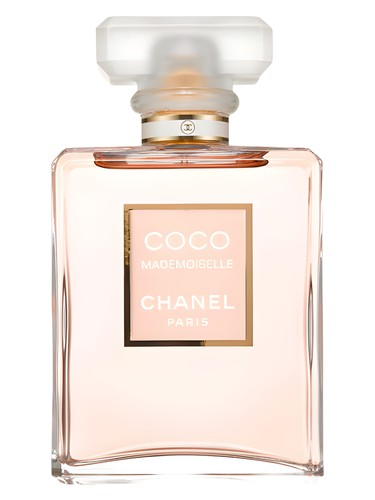
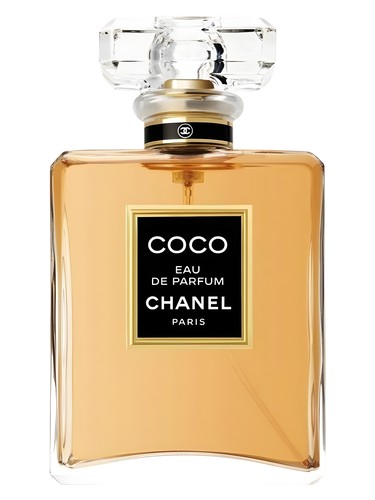
The first spray of Coco Eau de Parfum announces itself like a velvet curtain dropping in a grand theater—heavy, sumptuous, and utterly unambiguous about its intentions. Bulgarian rose immediately tangles with peach and jasmine, but this is no innocent bouquet. Coriander cuts through the florals with an almost animalic edge, a warning shot that this 1984 creation from Chanel has no interest in modern restraint. The mandarin orange tries to lift the proceedings, but it''s quickly engulfed by the perfume''s true nature: an amber titan that wears its 100% amber accord rating like a crown.
This is not a fragrance that asks for your attention. It demands it.
The Scent Profile
Coco opens with a baroque complexity that seems almost architectural in its construction. The Bulgarian rose and jasmine form the floral foundation, but they''re immediately complicated by that coriander—a note that brings a warm, slightly spicy muskiness to what could have been conventionally pretty. The peach adds a vintage plushness, the kind of fruity-floral roundness that marked so many powerhouses of the 1980s. Mandarin orange provides the only glimpse of brightness before the composition descends into its true domain.
The heart is where Coco reveals its warm spicy character (66% accord rating). Cloves take center stage alongside rose, creating a heated, almost oriental density. Mimosa and orange blossom attempt a lighter interlude, their honeyed, slightly powdery qualities softening the edges. Clover adds an unexpected herbaceous sweetness, like a memory of green things pressed between the pages of a leather-bound book. This is the stage where the perfume''s powdery accord (53%) begins to emerge, a talc-like softness that will only intensify as the fragrance settles.
The base is where Coco truly makes its home, and it''s a residence of profound warmth. Amber and labdanum create a resinous, almost sticky sweetness that forms the perfume''s backbone. Sandalwood provides woody depth (40% accord), while opoponax—also known as sweet myrrh—adds an incense-like richness. Tonka bean and vanilla deliver that sweet accord (55%), but they''re tempered by something more primal: civet. This animalic note, whether natural or synthetic, gives Coco a sensual heat that separates it from safer amber fragrances. It''s the note that makes you understand why this perfume scores 100% for night wear.
Character & Occasion
The data tells a clear story: Coco Eau de Parfum is a cold-weather companion. With a 99% winter rating and 91% for fall, this is emphatically not a fragrance for humid days or casual summer evenings. Its density, its warmth, its sheer presence all require the context of cooler temperatures and longer nights. Spring (29%) might be pushing it; summer (19%) would be inadvisable unless you''re in aggressive air conditioning.
The day/night split is particularly revealing. While Coco scores 54% for daytime wear, it reaches a perfect 100% for evening. This is a perfume that comes alive under artificial light, in restaurants with white tablecloths, at gallery openings, in velvet-seated theaters. It''s not office-appropriate in most modern workplaces—it projects too boldly, speaks too loudly about luxury and sensuality.
This is a fragrance for someone who doesn''t mind being noticed, who perhaps enjoys it. The woman who wears Coco has moved beyond seeking approval; she''s stating her presence. It suits mature skin and confident personalities, though age is less about years than attitude.
Community Verdict
Here''s where the story takes an interesting turn: the Reddit fragrance community, despite their usually vocal opinions, has remained largely silent on Coco Eau de Parfum. From the data collected across discussions, no substantial community commentary emerged. This absence is itself telling. Either Coco exists in a realm beyond the typical niche-obsessed discourse—too mainstream to excite, too vintage to feel relevant—or it''s simply a fragrance that the current generation of online fragrance enthusiasts has bypassed entirely.
The overall rating of 4.26 out of 5 from nearly 13,000 votes suggests a broader appreciation exists beyond Reddit''s particular demographic. This is likely a fragrance cherished by those who discovered it decades ago and have remained loyal, rather than one generating fresh buzz among newer perfume explorers.
How It Compares
Coco sits firmly in the lineage of great amber-oriental powerhouses. Its closest spiritual sibling is Yves Saint Laurent''s Opium (1977), which blazed the trail for this style of spiced, resinous femininity. Dior''s Poison shares that 1980s DNA of unapologetic sillage. Guerlain''s Shalimar provides the classical reference point—what Coco might have evolved from if it had been born in a more assertive era.
Within Chanel''s own line, Coco Noir represents a modern, darker interpretation of similar themes, toned down for contemporary tastes. Compared to these siblings and cousins, Coco Eau de Parfum holds the middle ground: warmer than Shalimar, less challenging than Poison, more classical than Coco Noir.
The Bottom Line
Coco Eau de Parfum is a fragrance out of time—which is both its limitation and its appeal. In an era of skin scents and fresh musks, it stands as a monument to when perfumes wore their complexity proudly and projection was a feature, not a bug. That 4.26 rating from over 12,000 voters suggests it does what it does exceptionally well, even if what it does isn''t for everyone.
This isn''t a beginner fragrance, nor is it particularly versatile. But for cold evenings, for moments when you want to embody warmth and opulence, for times when subtlety seems beside the point—Coco delivers with unwavering conviction. It''s worth trying if you love vintage orientals, if you find modern releases too timid, or if you simply want to understand what feminine power smelled like in 1984.
Just don''t expect it to whisper. That was never the point.
AI-generated editorial review