First Impressions
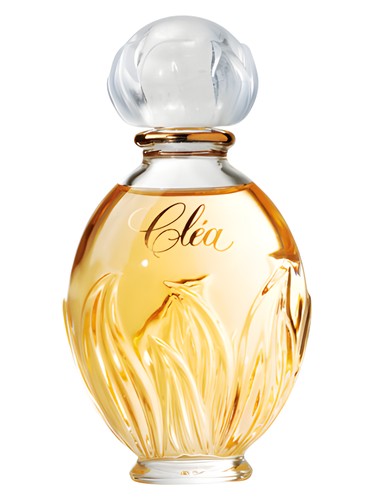
The first spray of Clea transports you to an era when white florals ruled the perfume counter with unabashed confidence. This 1980 creation from Yves Rocher opens with an immediate declaration of intent: a lush, creamy white floral bouquet that doesn''t apologize for its presence. There''s an old-world sophistication here, the kind that belonged to department store counters when perfume came in heavy glass bottles and women wore heels to lunch. Yet Clea possesses something unexpected for a vintage white floral—a certain restraint, a woody backbone that keeps it from veering into the overwrought territory that plagued so many of its contemporaries.
The initial impression is one of soft petals layered over warm wood, with just enough amber glow to suggest depth without heaviness. It''s immediately recognizable as vintage in its construction, yet surprisingly wearable by today''s standards.
The Scent Profile
Without access to the specific note breakdown, Clea''s character reveals itself through its accord structure—and what a structure it is. The white floral accord dominates completely at 100%, creating a creamy, indolic foundation that defines every moment of this fragrance''s evolution. This isn''t the sharp, green white floral of modern compositions, but rather the rich, almost buttery interpretation that characterized the late ''70s and early ''80s.
The woody accord follows at a substantial 73%, providing crucial structure and preventing the florals from floating away into abstraction. This wood reads as soft and slightly powdery rather than stark or austere—think sandalwood''s creamy smoothness rather than cedar''s dryness. The interplay between these two dominant accords creates Clea''s signature: white flowers grounded in wood, opulent yet anchored.
A notable yellow floral presence at 43% adds a subtle solar quality, likely suggesting hints of ylang-ylang or champaca that warm the white floral heart. The amber accord at 40% weaves through the composition, adding a subtle resinous sweetness that becomes more apparent in the dry-down. Rose makes an appearance at 33%—enough to add classic floral elegance without dominating the white floral narrative.
Perhaps most telling is the powdery accord at 29%, which explains Clea''s vintage softness. This is the whisper of classic face powder, the soft-focus filter that distinguished ''80s florals from their bolder descendants. It lends an air of refined femininity, though never veers into grandmotherly territory thanks to the contemporary woody support.
Character & Occasion
Clea''s seasonal profile tells a compelling story: this is decidedly a cool-weather fragrance, scoring 81% for fall and 72% for winter. The rich white floral and woody combination creates warmth without overwhelming, making it ideal for crisp autumn days and chilly winter afternoons. Spring remains viable at 60%, though summer lags at just 36%—the amber and powder can feel too enveloping when temperatures soar.
The day/night breakdown reveals Clea''s true identity: it''s a daytime fragrance first and foremost, scoring a perfect 100% for day wear while maintaining respectable 60% viability for evening. This versatility speaks to its balanced character—formal enough for important meetings, soft enough for lunch dates, warm enough for evening gatherings without demanding a spotlight.
This is a fragrance for women who appreciate classic construction but live modern lives. It works beautifully in professional settings where you want to feel polished without announcing your presence. Picture it in art galleries, upscale cafés, book launches, afternoon theater—anywhere that calls for refined presence rather than dramatic entrance.
Community Verdict
With 830 votes yielding a 3.78 out of 5 rating, Clea sits comfortably in "very good" territory. This rating deserves context: for a fragrance over four decades old, maintaining nearly a 4-star average speaks to genuine quality and lasting appeal. The substantial vote count suggests continued interest and availability, remarkable for a fragrance from a brand often associated with accessibility rather than collector status.
The rating reflects honest assessment rather than nostalgic inflation—users recognize Clea''s strengths while acknowledging it won''t convert those averse to vintage white florals. It''s a fragrance that knows what it is and executes beautifully within its parameters.
How It Compares
The comparison list reads like a white floral hall of fame: Amarige by Givenchy, Anais Anais by Cacharel, Organza by Givenchy, Dune by Dior, and Yria (also from Yves Rocher). These are heavy-hitters in the white floral woody category, and Clea holds its ground admirably among them.
Where Amarige goes loud and unapologetic, Clea maintains composure. Against Anais Anais''s youthful innocence, it offers mature sophistication. Compared to Organza''s Oriental richness, Clea stays lighter and more accessible. The connection to Dune is particularly interesting—both share that woody grounding that distinguishes them from purely floral compositions.
Within the Yves Rocher lineup, the similarity to Yria suggests a house style for elevated white florals, proving the brand''s capability beyond its accessible price point.
The Bottom Line
Clea deserves its 3.78 rating—it''s a genuinely well-crafted white floral that transcends its drugstore origins. For those who appreciate vintage construction, woody white florals, or simply want a sophisticated daytime fragrance for cool weather, Clea merits exploration. The accessibility of Yves Rocher pricing makes this a low-risk discovery.
It won''t revolutionize your collection or challenge modern perfumery conventions, but that''s not its purpose. Clea offers something increasingly rare: unpretentious elegance, vintage charm with modern wearability, and proof that accessible doesn''t mean forgettable. If you''ve loved any of its comparable fragrances or simply want to understand what white florals offered before aquatics took over, seek out Clea. Four decades on, she still knows how to make an impression.
AI-generated editorial review