First Impressions
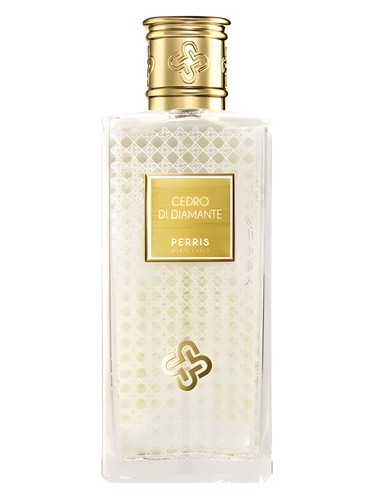
The first spray of Cedro di Diamante is like stepping into a sun-drenched Ligurian citrus grove at dawn, when the air still holds a trace of coolness and every leaf glistens with dew. This is citrus in its most unapologetic form—a 100% citrus accord that doesn''t apologize for its brightness or its intensity. The opening is a symphony of yellow and green: citron''s bitter-sweet complexity, lemon''s sharp clarity, lime''s green tartness, and lemon verbena''s herbal sweetness all competing for attention in the most harmonious way possible. It''s immediately recognizable as a citrus fragrance, yet there''s something refined about it, something that whispers "niche perfumery" rather than cologne counter.
The Scent Profile
The top notes present a masterclass in citrus variation. While many fragrances rely on a single citrus note for impact, Cedro di Diamante layers four distinct expressions: citron brings a sophisticated, slightly bitter edge; lemon provides that essential brightness; lemon verbena adds an aromatic, almost tea-like quality; and lime injects a green sharpness that keeps the composition from veering too sweet. This isn''t the fleeting citrus of mainstream fragrances—there''s substance here, a commitment to the citrus category that justifies its dominant accord rating.
As the initial brightness settles, the heart reveals its unexpected character. Ginger, cardamom, Sichuan pepper, and pink pepper create a fresh-spicy accord (28%) that transforms the composition from simple to sophisticated. The ginger adds warmth without heaviness, while cardamom contributes its green, eucalyptus-tinged spiciness. The pepper duo—Sichuan''s numbing tingle and pink pepper''s rosy bite—creates a prickling sensation that dances across the citrus foundation. This spicy heart is what prevents Cedro di Diamante from being just another citrus fragrance; it''s the bridge between the sparkling opening and the surprisingly substantial base.
The base notes reveal the fragrance''s true ambition. Oakmoss brings a mossy accord (28%) and earthy quality (25%) that grounds the entire composition in classic perfumery tradition. This isn''t a fleeting eau de cologne that disappears in an hour; the moss provides tenacity and a green, forest-floor depth. Musk (23% accord) adds skin-like softness and helps with longevity, while iris contributes a powdery, almost mineral quality that feels cool against the skin. Together, these base notes explain why users consistently praise this fragrance for its lasting power—unusual for a citrus-dominant scent.
Character & Occasion
The data tells a clear story: this is a summer perfume (100%), with strong spring appeal (69%), and minimal cold-weather relevance. It''s also overwhelmingly a daytime fragrance (86% day versus 12% night), which makes perfect sense given its bright, fresh character. Cedro di Diamante is feminine in classification, but its mossy, spicy elements give it enough structure to appeal across gender lines.
This is the fragrance for sun-soaked terraces, coastal walks, and crisp linen dresses. It excels in office environments where you want to smell polished but not overpowering, and it''s ideal for casual daily wear when you need something that feels special without demanding attention. The fresh-spicy and mossy elements mean it transitions beautifully from a morning coffee meeting to an afternoon garden party. In summer''s heat, the citrus notes remain vibrant without becoming cloying, while the moss and spice provide just enough weight to feel like a "real" perfume rather than a simple refresher.
Community Verdict
With a solid 4.38 out of 5 rating from 555 votes, Cedro di Diamante has earned genuine appreciation, even if it hasn''t sparked extensive discussion. The Reddit community''s sentiment is decidedly positive (7.5/10), with users highlighting several strengths: its unique and distinctive citrus profile stands out in a crowded category; the quality-to-price ratio impresses; and most notably for a citrus fragrance, the longevity exceeds expectations. Its versatility for daily wear makes it a practical addition to any wardrobe.
The cons, however, deserve attention. Multiple users have reported color inconsistencies between batches—a concern that suggests potential quality control issues. The limited community discussion means fewer data points for prospective buyers, and the batch variation concerns extend beyond just appearance to questions about consistency in the formula itself. These aren''t deal-breakers, but they''re worth considering, especially when investing in niche perfumery.
How It Compares
Cedro di Diamante finds itself in distinguished company. Its similarities to Acqua di Parma''s Fico di Amalfi and Creed''s Virgin Island Water place it firmly in the Mediterranean citrus category, while comparisons to Xerjoff''s Nio and Nishane''s Hacivat suggest a more complex, sophisticated execution. Unlike simpler citrus colognes, this fragrance shares DNA with compositions that balance freshness with depth. It occupies a sweet spot: more substantial than Acqua di Parma''s offerings, more wearable than some of Nishane''s bold statements, and more focused than Creed''s tropical cocktail approach.
The Bottom Line
Cedro di Diamante is that rare citrus fragrance that delivers both immediate pleasure and staying power. Its 4.38 rating reflects genuine quality—this isn''t inflated by hype or limited availability. For those who find most citrus fragrances too fleeting or simplistic, the spicy heart and mossy base provide the complexity and longevity that justify the niche price point.
The batch variation concerns prevent this from being an unreserved recommendation, but the overall positive sentiment and practical versatility make it worth trying, especially for anyone building a warm-weather fragrance wardrobe. This is sophisticated daily-wear perfumery that doesn''t sacrifice personality for wearability. If you''ve been searching for a citrus fragrance that feels grown-up, that lasts beyond lunch, and that offers more than momentary refreshment, Cedro di Diamante delivers on its diamond-bright promise.
AI-generated editorial review