First Impressions
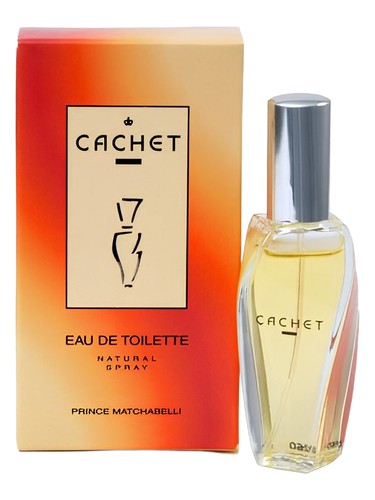
The first spray of Cachet is like stepping into a dew-soaked garden at dawn—but one guarded by a velvet rope and a knowing glance. This is no gentle floral awakening. The opening hits with a bracing blast of galbanum and green grass, sharpened by aldehydes that crackle with vintage sophistication. Beneath that verdant armor, there''s an unexpected warmth: spices that hint at the complexity waiting in the wings. This is the scent equivalent of a 1970s power suit—structured, confident, and utterly uninterested in being approachable.
Prince Matchabelli launched Cachet in 1970, at the precise moment when femininity was being redefined. The fragrance wears its era proudly, but don''t mistake that for dated. This is a composition that understood something crucial: green doesn''t have to mean fresh. Here, it means formidable.
The Scent Profile
Cachet''s architecture reveals itself in layers, each more substantial than the last. Those opening aldehydes—hallmarks of classic perfumery—provide an almost soapy brightness that lifts the galbanum''s bitter green intensity. The green grass note reinforces the verdant assault, while the spices add a peppery, almost resinous quality that keeps the top from skewing too sharp.
As the fragrance settles into its heart, the composition takes an unexpected turn toward earthiness. Vetiver and patchouli form a deeply rooted foundation that pulls the entire scent downward into soil-rich territory. But this isn''t a hippie patchouli—it''s refined, supported by the powdery elegance of orris root and the indolic richness of jasmine. Rose makes an appearance, though you''d hardly call Cachet a rose perfume. Instead, the floral notes seem almost incidental, decorative flourishes on what is fundamentally a study in green and earth.
The base is where Cachet reveals its true vintage credentials. Oakmoss—that now-restricted ingredient that defined the chypre category—spreads across the foundation with bitter, forest-floor authenticity. Leather adds a subtle animalic quality that''s amplified by civet, creating a skin-like warmth that feels both intimate and slightly dangerous. Amber and musk round out the composition, providing just enough sweetness to balance the aggressive green-earth-animal trilogy that dominates the scent.
The progression is less about transformation and more about revelation. Cachet doesn''t so much evolve as it gradually shows you what it was all along: a green chypre with serious earthy, woody, and animalic underpinnings.
Character & Occasion
With main accords reading at 100% green and 95% earthy, Cachet isn''t asking for your approval. This is a fragrance that works across all seasons, though it truly shines when there''s a chill in the air—those moments when you want something substantial on your skin. The woody (76%) and animalic (73%) elements give it enough heft for cold weather, while the fresh accord (66%) keeps it from becoming oppressive in warmer months.
Interestingly, the community data shows a perfect split between day and night wear—or rather, no strong preference either way. This makes sense. Cachet exists in its own temporal zone, equally at home in a sunlit office or a dimly lit dinner. It''s assertive enough for evening but too sophisticated to be relegated only to darkness.
Who is this for? Someone who appreciates the weight of vintage perfumery. Someone who doesn''t flinch at terms like "oakmoss" and "civet." This isn''t a safe choice for the timid or the trend-conscious. It''s for those who understand that fragrance can be architecture, not just accessory.
Community Verdict
With a solid 4.1 out of 5 stars from 376 voters, Cachet has earned its place among vintage fragrances worth seeking out. That rating reflects genuine appreciation from those who''ve experienced it—not inflated hype from limited-edition scarcity. Nearly 400 people have taken the time to rate a discontinued fragrance from 1970, which speaks volumes about its lasting impact.
The score also suggests honesty: this isn''t a perfect fragrance for everyone, and the community knows it. But for those attuned to its particular frequency, Cachet delivers something increasingly rare in modern perfumery.
How It Compares
Cachet stands comfortably alongside the great green chypres of its era and beyond. Miss Dior (the original) shares that aldehydic galbanum opening, while Knowing by Estée Lauder echoes the earthy-green intensity. Magie Noire by Lancôme takes the animalic elements even further into shadow, and Paloma Picasso by Paloma Picasso shares that unapologetic boldness. Rive Gauche by Yves Saint Laurent offers a similarly sophisticated take on green florals with vintage backbone.
Where Cachet distinguishes itself is in its particular balance—it''s earthier than Miss Dior, more wearable than Magie Noire, less overtly floral than Rive Gauche. It occupies a sweet spot for those who want green depth without tipping into either excessive sweetness or overwhelming darkness.
The Bottom Line
Cachet won''t be found in department stores anymore, but the secondary market and vintage sources keep it accessible to those willing to search. At 4.1 stars, it''s earned its reputation as a legitimate vintage treasure, not just a nostalgic curiosity.
Should you seek it out? If you''ve ever felt that modern fragrances lack backbone, if you appreciate oakmoss-rich chypres, or if you''re building a collection that honors perfumery''s bolder past—yes. Absolutely. This is educational in the best sense: it teaches you what green can mean when it''s paired with earth, leather, and animal musk rather than watery notes and white florals.
For everyone else, Cachet might feel like too much fragrance—and that''s precisely the point. This is maximalism in a bottle, a reminder that femininity once wore its power on its skin, verdant and uncompromising.
AI-generated editorial review