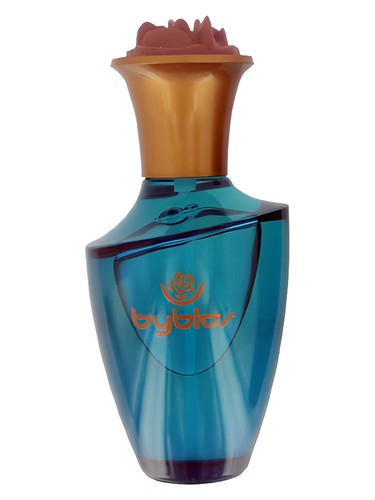
First Impressions
The first spray of Byblos is like stepping into a sun-drenched Italian garden where someone has just sliced open a passion fruit over a bed of white flowers. This 1990 creation from the Byblos fashion house doesn''t whisper—it announces itself with a tropical fruit cocktail that''s simultaneously sophisticated and playful. The opening is a kaleidoscope: passion fruit''s tangy sweetness collides with pineapple''s sunny disposition, while black currant adds a tart complexity that prevents the composition from tipping into pure dessert territory. Grapefruit and bergamot weave through this fruity abundance, providing citric brightness that feels more like champagne bubbles than sharp acidity. This is early ''90s perfumery at its most confident, before minimalism took hold, when more was decidedly more.
The Scent Profile
The transition from those exuberant top notes—which include not just passion fruit, pineapple, and black currant, but also cassia, peach, marigold, mandarin orange, and bergamot—into the heart reveals Byblos''s true ambition. This isn''t just a fruity fragrance; it''s a white floral powerhouse dressed in tropical fruit. The heart unfolds like a florist''s fever dream: mimosa, honeysuckle, jasmine, gardenia, heliotrope, violet, lily-of-the-valley, ylang-ylang, lily, orchid, iris, and rose create a creamy, almost narcotic floral embrace. The gardenia and jasmine provide the backbone, rich and indolic, while heliotrope adds an almond-like softness that bridges the fruit and flowers seamlessly.
What makes this complexity work—and with twelve heart notes, complexity is an understatement—is the powdery quality that begins to emerge. The iris and orris root dust everything with a subtle talc-like finish that feels vintage without being dated, nostalgic without being grandmotherly. There''s a sweetness here that reads as soft focus rather than sugary, tempering the white florals'' potential sharpness.
The base brings an unexpected turn. Raspberry continues the fruity thread but now in a deeper, jammier register. Pepper adds a subtle spice that creates intrigue, while vetiver grounds the entire composition with an earthy whisper. Musk wraps it all in a soft, skin-like embrace that allows the fragrance to settle into something surprisingly intimate after its bold opening. It''s a base that doesn''t compete with what came before but rather provides a gentle landing after the olfactory journey.
Character & Occasion
Byblos is overwhelmingly a warm-weather fragrance, scoring identically for spring and summer at 82% suitability for each season. This makes perfect sense—those tropical fruits and white florals crave sunshine and warm skin. Fall sees a moderate 48% rating, suggesting it can transition into early autumn days, while winter''s 28% confirms this isn''t a cold-weather companion. The fragrance''s character feels too light, too optimistic for heavy coats and grey skies.
The day/night split tells an equally clear story: 100% day, 42% night. This is a daytime fragrance first and foremost, ideal for brunches, garden parties, office environments that welcome personality, and casual weekend outings. Can you wear it at night? Certainly, particularly for casual evening events or warm summer nights, but it doesn''t possess the depth or intensity typically associated with evening wear.
This is a fragrance for someone who appreciates the femininity of the early ''90s aesthetic—bold, sweet, unabashedly pretty without irony. It suits those who want their presence known without shouting, who appreciate vintage compositions but want something less common than the era''s mega-hits.
Community Verdict
The Reddit fragrance community data reveals an interesting absence: Byblos simply doesn''t appear in contemporary discussions. With a neutral sentiment score and no specific pros or cons documented in the community conversations reviewed, it occupies a curious space—not reviled, not celebrated, but rather overlooked in favor of more prominent fragrances. This silence speaks volumes about Byblos''s position in today''s market: it''s a well-crafted fragrance from a respected Italian fashion house that has quietly slipped beneath the radar of current fragrance discourse.
However, the broader rating of 3.93 out of 5 from 529 votes suggests a solid, if not spectacular, reception among those who have actually worn it. This is a respectable score indicating a well-made fragrance that satisfies without revolutionizing.
How It Compares
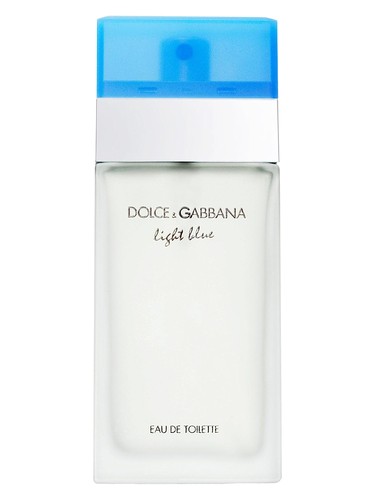
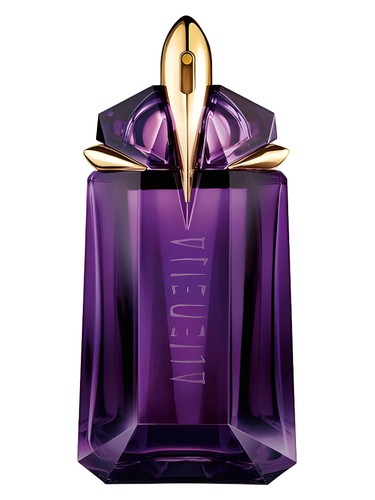
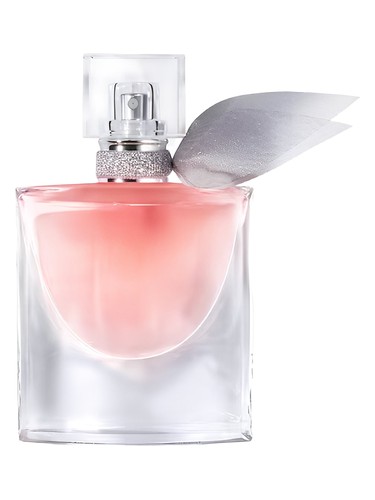
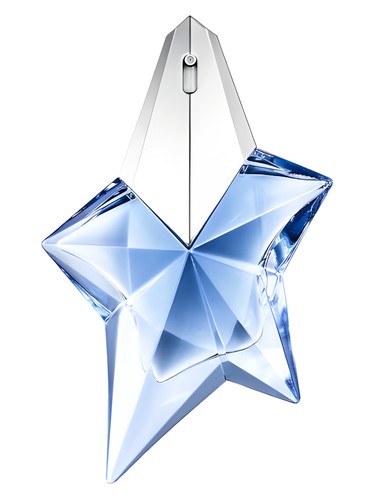
Byblos sits comfortably among the heavyweight fruity-florals of its era and beyond. Its kinship with Givenchy''s Amarige (1991) and Lancôme''s Trésor (1990) places it squarely in the opulent floral category that defined early ''90s femininity. The connection to Jean Paul Gaultier''s Classique (1993) and Dior''s Poison (1985) suggests shared DNA in unapologetic sweetness and presence, while similarities to Cacharel''s Anais Anais (1978) hint at the powdery white floral heritage.
What distinguishes Byblos is its tropical fruit opening—more pronounced than Trésor''s apricot-rose romance, fruitier than Amarige''s floral intensity. It occupies a middle ground: sweeter than Anais Anais, lighter than Poison, less mainstream than any of them, which is both its charm and perhaps its commercial challenge.
The Bottom Line
Byblos is a well-executed example of early ''90s fruity-floral perfumery that deserves more attention than it currently receives. The 3.93 rating reflects its quality: this is a professionally composed fragrance with genuine character, even if it doesn''t break new ground. For vintage fragrance lovers seeking something less ubiquitous than the era''s blockbusters, Byblos offers excellent value and a legitimate piece of perfume history from an iconic Italian fashion house.
Who should try it? Anyone curious about the evolution of fruity-florals, collectors of ''90s fragrances, or those seeking a cheerful, uncomplicated warm-weather scent with genuine personality. It won''t change your life, but on a sunny spring morning, it might just make you smile—and sometimes, that''s exactly enough.
AI-generated editorial review