First Impressions
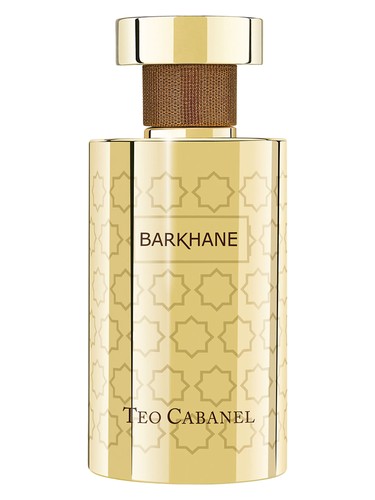
The first spray of Barkhane transports you immediately—not to a perfume counter, but to somewhere far more visceral. This is Teo Cabanel''s 2013 homage to the sweeping sand dunes of the Sahara, and it announces itself with the kind of confidence that either captivates or overwhelms. The Calabrian bergamot offers only the briefest citrus greeting before the composition plunges headlong into its spice-laden heart. There''s no gradual transition here, no polite small talk. Barkhane makes its intentions clear from the outset: this is an amber fragrance that refuses to play it safe.
The name itself—referring to crescent-shaped sand dunes sculpted by desert winds—hints at the fragrance''s shape-shifting nature. What begins as bright and almost familiar quickly morphs into something altogether more exotic, more challenging, more divisive.
The Scent Profile
Barkhane''s opening bergamot serves more as a mirage than a destination, a fleeting shimmer before the real journey begins. Within moments, the heart reveals itself with an audacious pairing: curry tree and cumin. This is where Barkhane earns its reputation as a bold oriental. The curry tree lends a green, almost herbaceous spice that''s distinctly savory, while cumin adds its earthy, warm pungency. Geranium attempts to mediate between these assertive elements, its rosy-green facets providing some traditional floral grounding, but make no mistake—this heart is decidedly unconventional.
The spice accord here walks a fine line. For some, it evokes exotic bazaars and spice merchants; for others, it veers uncomfortably close to culinary territory. The fresh spicy and warm spicy accords (registering at 48% and 70% respectively) create a complex heat that''s more intricate than simple cinnamon or pepper heat—it''s layered, almost savory, and undeniably polarizing.
The base is where Barkhane finds its anchor and its soul. A rich tapestry of myrrh and labdanum creates the resinous amber backbone that dominates the composition at 100%. Tonka bean and vanilla (the latter prominent at 55%) soften the edges without sweetening excessively, while agarwood, patchouli, vetiver, and musk add depth and shadows to what could otherwise become cloying. The woody accord (43%) keeps the vanilla from becoming dessert-like, grounding the sweetness in something more austere and architectural.
This is an amber fragrance that reveals its aromatic character (49%) throughout its development—there''s a medicinal, almost ascetic quality to the resins that prevents the composition from becoming purely hedonistic.
Character & Occasion
The data tells a clear story: Barkhane is a cold-weather companion through and through. With fall scoring 100% and winter at 98%, this is decidedly not a fragrance for humidity or heat. The 9% summer rating should be taken as a warning—those spices and heavy resins can become suffocating when temperatures rise.
Interestingly, Barkhane straddles the day-night divide almost equally (76% day, 74% night), suggesting versatility despite its intensity. This makes sense given its character: the spice-forward nature feels appropriate for daytime wear in colder months—think autumn office days or winter shopping—while the rich amber and oud base transitions seamlessly into evening territory.
This is marketed as a feminine fragrance, but its composition challenges traditional gender boundaries. The robust spice blend and woody-resinous base have a unisex appeal that might attract anyone drawn to complex orientals. Those accustomed to lighter, fruitier fragrances will find Barkhane a significant departure. This is for the adventurous, for those who appreciate perfumery as an art form rather than a simple accessory.
Community Verdict
Here''s where things get interesting—or rather, conspicuously silent. Despite receiving 510 votes with a respectable 4/5 rating on fragrance databases, Barkhane appears to fly under the radar in broader community discussions. The Reddit fragrance community data reveals essentially no conversation about this scent, with the provided discussions focusing instead on other niche houses entirely.
This absence is telling in its own way. Barkhane hasn''t generated the passionate discourse that surrounds many modern niche releases. Whether this represents quiet appreciation from a devoted few or a general lack of awareness is unclear. The mixed sentiment score of 0/10 from community analysis suggests neither strong advocacy nor vocal criticism—just relative obscurity.
The 4/5 rating based on 510 votes indicates solid appreciation from those who have tried it, but the lack of detailed community pros and cons suggests it hasn''t captured the collective imagination the way some fragrances do.
How It Compares
Barkhane sits in distinguished company. Its similarity to Serge Lutens'' Ambre Sultan is perhaps most relevant—both explore amber through an unconventional, spice-heavy lens. The comparison to Chanel''s Coromandel hints at shared DNA in the patchouli-incense territory, while Guerlain''s Spiritueuse Double Vanille suggests kinship in the vanilla-forward base.
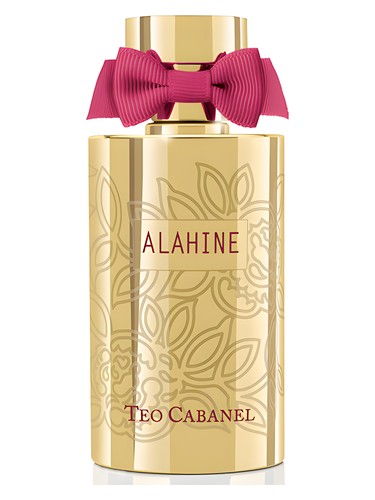
Within Teo Cabanel''s own line, it''s noted as similar to Alahine, indicating a house style that favors rich, resinous orientals. The Coco Eau de Parfum comparison positions it within the classic oriental tradition, though Barkhane ventures into spicier, more challenging territory than Chanel''s iconic offering.
The Bottom Line
Barkhane is a fragrance that demands consideration rather than casual sampling. That 4/5 rating from 510 voters tells us it''s quality work—well-constructed, distinctive, and satisfying to those it resonates with. But the near-absence of community buzz suggests it may require the right wearer to truly shine.
If you''re drawn to amber fragrances but tired of the same honey-sweet formulas, Barkhane offers an alternative path—one paved with curry leaves and cumin rather than vanilla and flowers. Its versatility across day and night in cold weather makes it practical despite its intensity. However, that adventurous spice blend in the heart won''t appeal to everyone. Sample before committing, ideally in autumn or winter when the composition can breathe properly.
For those who find their calling in this sandy, spiced landscape, Barkhane offers a journey worth taking—complex, challenging, and ultimately rewarding. Just don''t expect it to be easy.
AI-generated editorial review