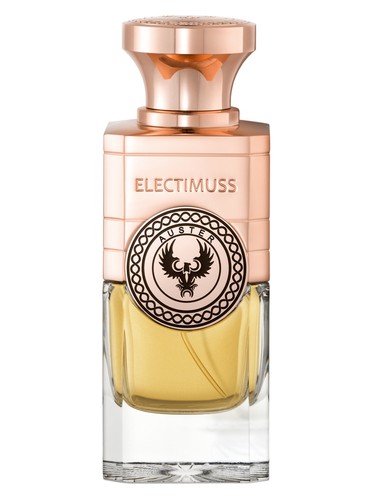
First Impressions
The first spray of Auster feels like stepping into a wind-swept spice market at dusk. There''s an immediate jolt of star anise—not the subtle whisper you might expect from a feminine fragrance, but a confident, almost confrontational burst of licorice-tinged warmth. The lemon accompanying it isn''t your typical citrus brightness; instead, it cuts through the anise like a blade of cold light through aromatic smoke, creating an opening that''s simultaneously refreshing and intensely spiced. This is Electimuss declaring its intentions from the outset: Auster may be marketed as feminine, but it speaks in a dialect more commonly associated with bold masculine orientals.
The name itself—Auster, the Roman god of the south wind—proves prophetic. This is a fragrance that moves, that shifts, that carries something primal and untamed within its carefully composed structure.
The Scent Profile
That striking anise-lemon prologue quickly gives way to a heart that deepens the spice narrative rather than softening it. Geranium arrives with its rosy-minty character, but here it serves as an aromatic bridge rather than a floral centerpiece. It''s the cloves, however, that truly define Auster''s middle phase. Warm, slightly sweet, with that characteristic numbing quality that makes you want to smell your wrist again and again, the cloves interweave with the geranium to create something both medicinal and comforting—like a remedy you''d actually want to take.
This heart phase reveals the fragrance''s complexity. The accord breakdown tells the story: 100% warm spicy, 79% woody, 71% aromatic. These aren''t competing elements but rather layers of the same geological formation, each supporting and amplifying the others.
The base is where Auster finds its grounding. Patchouli—that polarizing note that can make or break a fragrance—appears here in its most refined form. It''s earthy without being dirty, rich without overwhelming. The ambergris adds a subtle marine salinity and a diffusive warmth that keeps the entire composition from becoming too dry or terrestrial. Cedar provides the woody backbone, a quiet strength beneath the more vocal spice elements. Together, this base creates remarkable longevity and a skin-scent phase that''s surprisingly intimate given the boldness of the opening.
Character & Occasion
The community data reveals Auster''s true calling: this is an autumn and winter stalwart, with 100% and 93% seasonal ratings respectively. And it makes perfect sense. This is a fragrance for when the air turns crisp, when you want your scent to be an invisible cashmere wrap, when you need warmth that comes from within rather than from the sun.
Spring receives a respectable 72% rating, suggesting Auster can transition into cooler spring days, but the 33% summer score tells you everything you need to know—save this one for when the temperature drops. The spice intensity and patchouli presence would likely feel suffocating in genuine heat.
The day/night split (73% day, 88% night) is particularly revealing. While Auster certainly works during daylight hours, it truly comes alive after dark. This is a dinner reservation fragrance, a theater opening scent, a first date perfume for someone who wants to be remembered. The evening darkness seems to amplify its warmth and mystery, allowing the more complex base notes to bloom without competition from natural light and fresh air.
Though labeled feminine, the comparison fragrances—Layton, Jubilation XXV Man, Interlude Man—suggest Auster occupies that increasingly popular unisex territory where "feminine" is more about marketing than actual character. Anyone drawn to warm, spiced orientals will find something to love here.
Community Verdict
With a 4.01 out of 5 rating from 348 votes, Auster has established itself as more than a curiosity from a relatively young British niche house. This is a legitimately well-regarded fragrance with a solid community behind it. That rating suggests consistent performance and broad appeal within its target audience—those who seek out spiced, woody orientals aren''t being disappointed.
The vote count itself indicates Auster has moved beyond insider-only status while remaining far from mainstream ubiquity. You''re unlikely to encounter someone else wearing it at any given event, which for many perfume lovers is part of the appeal.
How It Compares
The listed similarities place Auster in distinguished company. Nishane''s Ani shares that bold spice-forward approach, while Tauer''s L''Air du Desert Marocain operates in the same atmospheric, evocative territory. The comparisons to Layton, Jubilation XXV Man, and Interlude Man—all powerhouse masculines—underscore what makes Auster interesting: it takes the structural backbone of these acclaimed fragrances and offers them in a composition marketed to women who refuse to be pigeonholed by conventional feminine tropes.
Where Auster distinguishes itself is in the star anise opening, which gives it a more distinctive signature than some of its comparisons, and in the ambergris base, which adds a saline sophistication not always present in the woody-spicy category.
The Bottom Line
Auster represents exactly what niche perfumery should be: confident, well-crafted, and willing to challenge categorical boundaries. At 4.01/5, it''s not perfect—perhaps that opening anise blast is too much for some, or the patchouli prominence divides opinion—but it''s very good at what it does.
This is a fragrance for the person who describes their style as "editorial," who owns at least one leather jacket, who considers "too much" a compliment rather than a criticism. If your idea of a feminine fragrance stops at florals and fruit, Auster will feel foreign. But if you''ve been searching for something that wraps you in warmth without sacrificing sophistication, that turns heads without screaming for attention, this South Wind deserves to blow through your collection.
AI-generated editorial review