First Impressions
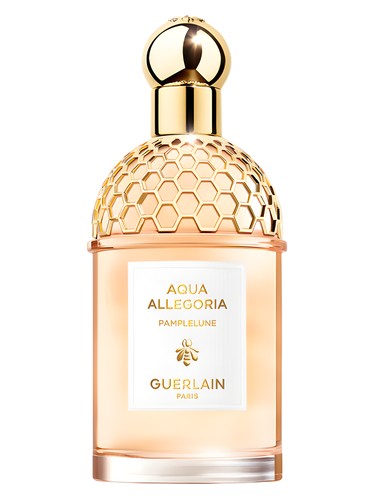
The first spray of Pamplelune is an unapologetic citrus blast—tart, effervescent grapefruit flesh married with bergamot''s aristocratic brightness. This is Guerlain at its most carefree, a departure from the house''s opulent heritage into sun-drenched Mediterranean groves. That opening burst feels like biting into pink grapefruit at breakfast, juice running down your chin, all bitter pith and tangy sweetness competing for attention. It''s immediate, assertive, and completely transparent about its intentions. But here''s where things get interesting: what happens next depends entirely on the chemistry lab that is your skin.
The Scent Profile
Pamplelune''s architecture is deceptively simple, built on a foundation of grapefruit and bergamot that dominates the composition from start to finish. The citrus accord registers at maximum intensity, and it''s this single-minded focus that makes the fragrance both compelling and, for some, problematic.
As the opening settles, the heart reveals its complexity through cassia, petitgrain, and neroli. The cassia brings a fresh-spicy warmth that tempers the citrus sharpness—think of cinnamon''s lighter, more aromatic cousin adding depth without sweetness. Petitgrain contributes a green, slightly bitter edge that enhances the grapefruit''s natural astringency, while neroli whispers orange blossom elegance into the blend. This aromatic-green heart phase is where Pamplelune either blossoms into something beautiful or takes a turn toward the unfortunate.
The base attempts to ground all this brightness with patchouli and vanilla, though calling them "base notes" feels generous given the fragrance''s overall ephemeral nature. The patchouli adds an earthy-woody backbone, while vanilla provides the gentlest suggestion of sweetness—more like the memory of sweetness than the thing itself. When everything aligns, this creates a sophisticated citrus fragrance with just enough complexity to avoid cologne territory. When it doesn''t align, well, that''s another story entirely.
Character & Occasion
The data tells a clear story: Pamplelune is a summer fragrance first and foremost, with spring as a strong secondary season. Fall and winter? Forget it. This is a scent that demands heat, sunshine, and casual settings. The day-versus-night split (99% day, 11% night) confirms what the nose already knows—this is morning coffee and linen shirts, not evening wear.
For those blessed with compatible skin chemistry, it''s an ideal office companion during warm months. The citrus-aromatic profile reads fresh and clean without overwhelming, walking that fine line between presence and politeness. It skews feminine in marketing but wears decidedly unisex in practice, thanks to that bitter grapefruit and green-spicy character that avoids anything overtly floral or sweet.
Think casual summer Saturdays, outdoor brunches, beach cover-ups over swimsuits. This isn''t a fragrance with ambitions of complexity or dramatic evolution—it''s meant to be an easy-wearing citrus companion for daytime life.
Community Verdict
Here''s where we need to talk about the elephant in the room: Pamplelune is deeply divisive, earning a mixed sentiment score of 5.5 out of 10 from the community. That 3.96 rating across 4,502 votes masks a profound split in experiences.
For the fortunate ones, Pamplelune delivers a beautiful, bright, tangy grapefruit experience—exactly what''s promised. They praise its wearability, its unisex appeal, and its relatively affordable entry point into the Aqua Allegoria line. These are the citrus lovers who''ve found their daily signature.
But the criticism is pointed and consistent. Longevity clocks in at just 4-6 hours for most wearers, which is modest even for an eau de toilette concentration. More concerning are the reports of skin chemistry disasters: descriptions of sweaty socks, rotting fruit, and unpleasant chemical notes during the drydown appear repeatedly. For these wearers, what starts as promising grapefruit devolves into something genuinely off-putting within the first hour.
The consensus? This is skin chemistry Russian roulette. The moderate performance doesn''t help—when a fragrance only lasts half a workday and smells questionable on your particular skin, that''s a hard sell at any price point.
How It Compares
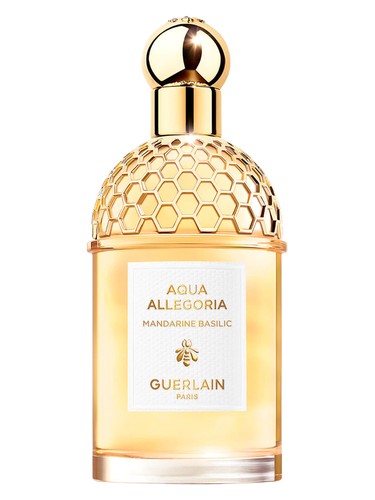
Within Guerlain''s own Aqua Allegoria line, Pamplelune shares DNA with Mandarine Basilic and Herba Fresca—all citrus-forward summer scents with similar longevity limitations. In the broader landscape, it competes with Hermès Un Jardin Sur Le Nil for green-citrus territory and sits in the same casual-fresh category as Dolce & Gabbana''s Light Blue, though with more bitter edge and less mass appeal. The mention of Coco Mademoiselle in similar fragrances seems odd until you consider both share that citrus-patchouli framework, though they take it in vastly different directions.
The Bottom Line
Pamplelune presents a peculiar challenge: how do you recommend a fragrance that''s perfect for some and unwearable for others, with no way to predict which camp you''ll fall into? The 3.96 rating suggests more hits than misses, but those misses are spectacular failures.
If you''re a citrus devotee, sampling is non-negotiable—don''t blind buy. Wear it for a full day on your skin before committing. If it works, you''ve found an affordable, refreshing summer staple with genuine grapefruit authenticity. If it turns, you''ll know within an hour, and no amount of projection or compliments will matter when you smell rotting fruit on yourself.
The value proposition is there for compatible wearers. For incompatible ones, even a bargain price can''t justify a fragrance that makes you want to scrub your skin. Know thyself—and thy skin chemistry—before taking the Pamplelune plunge.
AI-generated editorial review