First Impressions
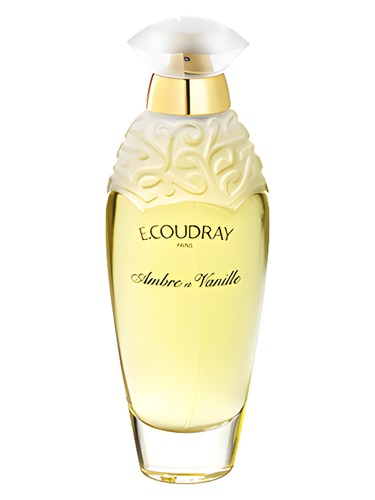
The first spray of Ambre et Vanille transports you to a Parisian perfumery counter in 1935, when E. Coudray first introduced this composition. There''s an immediate contradiction here—one that makes this fragrance endlessly fascinating. Your nose catches the bright, sunny burst of citrus oils: bergamot dancing with bitter orange and its sweeter sibling, all lifted by ylang-ylang''s tropical richness. But underneath, even from those opening seconds, you sense the weight of what''s coming. This isn''t a simple vanilla scent wearing a citrus disguise. It''s a fully realized amber-vanilla composition that simply chooses to announce itself with sunlight before settling into its deeper, more contemplative character.
The powdery quality emerges almost immediately, that talc-like softness that speaks to the fragrance''s pre-war heritage. Modern perfumery often shies away from this accord, deeming it too vintage, too matronly. Ambre et Vanille wears it proudly, a reminder that some aesthetic choices transcend trend cycles.
The Scent Profile
The citrus opening—bergamot, sweet orange, and bitter orange forming a triumvirate with ylang-ylang—feels almost like a palate cleanser, preparing your senses for the richness ahead. These top notes are fleeting but purposeful, their 37% presence in the overall accord profile providing just enough brightness to prevent the composition from feeling heavy from the start.
As the fragrance settles into its heart, the architecture becomes clear. Tonka bean arrives with its characteristic almond-like sweetness, immediately embracing the heliotrope''s powder-soft floralcy. Then comes cinnamon, not as a sharp spice bomb but as a warm undercurrent, accounting for that 34% warm spicy accord. The iris adds a lipstick-like elegance, that slightly rooty, earthy-floral quality that keeps the sweetness from becoming cloying. This middle phase is where Ambre et Vanille reveals its complexity—it''s sweet, yes, but textured, layered, contemplative.
The base is where this fragrance lives most fully. Vanilla dominates at 100% of the accord profile, but this isn''t a simple vanilla extract situation. The amber (58%) provides resinous warmth and golden depth, while patchouli grounds everything with its earthy, slightly medicinal presence. The interplay creates that distinctive powdery sweetness (56% powdery accord) that defines the wearing experience. This is vanilla viewed through an amber lens, or perhaps amber softened by vanilla''s embrace—the marriage is so complete that separating the two becomes an academic exercise.
Character & Occasion
The community data tells a clear story: this is a cold-weather companion. Winter scores 100% and fall follows closely at 95%, while summer limps in at a mere 17%. Makes perfect sense when you''re wrapped in this much vanilla and amber. The warmth, the density, the almost edible sweetness—these elements shine when there''s a chill in the air to contrast against them.
Interestingly, the day/night split (76% day, 61% night) suggests impressive versatility. This isn''t a fragrance that demands evening wear despite its richness. The powdery quality and that citrus opening make it perfectly appropriate for daytime winter and fall wear—think cashmere sweaters, coffee shops with steamed windows, afternoon museum visits. The vanilla is present but restrained enough for professional settings, especially given the fragrance''s vintage DNA, which tends toward sophistication rather than dessert-counter literalism.
This is decidedly a feminine fragrance in its construction and marketing, though the amber and patchouli provide enough depth that confident wearers of any gender could carry it off. The powdery-sweet profile skews toward those who appreciate classic French perfumery rather than contemporary minimalism.
Community Verdict
A 4.04 out of 5 rating from 389 votes represents solid approval, particularly impressive for a fragrance approaching its ninth decade. This isn''t a niche darling with 50 devoted fans inflating the score—nearly 400 people have weighed in, and the consensus is clearly positive. The rating suggests a fragrance that delivers on its promises without quite achieving masterpiece status. Some may find it too sweet, too powdery, or too vintage in its sensibility, but those who connect with it seem to genuinely appreciate what it offers.
How It Compares
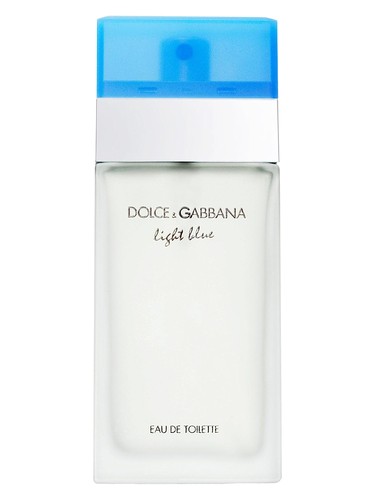
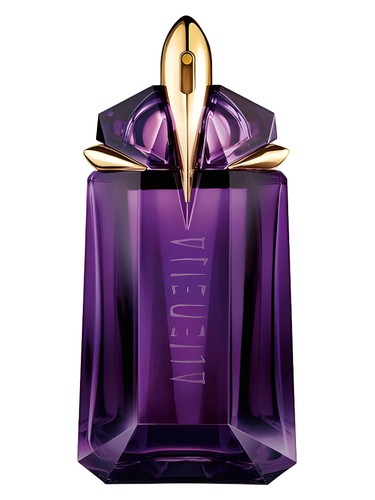
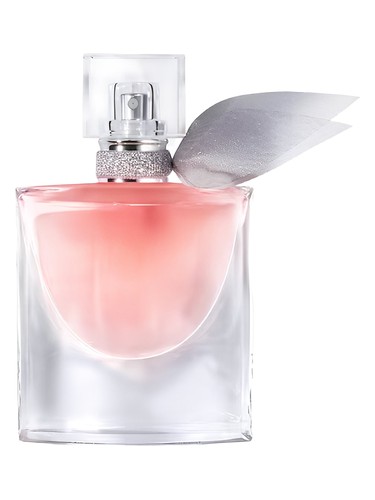
The similar fragrances list reads like a who''s-who of oriental-vanilla classics: multiple Guerlain Shalimar variations, L''Heure Bleue, Chopard''s Casmir, and Lalique Le Parfum. This company alone tells you where Ambre et Vanille sits—in the lineage of sophisticated French vanilla-amber compositions that prioritize elegance over trendiness.
Compared to Shalimar''s more assertive vanilla-leather profile, Ambre et Vanille feels softer, more approachable. Next to L''Heure Bleue''s anisic powder, it''s sweeter and less complex. It occupies a middle ground: vintage in spirit but more wearable than some of its predecessors, less challenging than Shalimar while more interesting than straightforward vanilla comfort scents.
The Bottom Line
Ambre et Vanille deserves its 4.04 rating. It''s a fragrance that does exactly what it promises—delivers beautiful vanilla and amber in a composition that honors its 1935 origins while remaining wearable today. The citrus opening prevents monotony, the powdery heart adds sophistication, and the vanilla-amber base provides that enveloping warmth that makes cold-weather perfume wearing such a pleasure.
Should you try it? If you''ve ever loved Shalimar but wished it were gentler, or if you appreciate vintage powder but want it wrapped in gourmand warmth, absolutely. If you''re looking for an interesting alternative to modern vanilla scents—something with heritage and complexity—this delivers. It won''t revolutionize your collection, but it will provide reliable, elegant comfort when temperatures drop. For those who value perfumery history and classic French composition, E. Coudray''s Ambre et Vanille remains a worthy exploration nearly 90 years after its creation.
AI-generated editorial review