First Impressions
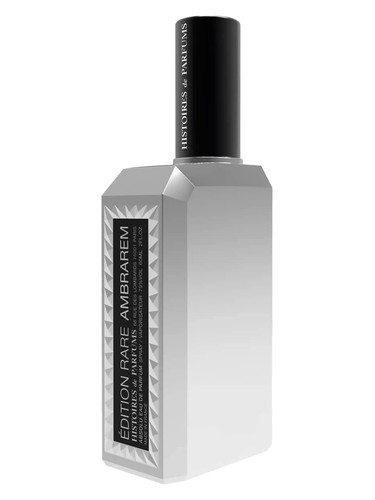
The first spray of Ambrarem is nothing short of audacious. Released in 2011 when the oud wave was just cresting in Western perfumery, Histoires de Parfums created something deliberately provocative: a feminine fragrance built on a foundation of leather so dominant it registers at full intensity in its accord profile. The opening resin of elemi mingles with pink pepper''s metallic bite, creating an introduction that feels more like stepping into a Moroccan leather souk than a traditional women''s fragrance counter. This isn''t shy. This isn''t demure. This is a fragrance that announces itself with the confidence of someone who has nothing to prove and everything to show.
The Scent Profile
Ambrarem''s journey begins with elemi and pink pepper—a combination that provides both brightness and edge. Elemi, that lemony-piney resin, offers a sharp, almost medicinal clarity, while pink pepper adds its characteristic whisper of spice without overwhelming sweetness. It''s a brief overture, really, because the heart wastes no time asserting itself.
The core of this fragrance is where things get genuinely interesting. Agarwood (oud) joins forces with iris and saffron to create something that shouldn''t work on paper but sings on skin. The oud here isn''t the barnyard funk of traditional Middle Eastern attars, nor is it the sanitized "oud" of many Western interpretations. It occupies a middle ground—woody, slightly animalic, with that characteristic medicinal edge that defines quality oud. The iris brings its signature powdery rootiness, creating an intriguing textural contrast against the oud''s darkness. Saffron threads through both, adding warmth and a subtle metallic quality that amplifies the leather impression beginning to emerge.
As Ambrarem settles into its base, the composition reveals its true architecture. Amber and castoreum form the leather accord that dominates this fragrance''s personality. It''s not the clean, modern leather of a luxury handbag—this is something more primal, more lived-in. Castoreum brings an animalic depth that walks the line between sensual and challenging. Vanilla softens the edges just enough to prevent harshness, while sandalwood provides creamy woodiness that bridges all these intense elements. The result is simultaneously powdery and smoky, refined and raw.
Character & Occasion
The data tells an unambiguous story: Ambrarem is a cold-weather companion. With winter scoring at maximum intensity and fall close behind at 88%, this is emphatically not a fragrance for humid weather. Spring sees only modest appropriateness at 24%, while summer barely registers at 10%. This makes perfect sense—the dense layering of leather, oud, and amber needs the cold to breathe properly. In heat, this would be overwhelming; in winter''s crisp air, it becomes enveloping.
Interestingly, while marketed as feminine, Ambrarem performs beautifully across gender boundaries. The leather-woody-oud axis reads more unisex than the "feminine" label might suggest, though the iris powder and vanilla softness do provide traditionally feminine touchstones. The day/night split reveals another dimension: while it''s certainly wearable during daylight hours (56%), it truly comes alive after dark (83%). This is the scent for evening events where you want to leave an impression—gallery openings, dinner reservations, late autumn walks when the temperature drops and the air smells like wood smoke.
This fragrance demands confidence. It''s not for someone testing the waters of niche perfumery; it''s for the person ready to dive in. The powdery accord at 83% prevents it from being unwearably aggressive, but make no mistake—at 100% leather intensity with significant woody and oud presences, Ambrarem has substantial presence.
Community Verdict
With a rating of 3.97 out of 5 from 334 votes, Ambrarem sits comfortably in "very good" territory without quite reaching cult classic status. This rating feels appropriate for a fragrance this polarizing—some will find it captivating, others overwhelming. The relatively healthy vote count suggests genuine interest rather than obscurity, while the near-four-star rating indicates that those who seek it out generally appreciate what they find. This isn''t a crowdpleaser, and it doesn''t try to be. The rating reflects a composition that knows its audience and serves them well, even if it won''t convert skeptics.
How It Compares
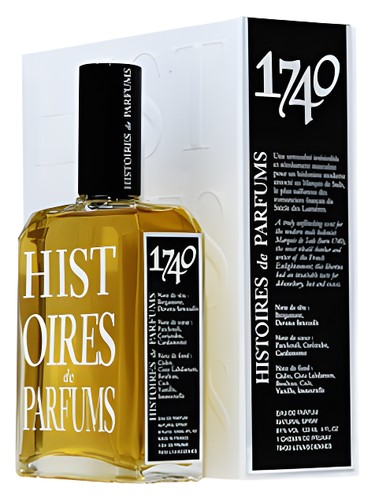
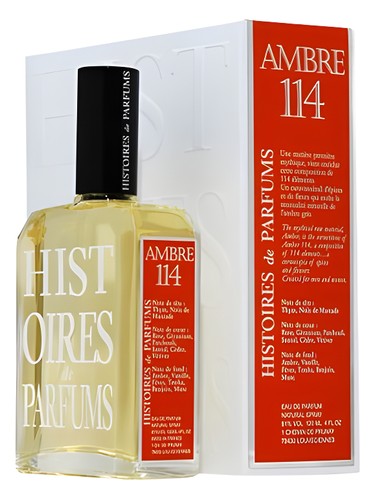
The similarity list reads like a who''s-who of serious, dark orientals: Epic Man and Interlude Man from Amouage, Tom Ford''s Oud Wood, and siblings within the Histoires de Parfums line including 1740 Marquis de Sade and Ambre 114. It''s telling that several comparisons are masculine fragrances—Ambrarem occupies that boundary-pushing space where gender categories become less relevant than compositional intent.
Where Oud Wood leans woody and smooth, Ambrarem emphasizes leather and powder. Against the Amouage comparisons, it holds its own with less incense smoke but more animalic depth. Within its own house, it''s notably bolder than Ambre 114, with the addition of castoreum and oud pushing it into more adventurous territory.
The Bottom Line
Ambrarem succeeds at being exactly what it sets out to be: an unapologetically bold oriental leather with serious oud presence, wrapped in just enough powder and vanilla to remain wearable. At 3.97 stars, it''s well-regarded by those who''ve experienced it, though it won''t appeal to everyone—nor should it.
This is a fragrance for collectors seeking something distinctive in the feminine-marketed leather category, for oud lovers who want powder alongside their darkness, or for anyone ready to challenge conventional ideas about women''s perfumery. If you find yourself drawn to the scents on its similarity list, Ambrarem deserves a spot on your sampling list. Just save it for when the temperature drops and you''re ready to make an impression that lingers long after you''ve left the room.
AI-generated editorial review