First Impressions
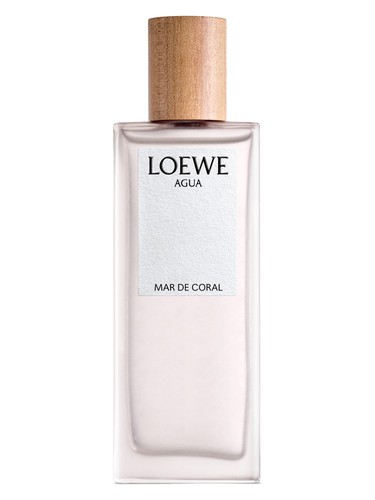
The first spray of Agua de Loewe Mar de Coral feels like diving into the Mediterranean at sunrise—that precise moment when the water is still cool, the air carries a saline freshness, and citrus groves on distant hills release their morning aromatics. This 2015 release doesn't whisper; it announces itself with an exuberant burst of citrus that's surprisingly complex. Where many summer fragrances rely on simple lemon-lime brightness, Mar de Coral orchestrates an entire citrus symphony: the bitterness of pomelo, the tart sweetness of yuzu, the sunny optimism of mandarin orange, all underscored by an unexpected green tomato leaf accord that keeps things from veering into generic territory. There's mint too, but it's not toothpaste-fresh—it's the crushed herb between your fingers, green and slightly peppery, adding an aromatic dimension that the 43% aromatic accord rating confirms as integral to the fragrance's character.
The Scent Profile
Mar de Coral's opening is nothing short of a citrus explosion, and the data backs this up with a perfect 100% citrus accord rating. But this isn't a one-dimensional zest fest. The grapefruit and lemon provide the sharp, wake-up brightness, while yuzu adds its distinctively Japanese tangy character—slightly floral, slightly herbal. The tomato leaf is the wild card here, contributing to that 38% green accord and lending an almost Mediterranean vegetable garden quality. It's the olfactory equivalent of a Caprese salad enjoyed seaside, where garden-fresh meets sun-drenched.
As the fragrance settles into its heart, the citrus bonfire dims to reveal a more refined white floral composition. Neroli takes center stage—that orange blossom distillate that manages to be both fresh and creamy simultaneously. It's joined by lily-of-the-valley's clean, slightly soapy delicacy and jasmine's subtle indolic warmth. This trio creates the 28% white floral accord, but crucially, these florals never overpower the citrus foundation. They're more like a watercolor wash over the initial sketch, adding depth and femininity without fundamentally changing the composition's breezy character.
The base is where Mar de Coral reveals its sophistication. Musk provides skin-like softness, cedar adds a whisper of woody structure, while vanilla and amber contribute warmth without heaviness. This is a restrained base—there's no attempt to transform this into an evening fragrance or extend its longevity through heavy musks or patchouli. Instead, these base notes create a subtle foundation that allows the citrus and florals to remain the stars while preventing the fragrance from disappearing entirely into that all-too-common citrus fade.
Character & Occasion
The community has spoken with remarkable clarity: this is a summer fragrance through and through, earning a perfect 100% summer rating. Spring claims 59%, which makes perfect sense for those warmer spring days when winter's heaviness feels oppressive. But fall and winter? Just 15% and 6% respectively. Mar de Coral knows what it is—a warm-weather companion without apologies.
The day versus night breakdown is equally decisive: 88% day wear, a mere 10% night. This is a morning coffee on a sun-drenched terrace fragrance, a beach club lunch scent, a breezy afternoon exploration of coastal towns. It's designed for Loewe's Spanish heritage—those long Mediterranean summers where elegance means lightness, not projection.
Who is this for? The woman who appreciates quality but rejects ostentation. Someone who wants to smell fresh and polished without announcing her presence from across the room. It's particularly well-suited to those who find most citrus fragrances too simple or too unisex and want something with a distinctly feminine lean, thanks to those white florals, while maintaining that invigorating freshness that makes citrus so appealing in heat.
Community Verdict
With 403 votes yielding a 3.94 out of 5 rating, Mar de Coral sits in that "very good" territory—not groundbreaking, but reliably excellent. This rating reflects a fragrance that does exactly what it promises without trying to be everything to everyone. The solid vote count suggests a respectable awareness, though it's not quite a cult favorite. This is actually refreshing; sometimes the best fragrances aren't the most hyped.
How It Compares
Mar de Coral shares DNA with some prestigious company. Guerlain's Aqua Allegoria Mandarine Basilic plays in a similar citrus-herb sandbox, while Hermès' Le Jardin de Monsieur Li explores that same refined-yet-fresh territory. Elizabeth Arden's Green Tea offers a more accessible, simpler take on fresh green notes, while CK One represents the unisex citrus category that Mar de Coral feminizes. Acqua di Gioia by Giorgio Armani is perhaps the closest sibling—both are upscale, feminine aquatic-citruses designed for summer sophistication.
Where Mar de Coral distinguishes itself is in that tomato leaf note and the overall Mediterranean character. It feels more European, more specifically Spanish than its comparisons, with a slightly more aromatic-fresh profile than the sweeter or more conventionally floral alternatives.
The Bottom Line
Agua de Loewe Mar de Coral is that rare thing: an honest fragrance. It doesn't promise all-day longevity it can't deliver, doesn't try to transition from beach to ballroom, and doesn't apologize for being exactly what it is—a beautiful, citrus-driven summer scent with enough sophistication to justify the Loewe name. The 3.94 rating reflects its quality; this isn't a revolutionary fragrance, but it's an exceptionally well-executed one.
Is it worth exploring? Absolutely, especially if you're building a warm-weather wardrobe and want something beyond the ubiquitous aquatics. At its likely mid-range price point for a luxury Spanish house, it represents solid value for those who'll actually wear it during its intended season. Skip it if you need projection or longevity, or if you live somewhere without a proper summer. But if you understand that sometimes the best luxury is effortless freshness, Mar de Coral deserves a place on your shelf—and on your skin when the temperature rises.
AI-generated editorial review