First Impressions
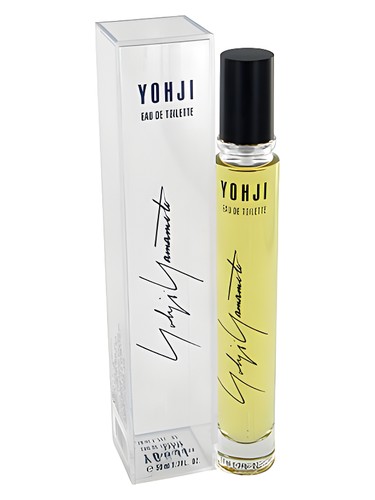
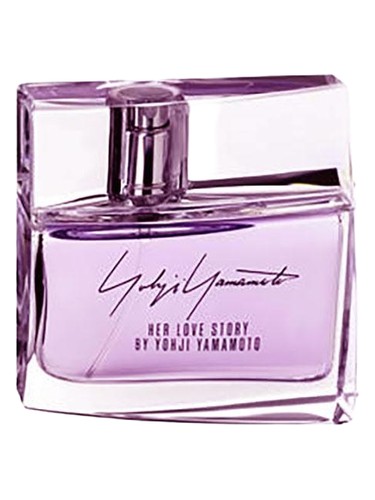
The first spray of Yohji Yamamoto Femme is an exercise in contradiction—simultaneously soft yet present, familiar yet distinctly individual. A cloud of cool pear and bergamot opens with unexpected brightness, tempered immediately by the dark sweetness of blackcurrant. It's the olfactory equivalent of Yamamoto's design philosophy: clean lines with an underlying complexity, an accessibility that doesn't sacrifice sophistication. Within moments, that powdery accord that defines this fragrance begins to emerge, casting everything in a velvety, almost talc-like softness that suggests vintage cosmetics and the kind of understated elegance that never demands attention.
The Scent Profile
The opening act is brief but memorable. Pear brings a crisp, almost aqueous sweetness that reads more textured than overtly fruity, while bergamot provides its characteristic citrus clarity. The blackcurrant adds depth and a slight tartness that prevents the introduction from becoming too saccharine. This fruity overture lasts perhaps fifteen minutes before yielding gracefully to the heart.
The transition reveals where Yohji Yamamoto Femme truly lives: in the powdery embrace of iris, jasmine, and lily-of-the-valley. The iris here is cosmetic rather than rooty—think pressed powder compacts and vintage face creams rather than the earthy, carrot-like quality that iris root can sometimes exhibit. Jasmine appears in its quieter form, providing floral support without screaming indolic intensity, while lily-of-the-valley contributes a green, dewy quality that keeps the composition from becoming too dense or heavy. This middle phase is where the fragrance's identity crystallizes: decidedly powdery, gently floral, and thoroughly refined.
The base extends the powdery theme with heliotrope's almond-vanilla softness, supported by a framework of sandalwood and cedar that provides just enough woody structure to ground all that airiness. Musk rounds everything out with skin-like warmth, creating that sought-after "your skin but better" effect. The wood notes never dominate—they remain supportive players in what is fundamentally a soft, approachable composition. This is where you understand the 72% woody accord rating: it's present, but always in service of the powdery dominant theme that sits at 100%.
Character & Occasion
Yohji Yamamoto Femme is unquestionably a daytime fragrance, a fact reflected perfectly in its 100% day versus 18% night rating. This isn't a scent that announces your arrival or leaves a trail across a crowded room. Instead, it creates an intimate aura—the kind of fragrance that rewards close encounters and quiet moments.
The seasonal data reveals its versatility: spring leads at 84%, followed closely by fall at 70%, with summer still highly wearable at 59%. Only winter lags at 38%, which makes sense given the fragrance's lighter constitution and moderate projection. In spring, the pear and florals feel perfectly aligned with blooming gardens; in fall, the woody base and heliotrope provide just enough warmth; summer benefits from that lily-of-the-valley freshness and powdery finish that doesn't suffocate in heat.
This is office-appropriate perfumery at its finest—professional without being boring, feminine without resorting to clichés, noticeable without being intrusive. It suits someone who appreciates subtlety, who understands that power doesn't always announce itself loudly.
Community Verdict
With a rating of 3.9 out of 5 based on 665 votes, Yohji Yamamoto Femme has earned solid respect rather than cult devotion. This is a respectable score that suggests consistent quality and broad appeal, though perhaps not the transformative uniqueness that pushes fragrances into the 4.5+ stratosphere. The substantial vote count indicates this isn't a hidden gem but rather a well-explored option that has found its audience—those who appreciate its refined, powdery character rather than seeking groundbreaking innovation.
The rating likely reflects what this fragrance is: very well-executed within its category, but not boundary-pushing. It's the kind of scent that rarely disappoints but might not inspire passionate devotion. For many wearers, that consistency and reliability is exactly what makes it valuable.
How It Compares
The similar fragrances list reveals interesting company: Lacoste Pour Femme, Narciso Rodriguez For Her, Noa by Cacharel, Hypnotic Poison, and Light Blue. What unites these seemingly diverse options is a thread of powdery-musky-woody femininity with varying degrees of sweetness and freshness.
Where Narciso Rodriguez For Her focuses more intensely on musk, and Hypnotic Poison veers into gourmand territory with vanilla, Yohji Yamamoto Femme occupies a middle ground—powdery but not chalky, fruity but not candy-sweet, woody but not austere. It's perhaps closest to Noa in its softness and approachability, though the iris presence here is more pronounced. Among these peers, it distinguishes itself through balance rather than extremity.
The Bottom Line
Yohji Yamamoto Femme isn't trying to be everything to everyone, and that restraint is part of its appeal. This is a fragrance for those who've moved past the need to make a statement with their scent, who appreciate quality and wearability over novelty. The 3.9 rating shouldn't be read as "merely good"—in a market oversaturated with releases, a score approaching 4.0 with over 600 votes indicates a fragrance that consistently delivers on its promise.
Its greatest strength is also its potential limitation: this extreme wearability and softness might leave those seeking intensity or uniqueness wanting more. Projection is moderate, longevity respectable but not exceptional. But for daytime wear across three seasons, for professional settings, for moments when you want to smell polished and present without overwhelming, it excels.
If you're drawn to powdery iris fragrances, appreciate minimalist aesthetics translated to scent, or simply need a reliable daytime option that feels quietly elegant rather than aggressively pretty, Yohji Yamamoto Femme deserves your attention. It's not revolutionary, but revolution isn't always the goal. Sometimes, quiet mastery is enough.
Critique éditoriale générée par IA