Premières Impressions
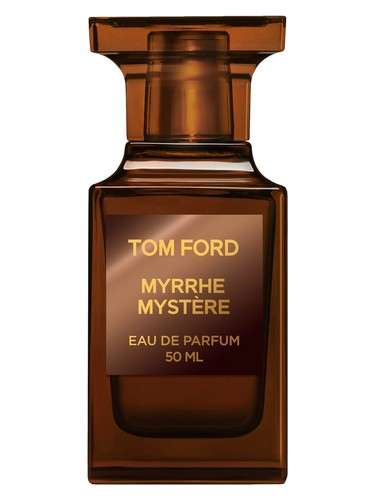
Le premier vaporisateur de Myrrhe Mystère vous enveloppe dans une brume dorée de chaleur résineuse. L''ajout 2023 de Tom Ford à la collection Private Blend s''annonce non pas avec fracas, mais avec un murmure confiant—celui qui vient de savoir exactement ce qu''on est. C''est l''ambre à plein volume, se présentant comme un accord dominant à 100 % qui forme l''épine dorsale de tout ce qui suit. La douceur poudrée arrive presque simultanément, adoucissant la netteté potentielle de l''ambre en quelque chose de plus accessible, plus tactile. Il y a une sensation immédiate de chaleur ici, des notes épicées se tissant à travers cette résine dorée comme de la fumée d''encens dans l''air d''une cathédrale.
Le Profil Olfactif
Sans notes de tête, de cœur ou de base spécifiées dans la description officielle, Myrrhe Mystère se révèle à travers son architecture d''accords—et quelle architecture c''est. La fondation d''ambre est omniprésente, mais jamais monotone. À 66 %, les accords poudrés et épicés chauds créent un double caractère qui oscille entre doux et stimulant. La poudre n''est pas la jolie poudre de maquillage de certains orientaux ; elle est plus sèche, plus évocatrice de résines anciennes réduites en poussière.
Au fur et à mesure que le parfum se stabilise, la vanille émerge à 59 %—non pas la douceur de cupcake qui domine les sorties contemporaines, mais une vanille plus retenue, presque fumée, qui ajoute de la profondeur plutôt que du dessert. Les qualités balsamiques (58 %) renforcent la nature résineuse de la composition, créant cette qualité caractéristique médicinale-rencontre-sacrée que la myrrhe apporte à tout mélange. Les observations communautaires notent un jeu intéressant entre la myrrhe et le bois de santal fumé, suggérant des éléments boisés (confirmés à 53 %) qui ancrent les composants plus sucrés et empêchent la composition de flotter trop loin en territoire gourmand.
L''effet global est enveloppant et chaleureux sans être cloying, complexe sans être chaotique. C''est un parfum qui semble rayonner de la peau plutôt que de se projeter agressivement, créant une sphère intime de parfum qui récompense les rencontres rapprochées.
Caractère et Occasion
Myrrhe Mystère se positionne comme un parfum toutes saisons, et l''équilibre des accords soutient cette polyvalence. La chaleur ambre-vanille pourrait théoriquement traverser les mois d''hiver, tandis que les éléments poudrés l''empêchent de devenir oppressant pendant les saisons de transition. Cela dit, la profondeur et la richesse de cette composition pourraient sembler substantielles pendant la chaleur estivale—ce n''est pas un parfum qui disparaît en arrière-plan.
Intéressamment, il n''y a pas de désignation claire jour ou nuit dans les données, suggérant que Tom Ford l''envisage comme un parfum signature polyvalent. La réalité, cependant, c''est que la richesse et le formalisme de la composition penchent vers le soir. C''est un parfum pour les moments réfléchis : réservations au restaurant, vernissages, réunions intimes où la proximité compte. C''est résolument féminin dans son marketing, bien que la structure ambre-boisée-balsamique pourrait facilement transcender les frontières de genre pour ceux qui apprécient les orientaux résineux.
Verdict Communautaire
C''est ici que l''ambre miellée devient amère. La communauté r/fragrance a rendu un verdict brutal, avec un sentiment ne dépassant que 2,5 sur 10—un contraste frappant avec la note plus générale de 3,88/5 de 1 051 votants. La divergence raconte une histoire : tandis que les échantillonneurs occasionnels le trouvent assez agréable, la communauté des parfums dédiée voit quelque chose de plus troublant.
L''éléphant dans la pièce—ou plutôt, l''étiquette de prix de 400 $ sur le flacon de 50 ml—domine chaque conversation. Plusieurs membres de la communauté décrivent le prix comme « injustifiable », « indéfendable », et un signe de la « stratégie de prix agressive » de Tom Ford qui éloigne activement les clients. Le consensus n''est pas que Myrrhe Mystère sent mauvais ; c''est qu''il ne sent pas assez révolutionnaire pour justifier ce qui équivaut à 8 $ par millilitre.
Le parfum a des défenseurs parmi les fidèles existants de Tom Ford qui apprécient l''esthétique de la maison et trouvent de la valeur dans la composition de myrrhe et de bois de santal fumé. Certains notent que les tailles de flacon plus grandes offrent des économies modestes par ml, bien que cela nécessite un investissement initial encore plus important. Mais même les commentaires positifs sont tempérés par des réserves liées au prix. Le message accablant de la communauté : ils recherchent activement des doublons et envisagent d''abandonner la marque plutôt que d''accepter ce modèle de prix.
Comment Cela se Compare
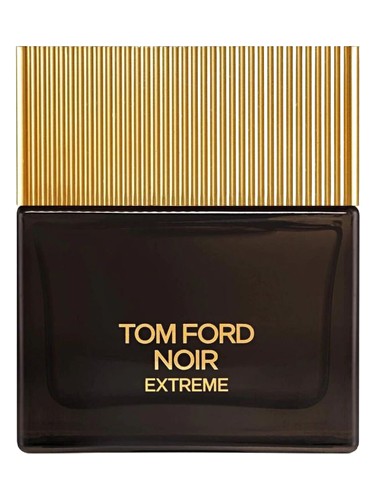
Les parfums de comparaison peignent un tableau intéressant. By the Fireplace de Maison Martin Margiela, Musc Ravageur de Frederic Malle, Grand Soir de Maison Francis Kurkdjian, Noir Extreme de Tom Ford lui-même, et Herod de Parfums de Marly—tous habitent le même espace oriental chaud et résineux. Significativement, plusieurs de ces alternatives arrivent à des prix plus bas tout en maintenant une qualité et une complexité comparables. Grand Soir, un autre oriental ambre-forward de luxe, offre une chaleur similaire sans dépasser le seuil des 400 $. Ce contexte rend la stratégie de prix encore plus déconcertante.
Myrrhe Mystère ne se distingue pas assez de ces favoris établis pour revendiquer une position unique. C''est compétent, bien conçu, et indéniablement luxueux dans son exécution—mais il en va de même pour ses concurrents, souvent à des prix plus acceptables.
Le Verdict Final
Myrrhe Mystère est un oriental ambre bien construit qui met en valeur la compétence technique de Tom Ford. L''interplay de myrrhe résineuse, de bois fumés et de chaleur poudrée crée une composition sophistiquée digne de considération. Dans le vide, c''est un parfum 3,88/5—bon, occasionnellement très bon, mais pas transcendant.
Le problème, c''est que les parfums n''existent pas dans le vide ; ils existent sur les marchés. À 400 $ pour 50 ml, Myrrhe Mystère représente un mauvais calcul de ce que même les consommateurs de luxe accepteront sans justification exceptionnelle. C''est mieux adapté aux complétistes de Tom Ford, aux collectionneurs qui valorisent l''emballage de prestige plutôt que la proposition de valeur, ou à ceux pour qui le prix n''est vraiment pas un problème.
Pour tous les autres, la liste des parfums similaires offre plusieurs voies pour gratter la même démangeaison oriental-ambre sans la douleur financière. En se mettant hors de portée de considération pour leurs propres clients fidèles, Tom Ford a peut-être créé sa sortie la plus mystérieuse à ce jour—non pas à cause de ce qui se trouve dans le flacon, mais pourquoi ils croient que quelqu''un devrait payer autant pour cela.
Critique éditoriale générée par IA