Premières Impressions
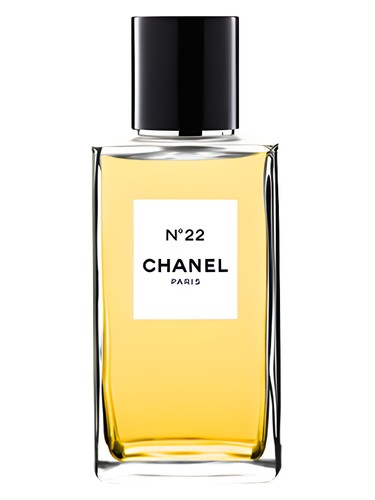
Le premier vaporisateur des Exclusifs de Chanel No 22 arrive comme des bulles de champagne capturant la lumière du soleil—une cascade nette et effervescente d''aldéhydes qui annonce son héritage avant même que vous ayez traité ce que vous sentez. Il y a une luminosité immédiate du néroli, tempérée par le murmure vert-propre du muguet, mais ce sont ces aldéhydes qui commandent l''attention. Pas les aldéhydes savonneux et frais comme du linge des interprétations modernes, mais quelque chose de plus architectural—une structure qui soulève et suspend les florales en suspension, créant une luminosité presque surnaturelle. C''est Chanel parlant sa langue maternelle, celle que Mademoiselle Coco elle-même a commandée quand elle a demandé « un parfum qui sent la femme, pas un jardin de fleurs ». L''effet est immédiat : vous êtes transporté quelque part entre 1922 et aujourd''hui, pris dans une suspension temporelle qui se sent à la fois nostalgique et étonnamment frais.
Le Profil Olfactif
L''acte d''ouverture appartient entièrement aux aldéhydes, qui créent un scintillement étincelant, presque métallique qui encadre tout le reste. Dans cette structure brillante, le néroli fournit une arête d''agrume aigre-douce tandis que le muguet ajoute sa verdeur caractéristique et rosée—bien que rendue ici en haute définition, presque abstraite. C''est une ouverture remarquablement propre, frôlant le savonneux (cet accord savonneux de 34% montrant sa main), mais il y a une complexité suffisante pour l''empêcher de sembler utilitaire.
Comme la composition s''installe, le cœur se révèle comme une symphonie florale blanche en arrangement orchestral complet. Le jasmin et la tubéreuse prennent le devant de la scène, bien que ce soit une tubéreuse affinée et retenue—aucune de l''intensité narcotique et beurrée qui domine les florales blanches contemporaines. Au lieu de cela, elle est tissée de manière transparente avec la rose et l''ylang-ylang, créant un bouquet qui se lit comme cohérent plutôt que comme des fleurs individuelles se disputant l''attention. L''ylang-ylang contribue une douceur tropicale subtile, tandis que la rose—probablement une centifolia étant donné le point de référence vintage—fournit de la structure et une légère qualité poudrée. C''est là que l''accord floral jaune (54%) émerge, ajoutant de la chaleur et de la profondeur à la composition florale blanche prédominante.
La base est où No 22 diverge le plus significativement de son archétype. La vanille apparaît non pas comme une douceur gourmande mais comme une chaleur douce, presque résineuse—un coussin plutôt qu''une déclaration. Le vétiver fournit une épine dorsale boisée-verte inattendue, ancrant toute cette luminosité florale éthérée avec quelque chose de terreux et de substantiel. Cette combinaison explique l''accord boisé de 37% qui pourrait surprendre ceux s''attendant à une expérience purement florale. Le drydown est remarquablement équilibré : toujours frais, toujours aldéhydé, mais maintenant avec une chaleur semblable à la peau qui rend le parfum vécu plutôt que simplement porté.
Caractère et Occasion
Les données racontent une histoire claire : c''est avant tout un parfum de jour, obtenant des notes parfaites pour le port de jour tout en maintenant une approbation respectable de 55% pour le soir. Cela a du sens—il y a une netteté ici, une luminosité qui s''aligne naturellement avec la lumière du matin et les réunions de l''après-midi. Le printemps revendique ce parfum le plus affirmativement à 86%, ce qui suit parfaitement ce caractère frais et floral-vert. Mais les scores substantiels d''automne (74%) et d''hiver (69%) révèlent quelque chose d''intéressant : ce n''est pas une fleur délicate saisonnière qui se fane par temps plus frais. Ces aldéhydes et cette base de vétiver fournissent suffisamment de structure et de chaleur pour traverser les saisons de transition.
L''été, à 48%, est où No 22 montre ses limites. Dans une humidité élevée, ces florales blanches pourraient devenir cloying, et la composition de style vintage pourrait sembler trop formelle, trop stratifiée pour un temps à peau nue. C''est un parfum qui aime la structure—à la fois dans son architecture moléculaire et dans les contextes où il brille. Pensez aux chemises en soie, aux laines taillées, aux accessoires en cuir poli. C''est pour les salles de réunion et les ouvertures de galerie, pour les occasions qui exigent à la fois de la présence et de la propriété.
Verdict de la Communauté
Avec une note de 4,23 sur 1 268 votes, Les Exclusifs de Chanel No 22 a gagné une admiration solide sans tout à fait atteindre le territoire de l''adoration universelle. Ce score suggère un parfum qui est apprécié plutôt qu''obsédé—une distinction qui vaut la peine d''être notée. Ceux qui le notent haut comprennent probablement son importance historique et apprécient son exécution technique, tandis que les notes plus basses proviennent probablement de ceux s''attendant à quelque chose de plus contemporain ou ouvertement sensuel. Ce n''est pas un plaisir pour la foule au sens moderne ; c''est un archétype Chanel rendu avec le raffinement de 2007, ce qui signifie qu''il exige une certaine sophistication de la part de celui qui le porte.
Comment il se Compare
La liste des parfums similaires se lit comme une visite guidée à travers les plus grands succès de Chanel : diverses itérations du No 5, le No 22 original, et Bois des Iles. Ce positionnement est révélateur. Les Exclusifs No 22 s''inscrit en conversation avec ces légendes, offrant un pont entre le floral blanc aldéhydé pur du No 5 et l''interprétation plus chaude et plus boisée de Bois des Iles. Comparé au No 5 Eau Première, celui-ci penche plus vers le vert et le frais ; contre le No 22 original de 1922, il est plus propre et plus transparent. Il occupe une niche spécifique : pour ceux qui trouvent le No 5 trop lourd mais veulent plus de substance que l''Eau Première ne fournit.
Le Résultat Final
Les Exclusifs de Chanel No 22 réussit à la fois comme hommage et réinterprétation. C''est techniquement accompli—cette composition florale blanche est magistralement équilibrée—et historiquement significatif sans sembler être une pièce de musée. La note de 4,23 reflète cet accomplissement équilibré : c''est très bon sans être transcendant, portable sans être facile, élégant sans être froid.
Qui devrait chercher ceci ? Ceux qui apprécient l''histoire du parfum mais veulent réellement le porter plutôt que simplement l''admirer. Quiconque construit une garde-robe professionnelle de parfums qui a besoin de quelque chose avec de la gravité qui ne submergera pas. Les fans des florales aldéhydées qui trouvent les formulations vintage trop intenses mais les interprétations modernes trop minces. Au prix des Exclusifs, c''est un investissement, mais un qui livre une vision complète plutôt qu''une seule idée intelligente. C''est Chanel faisant ce que Chanel fait de mieux : rendre le raffinement sans effort, même quand la construction en dessous est extraordinairement complexe.
Critique éditoriale générée par IA