First Impressions
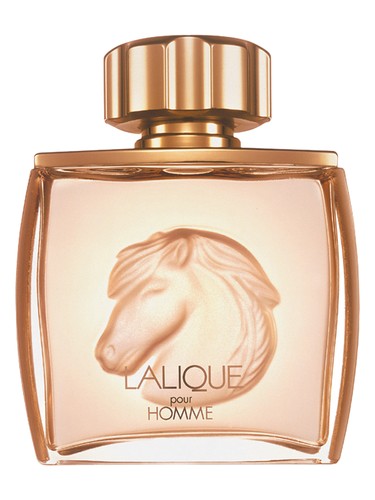
The first spray of Lalique Pour Homme Equus announces itself with citrus clarity—bergamot, lemon, and citron forming a trifecta of brightness that feels both energizing and refined. But this opening is deceptive in its brevity. Within moments, the fragrance reveals its true ambition: a towering cedar accord that rises like a forest canopy, supported by aromatic whispers that hint at the complexity to come. This is not a fragrance that apologizes or equivocates. From the outset, Equus makes clear that it belongs to the woody aromatic lineage, wearing its 100% woody accord rating like a badge of honor.
Released in 2001, Equus arrived during a transitional period in masculine perfumery, when the market was beginning to diversify beyond the aquatic dominance of the late 1990s. Its commitment to a robust, nature-inspired woody structure positioned it as something of a quiet rebel—not chasing trends, but carving its own aromatic territory.
The Scent Profile
The evolution of Equus follows a classical trajectory, yet executes it with distinctive character. That citrus opening—bergamot, lemon, and citron—provides refreshment without frivolity. These aren't sweet or candied citruses; they're crisp and purposeful, serving primarily to clear the olfactory stage for what follows.
The heart is where Equus builds its fortress. Juniper brings a gin-like brightness with subtle pine undertones, while cardamom and nutmeg introduce warm spiciness (reflected in the 61% fresh spicy and 42% warm spicy accord ratings). Violet leaf contributes a green, slightly metallic facet that prevents the composition from becoming too warm or heavy. The inclusion of Brazilian redwood and mace adds layers of complexity—the former lending a rosy, slightly sweet woodiness, the latter providing a nuanced bridge between the aromatic and spicy elements.
But the true revelation arrives in the base, where sequoia and vetiver join forces with leather, benzoin, amyris, and musk. This is the cedar stronghold that community members consistently identify as Equus's defining characteristic. The sequoia provides that monolithic cedarwood presence—dry, substantial, and remarkably persistent. Vetiver adds earthy depth (accounting for the 18% earthy accord), while leather introduces a subtle animalic quality that keeps the woods from feeling too polite. Benzoin offers a whisper of sweetness and resinous warmth, and amyris—often used as a sandalwood substitute—contributes a soft, creamy woodiness that rounds out the composition's edges.
Character & Occasion
The seasonal data tells a revealing story: Equus achieves near-perfect scores for spring (98%) and fall (90%), with respectable showings in summer (60%) and winter (40%). This versatility stems from its aromatic freshness balanced against woody warmth. In spring, the green and citrus aspects align beautifully with the season's renewal. Come fall, those deeper wood and spice notes resonate with cooling temperatures and the scent of forest floors.
The day/night breakdown is equally instructive: 100% suited for daytime wear, but only 40% for evening. This isn't a fragrance that seeks to seduce in dimly lit spaces. Rather, Equus excels in natural light—at the office, during weekend errands, on outdoor excursions. Its aromatic profile projects competence and approachability without the formality of traditional office scents or the aggression of sport fragrances.
This is a fragrance for those who appreciate woody compositions without pretension, who value substance over showiness. It suits the man comfortable in his own skin, whether he's thirty or sixty, whether he works in a creative studio or a corporate tower.
Community Verdict
With a 4.27 out of 5 rating across 2,709 votes, Equus has earned genuine affection from a substantial audience. The Reddit fragrance community's sentiment score of 7.5 out of 10 reinforces this positive reception, though the feedback reveals important nuances.
The most consistent praise centers on value: multiple community members describe Equus as punching well above its cost, delivering performance and quality that rivals fragrances at significantly higher price points. The cedar wood character receives particular acclaim from admirers, who appreciate its distinctive prominence and pleasant execution. Performance and longevity also earn commendations, with the EDP formulation specifically recommended for superior depth and complexity compared to the EdT.
However, honesty demands acknowledging the criticisms. That cedar-forward profile proves divisive—what some find distinctive, others perceive as limiting. Several users note that while they appreciate Equus, they don't reach for it frequently, suggesting it may lack the addictive quality that transforms good fragrances into favorites. The community data explicitly describes it as "not universally loved" and "divisive."
The consensus positions Equus as ideal for winter wear, office environments, and budget-conscious collectors seeking versatile everyday options.
How It Compares
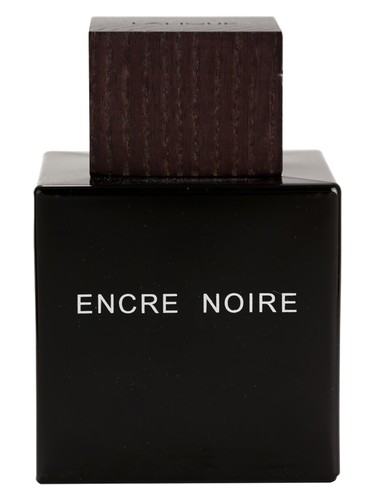
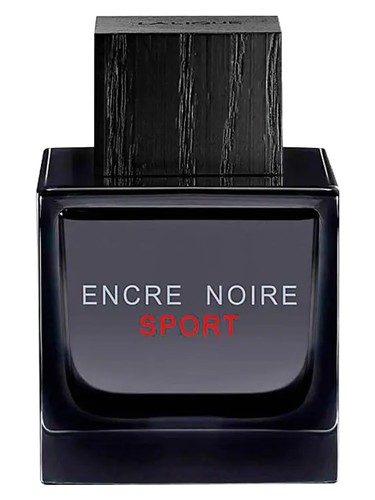
The listed similar fragrances provide useful context. Encre Noire Sport and the original Encre Noire share Lalique's commitment to focused woody compositions, though Encre Noire skews darker and more vetiver-dominant. Terre d'Hermès offers a more refined, expensive interpretation of citrus-woody territory with added minerality. Cartier's Declaration brings more spice and aromatic intensity, while Guerlain's Vetiver represents the elegant, classical approach to green woody scents.
Within this landscape, Equus occupies the accessible entry point—less challenging than Encre Noire, less expensive than Terre d'Hermès, more straightforward than Declaration. It's the gateway fragrance that proves woody aromatics don't require a luxury investment.
The Bottom Line
Lalique Pour Homme Equus stands as testament to a simple proposition: exceptional value doesn't require compromise. Its 4.27 rating reflects genuine quality, not inflated hype. The prominent cedar character will indeed divide audiences—those seeking sweetness, ozonic freshness, or gourmand warmth should look elsewhere. But for anyone drawn to woody compositions, particularly those exploring this territory for the first time or on a budget, Equus delivers.
The recommendation to seek out the EDP version bears repeating, as community consensus suggests it offers the fullest realization of the composition's potential. At its typical retail price, Equus represents not just good value, but remarkable value—a 2001 release that has aged with dignity, offering a alternative to both trendy releases and prohibitively expensive classics. If you've ever been curious about serious woody fragrances but hesitant about the investment, here's your answer.
Critique éditoriale générée par IA