First Impressions
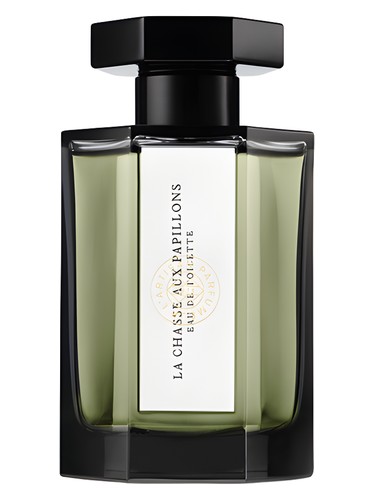
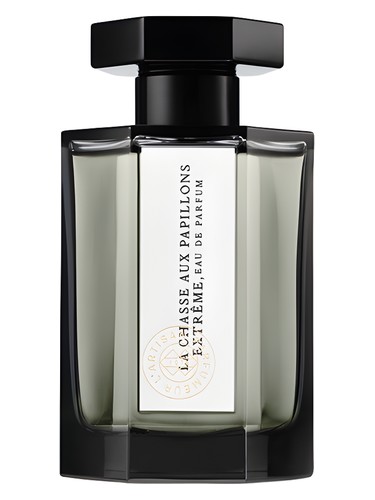
The first spray of La Chasse aux Papillons Extreme is like stepping into a sun-warmed garden where everything blooms at once. There's an immediate sparkle of pink pepper and citrus that quickly gives way to something more intriguing—a whisper of saffron mingling with apricot's velvet sweetness. It's a peculiar combination that shouldn't work but does, creating an opening that feels both playful and sophisticated. The name, French for "The Butterfly Hunt," suddenly makes perfect sense: this is the olfactory equivalent of chasing light through petals, never quite catching it but reveling in the pursuit.
What sets this "Extreme" version apart from its 1999 inception is the intensity. Where the original reportedly danced lightly on skin, this interpretation arrives with confidence, announcing itself without shouting. The white floral character—which dominates the composition at full strength—is present from the very beginning, though it takes time to fully unfurl its wings.
The Scent Profile
The evolution of La Chasse aux Papillons Extreme follows a fascinating trajectory that defies typical fragrance structure. Those opening notes of pink pepper and citruses provide just enough brightness to prevent what could otherwise become cloying. The saffron adds an unusual golden thread, while the apricot introduces a fuzzy, nectar-like quality that presages the sweetness to come.
As the fragrance settles into its heart, the true spectacle begins. This is where the white floral accord reveals itself in full glory—a quartet of linden blossom, tuberose, jasmine, and orange blossom that creates a heady, almost narcotic effect. The linden (also known as lime blossom) brings a green-honey facet that's distinctly European, evoking those towering trees that perfume entire boulevards in late spring. Tuberose adds its characteristic creamy richness, that buttery indole quality that divides perfume lovers into devoted fans and adamant detractors. Jasmine weaves through with its own sweet intensity, while orange blossom contributes a subtle soapiness that keeps the composition from veering into overripe territory.
The base is where La Chasse aux Papillons Extreme makes its most decisive statement: honey and ylang-ylang create a sweet, almost edible foundation that extends the floral notes for hours. This isn't shy honey—it's the thick, golden kind that pools on a spoon, with all the warmth and slight animalic edge that real honey possesses. The ylang-ylang, itself a powerfully sweet floral, amplifies this effect rather than contrasting it, creating a base that's unabashedly sumptuous.
Character & Occasion
This is definitively a warm-weather fragrance, and the community data confirms what your nose suspects: spring claims 82% preference, with summer close behind at 79%. There's wisdom in these numbers. La Chasse aux Papillons Extreme blooms in heat, its white florals expanding in humidity the way real flowers do. In cold weather, that honey-sweet base can feel heavy, even suffocating—hence the modest 13% winter preference.
The day-versus-night split is even more pronounced: 100% day versus just 19% night. This isn't a mysterious evening scent or a seductive after-dark companion. Instead, it's the olfactory embodiment of afternoon sunshine, garden parties, outdoor cafés, and leisurely weekend mornings. It's too forthright, too luminous, too sweetly cheerful for dimly lit restaurants or cocktail hours.
Who should wear this? Someone comfortable with presence, certainly. The white floral accord's full-strength dominance means this isn't a "your skin but better" scent. It's decidedly feminine in character, as indicated by its classification, though the honey and saffron notes add enough complexity to transcend simple prettiness.
Community Verdict
With a rating of 4.01 out of 5 from 957 votes, La Chasse aux Papillons Extreme has earned solid appreciation from a substantial sample size. This isn't a niche darling with a tiny cult following, nor is it a polarizing love-it-or-hate-it proposition. Instead, it occupies that sweet spot of being distinctive enough to warrant enthusiasm while remaining approachable enough for broad appreciation.
The near-4-star rating suggests a fragrance that delivers on its promises without transcending into masterpiece territory. It does what it sets out to do—create a lush, sweet, white floral experience—and does it well. Those who gravitate toward this style will find much to love; those who prefer minimalist or avant-garde compositions will likely find it too exuberant.
How It Compares
The similar fragrances list offers fascinating context. Naturally, the original La Chasse aux Papillons by L'Artisan Parfumeur sits closest, though this Extreme version amplifies the intensity significantly. The inclusion of Lancôme's Poème makes sense—both traffic in lush, romantic white florals with a distinctly French sensibility. More surprising is the mention of Chanel's Coco Mademoiselle, which suggests that despite the sweetness, there's an underlying sophistication here that elevates it beyond simple sugar-florals.
Alien by Mugler and Datura Noir by Serge Lutens point to the tuberose connection, though La Chasse aux Papillons Extreme is considerably brighter and more approachable than either of those deliberately challenging compositions. Where Alien leans woody-ambery and futuristic, and Datura Noir explores tuberose's darker, more narcotic potential, this L'Artisan offering keeps things firmly in the sunlit garden.
The Bottom Line
La Chasse aux Papillons Extreme succeeds as a maximalist white floral for those who appreciate the genre without irony or restraint. It's sweet—84% sweet according to its accord profile—and makes no apologies for that sweetness. The honey and tuberose combination creates a signature that's simultaneously edible and floral, dessert-like and garden-fresh.
At over two decades since its 1999 release, it remains relevant precisely because it doesn't chase trends. This is a fragrance that knows what it is: a celebration of white flowers in their most generous, abundant expression. The 4.01 rating from nearly a thousand voters suggests it executes this vision successfully, even if it won't convert those who prefer their florals austere or their sweetness minimal.
If you're drawn to fragrances like Poème or appreciate tuberose without fear, this deserves a place on your sampling list. It's best appreciated in warm weather, worn during daylight hours, and approached with an appreciation for old-fashioned abundance. Not every fragrance needs to whisper—sometimes, a butterfly chase demands running through the garden with arms outstretched, and this perfume captures exactly that feeling.
Critique éditoriale générée par IA