Premières Impressions
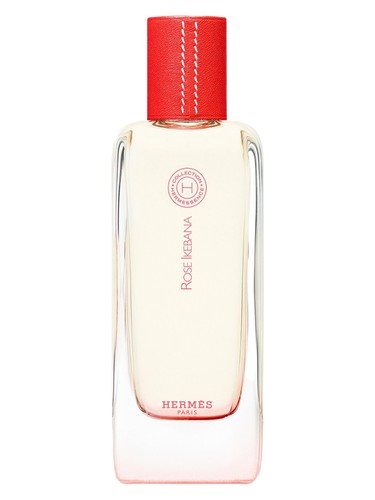
Le premier vaporisateur de Rose Ikebana est une révélation sur ce que peut être une rose lorsqu''elle est dépouillée de son opulence conventionnelle. Plutôt que l''épanouissement cramoisi et capiteux auquel nous nous sommes habitués avec les parfums à base de rose, cette Hermessence s''ouvre sur quelque chose de bien plus radical : le vert. Vibramment, sans détour, vert. C''est comme si vous aviez marché dans l''atelier d''un fleuriste avant que les arrangements ne soient terminés, quand les tiges sont encore en train d''être coupées et que les gouttelettes d''eau s''accrochent aux feuilles. La rose ici n''est pas absente—elle attend simplement, nichée parmi la luminosité des agrumes et une fraîcheur presque herbacée qui semble plus vivante que décorée. C''est l''ikebana traduit en parfum : l''art de l''espace, de la retenue, et de laisser chaque élément respirer.
Le Profil Olfactif
Bien que la décomposition spécifique des notes reste non divulguée—un choix qui semble intentionnel pour les compositions plus abstraites de la collection Hermessence—la structure des accords dominants nous dit tout ce que nous avons besoin de savoir sur l''architecture de ce parfum. Ce score parfait de 100% d''accord vert n''est pas une exagération ; il forme l''épine dorsale structurelle de toute la composition, un peu comme le kenzan (pique-fleur) qui maintient les tiges de l''ikebana en place.
La rose, enregistrée à un solide 83%, émerge non pas comme une interprète solo mais comme faisant partie d''un ensemble. C''est une rose fraîchement coupée et rosée—les pétales encore frais de l''air du matin, touchés par la légère teinte métallique de la chlorophylle et de la sève. L''accord agrume à 80% se tisse à travers cette verdure, ajoutant de la luminosité sans sucrosité, comme la lumière du soleil filtrant à travers les feuilles. Il y a aussi une jutosité ici, attestée par l''accord fruité à 77%, bien qu''il se lise plus comme la vitalité naturelle des tiges vivantes que comme une note fruitée délibérée.
Ce qui rend Rose Ikebana particulièrement captivant, c''est son caractère aromatique à 71%. Ce n''est pas le coup de poing herbacé de la lavande ou du romarin, mais plutôt une qualité botanique plus diffuse—le parfum collectif d''un jardin en mouvement, de l''air se déplaçant à travers les branches. L''accord frais à 41% agit comme la touche finale, cette qualité de transparence et de légèreté qui empêche la composition de jamais sembler dense ou lourde.
L''évolution est subtile plutôt que dramatique. Ce n''est pas un parfum qui annonce différents mouvements ; au lieu de cela, il maintient sa cohérence philosophique de l''ouverture à la note de fond. Le vert reste prominent tout au long, avec la rose pulsant doucement au cœur, ne dominant jamais, toujours en équilibre. C''est une méditation sur la retenue—le concept japonais de ma, ou l''espace négatif, rendu olfactif.
Caractère et Occasion
Les données communautaires parlent avec une clarté remarquable : c''est un parfum pour le temps chaud et la lumière du jour. Avec le printemps marquant 96% et l''été 95%, Rose Ikebana est conçu pour les saisons de croissance et de renouveau. Les scores d''automne et d''hiver (27% et 13% respectivement) confirment ce que votre nez vous dit déjà—ce n''est pas un parfum pour les soirées confortables ou le confort par temps froid.
La division jour/nuit est encore plus décisive : 100% jour, un simple 16% nuit. Rose Ikebana appartient à la lumière du matin et aux jardins de l''après-midi, aux chemises en lin et aux fenêtres ouvertes. C''est l''équivalent olfactif d''un marché fermier un samedi matin, d''arranger des fleurs fraîches dans une pièce ensoleillée, de promenades matinales quand la rosée s''accroche encore à tout ce qui est vert.
C''est sans équivoque un parfum féminin dans son marketing, mais son caractère axé sur le vert et sa retenue artistique pourraient facilement plaire à quiconque est attiré par des compositions botaniques et transparentes. C''est sophistiqué sans être formel, frais sans être tranchant, et élégant dans son refus de crier.
Verdict de la Communauté
Avec un solide 4,2 sur 5 étoiles sur 1 176 votes, Rose Ikebana a gagné le respect sincère de ceux qui l''ont expérimenté. Ce n''est pas un parfum polarisant qui inspire des parts égales de dévouement et de haine—c''est un performer constant qui livre exactement ce qu''il promet. Le nombre de votes substantiel suggère que ce n''est pas simplement une curiosité de niche mais un parfum qui a trouvé son public et a retenu son attention au cours des années depuis sa sortie en 2004.
Cette note le place fermement dans le territoire « très bon »—bien-aimé, mais peut-être pas universellement obsédant. Cela a du sens pour un parfum aussi engagé dans la subtilité et la retenue. Rose Ikebana n''essaie pas d''être tout pour tout le monde, et ses admirateurs apprécient exactement cette qualité.
Comment Il Se Compare
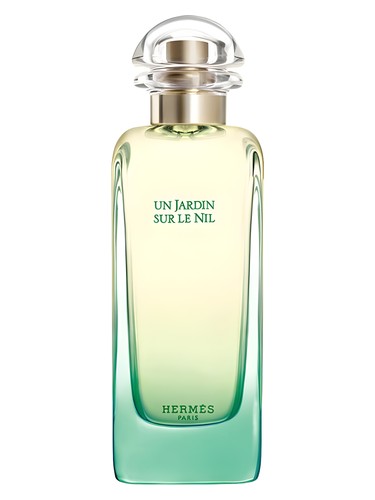
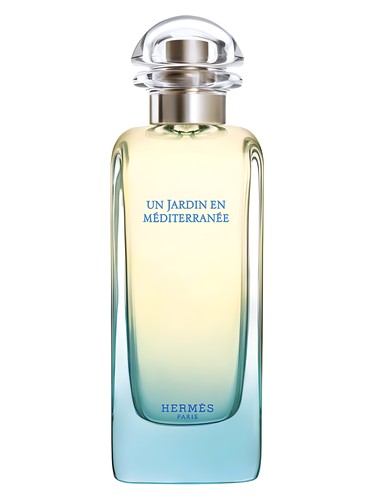
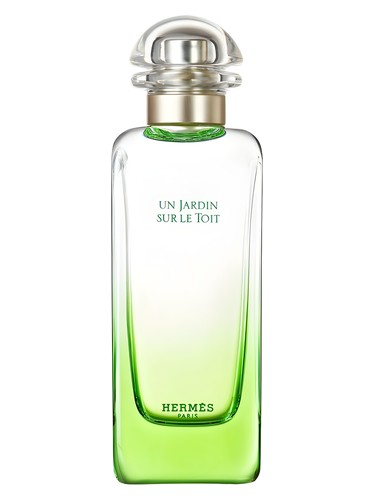
Rose Ikebana s''inscrit confortablement dans l''univers inspiré des jardins d''Hermès, partageant l''ADN avec Un Jardin Sur Le Toit, Un Jardin Sur Le Nil, Le Jardin de Monsieur Li, et Un Jardin en Méditerranée. Ce sont tous des parfums qui privilégient l''atmosphère et l''art plutôt que la structure conventionnelle du parfum. Le frère le plus proche pourrait être Hermessence Osmanthe Yunnan, une autre étude de l''esthétique botanique asiatique, bien que Rose Ikebana penche vers plus de vert et de luminosité agrumée là où Osmanthe Yunnan tend vers la douceur d''abricot.
Dans la catégorie plus large des roses, Rose Ikebana se distingue des roses Taif confites, des roses vintage poudrées, et des roses modernes sirupeuses qui dominent le marché. C''est pour ceux qui trouvent la plupart des parfums à base de rose trop—trop sucrés, trop bruyants, trop traditionnellement romantiques.
Le Verdict Final
Rose Ikebana est un parfum qui récompense la contemplation. Ce n''est pas un coup de foudre au premier vaporisateur pour tout le monde, mais pour ceux qui apprécient le réalisme botanique, la retenue artistique, et les parfums qui se sentent comme des expériences plutôt que des accessoires, il offre quelque chose de véritablement spécial. La note de 4,2 sur plus de mille votants suggère que c''est un achat en aveugle sûr pour quiconque est déjà attiré par les parfums de jardin d''Hermès ou les compositions fraîches et vertes.
Est-ce révolutionnaire ? Pas particulièrement—mais ce n''est pas le point. Comme l''ikebana lui-même, il s''agit de perfectionner la simplicité, de savoir exactement ce qu''il faut inclure et, plus important encore, ce qu''il faut laisser de côté. Pour le port de jour au printemps et en été, pour ces moments où vous voulez sentir propre, vert, et tranquillement sophistiqué, Rose Ikebana livre avec la confiance d''une maison qui n''a rien à prouver et tout à exprimer.
Critique éditoriale générée par IA