First Impressions
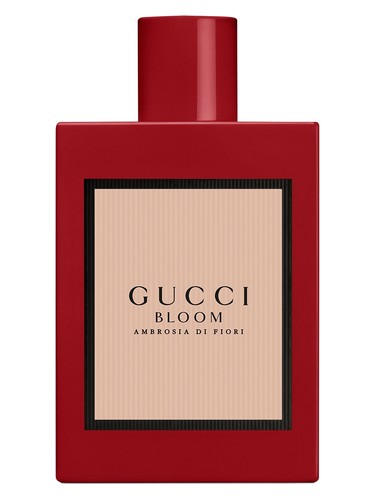
The first spray of Gucci Bloom Ambrosia di Fiori feels like stepping into a greenhouse at golden hour—warm glass overhead, humidity clinging to your skin, and every white bloom turned toward the fading light. This is not a timid floral. From the moment it touches skin, jasmine and honeysuckle announce themselves with unapologetic sweetness, a nectar-drenched opening that the Reddit community has aptly dubbed "a floral paradise." There's an immediate lushness here, a sense of abundance that justifies the "Ambrosia" in its name—the food of the gods reimagined as a bouquet you can wear.
What strikes you isn't subtlety but rather the sheer confidence of the composition. This is Gucci's 2019 interpretation of white floral intensity, and it commits fully to that vision. Within minutes, you understand why first impressions run so strongly positive: this fragrance knows exactly what it is and delivers without hesitation.
The Scent Profile
The architecture of Ambrosia di Fiori is built on a foundation of classic white florals, layered with enough complexity to keep the composition from veering into simplicity. The opening duet of jasmine and honeysuckle creates an almost liquid sweetness, honeyed and slightly green, with honeysuckle's characteristic nectar quality amplifying jasmine's indolic richness. This isn't the clean, soapy jasmine of fresh florals—there's depth here, a touch of that animalic quality (registering at 19% in the main accords) that gives white florals their addictive edge.
As the fragrance settles, tuberose emerges as the undeniable heart—and at 49% presence in the accord profile, it dominates the composition's middle chapter. Tuberose brings its signature creamy opulence, that buttery, almost narcotic quality that can be polarizing but here feels perfectly calibrated. It's rich without being cloying, sensual without overwhelming the more delicate jasmine and honeysuckle that continue to shimmer around its edges.
The base reveals where Gucci adds refinement to all this floral extravagance. Damask rose introduces a velvety, slightly spicy dimension—rose as a supporting player rather than lead, at 23% contributing texture more than overt rosiness. But it's the orris that provides the sophistication, that powdery-woody elegance that grounds the sweeter elements. Orris (iris root) lends an expensive quality, a soft suede-like finish that prevents the fragrance from reading as purely pretty and adds a whisper of restraint to an otherwise exuberant composition.
Character & Occasion
The data tells a clear story about when Ambrosia di Fiori thrives: this is quintessentially a spring fragrance (registering at 100% seasonal suitability), and it wears primarily as a daytime scent (95%). This makes perfect sense—the honeyed florals and bright opening feel most at home in natural light, in settings where the sweetness can breathe rather than dominate.
That said, the fragrance shows remarkable versatility across three additional seasons. Fall registers at 76%, suggesting the tuberose's creaminess and the animalic undertones provide enough warmth for cooler weather. Summer comes in at 62%—understandable given the intensity, though those who love bold florals won't find it too heavy. Even winter scores 53%, speaking to the fragrance's underlying richness.
The day-to-night ratio (95% day, 62% night) positions this firmly as a casual-to-smart-casual fragrance. Community feedback emphasizes "everyday wear" and "casual occasions," which tracks with the approachable sweetness and that instantly lovable quality users mention. This isn't the white floral you wear to intimidate or seduce—it's the one you wear to feel effortlessly feminine, polished but not precious.
Community Verdict
The Reddit community data reveals an interesting split: strong positive sentiment (7.5/10) among those who've experienced it, but notably limited discussion overall. Based on just 17 opinions, the consensus skews decidedly favorable. Users describe it as "instantly lovable" and emphasize those powerful "positive first impressions." The phrase "floral paradise" captures the community's experience—this delivers exactly what white floral lovers want without unnecessary complications.
The cons are telling in their absence of specific criticisms. The main limitation isn't quality but visibility: "limited discussion" and "few detailed reviews available" suggest Ambrosia di Fiori may be flying under the radar in a crowded Bloom lineup. The community notes difficulty establishing comprehensive consensus on "specific performance characteristics," meaning longevity and projection remain somewhat anecdotal rather than definitively documented.
What's clear: those who try it, like it. The 3.94 rating from 1,741 votes on the broader database confirms this isn't a niche darling or polarizing experiment—it's a solidly appealing floral that delivers on its promise.
How It Compares
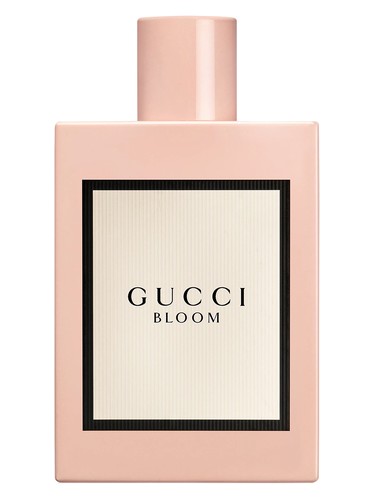
Ambrosia di Fiori sits within a constellation of modern white floral powerhouses. Its closest relative is obviously Gucci Bloom (the original), with Profumo Di Fiori as another sibling variant. Where it distinguishes itself is in that honeyed, "ambrosia" sweetness—more overtly nectar-like than the original Bloom's cleaner presentation.
The comparisons to Givenchy's L'Interdit Eau de Parfum and Dior's Pure Poison place it in good company—these are accessible, feminine florals with enough personality to stand out. The Alien reference is intriguing, suggesting some users pick up on that animalic, almost amber-like warmth beneath the petals. Unlike Alien's jasmine-amber intensity, though, Ambrosia di Fiori stays firmly in floral territory, with sweetness rather than woodiness as its anchor.
The Bottom Line
Gucci Bloom Ambrosia di Fiori is that rare fragrance that does exactly one thing and does it exceptionally well: it delivers white floral abundance without apology. The 3.94 rating from nearly 2,000 votes suggests broad appeal, while the positive community sentiment confirms its instant likability. This isn't a challenging fragrance or one that requires your palate to adjust—it's immediately beautiful, wearable, and satisfying.
The value proposition is solid for those seeking a signature spring and daytime floral. If you love tuberose, jasmine, or honeyed florals, this warrants a test drive. The lack of widespread community discussion might actually be a strength here—it's not hyped, not overexposed, just quietly excellent.
Who should try it? Anyone seeking an elegant daily floral that reads as expensive (that orris does work) but feels effortless. Anyone who found the original Bloom too subtle or wants more sweetness. Anyone building a warm-weather rotation who needs that go-to "floral paradise" in liquid form.
Critique éditoriale générée par IA