First Impressions
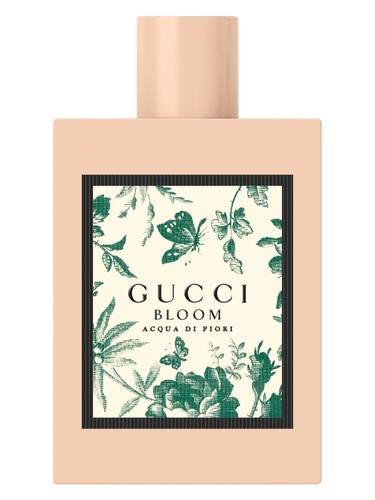
The first spray of Gucci Bloom Acqua di Fiori feels like stepping into a conservatory after a spring shower. There's an immediate burst of verdant freshness—galbanum leaf cutting through the air with its green, almost sappy brightness—tempered by the sweetness of cassis and the citrus sparkle of bergamot and lemon. This isn't your grandmother's floral bouquet gathering dust in a vase. Instead, it's the living, breathing garden version, complete with rain-washed leaves and stems still glistening with moisture. The green accord, registering at a commanding 84%, announces itself clearly alongside the dominant white floral character, creating a duality that defines everything about this fragrance.
The Scent Profile
The opening act is all about contrast and vitality. Galbanum leaf provides that distinctive green snap—slightly bitter, intensely botanical—while cassis adds a fruity-dark richness that prevents the citrus from becoming too sharp or fleeting. Bergamot and lemon dance around these deeper elements, their brightness lifting everything skyward without dominating the composition.
As the fragrance settles into its heart, the true floral symphony begins. Honeysuckle leads with its nectar-sweet nostalgia, immediately joined by tuberose's creamy opulence and jasmine's indolic richness. But here's where Acqua di Fiori distinguishes itself from the original Gucci Bloom: lily-of-the-valley and freesia bring a translucent, almost watery quality to these typically heavy white florals. The result reads as fresh rather than heady, wearable rather than overwhelming. That 100% white floral accord is present but refined, filtered through a lens of dewy greenness that keeps it from becoming cloying.
The base notes provide a soft landing rather than a dramatic finale. Musk and Iso E Super—that modern perfumer's favorite molecule that adds woody, velvety depth—create a skin-like foundation. Sandalwood rounds everything out with creamy warmth, though this isn't a woody fragrance at heart (the accord registers at just 33%). Instead, these base notes simply ensure the florals don't vanish too quickly, extending the wear time while maintaining the fresh character established from the first spray.
Character & Occasion
According to user data, this is an all-season fragrance, and that assessment rings true. The green freshness prevents it from feeling too heavy in summer heat, while the creamy florals provide enough substance for cooler months. Interestingly, the day/night data shows no strong skew in either direction, suggesting genuine versatility—though the fresh profile naturally leans toward daylight hours.
The community confirms this is a daily wear champion, particularly suited for office and professional settings where you want to smell polished without overwhelming the conference room. The aromatic accord (59%) adds an herbal sophistication that reads as mature without being stuffy, while the subtle fruity notes (42%) keep things approachable. This is the fragrance for someone who wants to wear florals without announcing "I'M WEARING FLORALS" to everyone within a ten-foot radius.
Those seeking fresh florals without heavy sweetness will find this particularly appealing. The green-white floral combination occupies a sweet spot that feels neither girlish nor overly formal, making it genuinely wearable for year-round casual use.
Community Verdict
The Reddit fragrance community sentiment scores a strong 8.2 out of 10, reflecting genuine affection for this scent—and considerable frustration about its fate. Based on ten community opinions, users consistently praise its fresh and balanced floral profile that "isn't overly feminine," suggesting it achieves that elusive quality of being distinctly floral without veering into stereotypical territory.
The versatility receives particular acclaim, with users confirming it as a unique scent that stands out from typical florals while remaining gentle and wearable for daily use. However, the cons list reads like a lament: discontinued and difficult to find, with limited availability in smaller bottle sizes. Perhaps most tellingly, devoted fans report that finding comparable alternatives has proven challenging. When a fragrance community can't easily recommend substitutes, it suggests something genuinely distinctive has been lost.
The overall rating of 3.77 out of 5 from 2,629 votes places it in solidly good territory—respectable if not revolutionary—but the community sentiment suggests the emotional attachment runs higher than the numerical score might indicate.
How It Compares
Gucci positions this as a flanker to the original Gucci Bloom, and the family resemblance is clear in the similar perfumes list, which includes the parent fragrance. However, Acqua di Fiori shares more DNA with fresh white floral powerhouses like Givenchy's L'Interdit Eau de Parfum and Dior's J'adore—fragrances that balance floral richness with modern wearability.
The comparison to Dior's Pure Poison and YSL's Libre suggests it occupies space in the sophisticated white floral category, though the pronounced green accord sets it apart. Where Pure Poison leans into jasmine's narcotic qualities and Libre emphasizes lavender's aromatic bite, Acqua di Fiori charts its own course with that galbanum-led freshness.
The Bottom Line
Gucci Bloom Acqua di Fiori represents one of those frustrating perfume paradoxes: a well-executed, genuinely likable fragrance that never quite achieved blockbuster status, leading to its discontinuation despite a devoted following. The 3.77 rating and strong community sentiment suggest a fragrance that delivered on its promises—fresh, versatile, distinctive—without the marketing push or cultural moment to make it essential.
Should you hunt down a bottle? If you've been searching for a white floral that doesn't suffocate, that works across seasons without feeling generic, and that brings genuine green freshness to the table, absolutely. The challenge, of course, is finding it. Those who already own bottles understand what they have: a garden after rain, captured in glass, increasingly precious because it won't be coming back.
Critique éditoriale générée par IA