First Impressions
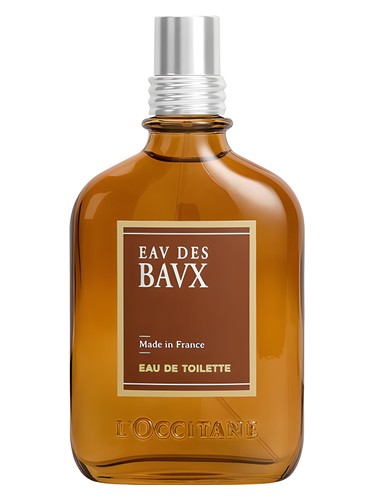
The first spray of Eau des Baux delivers an unexpected greeting—a warm cardamom embrace laced with pink pepper's rosy bite and the bright citrus clarity of bergamot. But this opening handshake is merely a polite introduction to something far more intriguing lurking beneath. Within moments, smoke begins to curl through the spice, hinting at the incense cathedrals and vanilla sanctuaries waiting in the wings. This is L'Occitane stepping boldly outside their Provençal comfort zone of lavender fields and honey almonds, instead drawing inspiration from the medieval fortress of Les Baux-de-Provence—all stone ramparts and ancient mysteries.
What strikes you immediately is the deliberate confidence in its composition. Despite launching in 2006, Eau des Baux feels neither dated nor desperately trend-chasing. It occupies a fascinating middle ground between fresh cologne accessibility and the kind of rich, resinous depth typically reserved for evening fragrances with triple the price tag.
The Scent Profile
The opening act of cardamom, pink pepper, and bergamot creates an aromatic sparkle that's both inviting and slightly exotic. The cardamom brings a creamy, almost green spiciness, while pink pepper adds textural interest without overwhelming the composition. Bergamot provides just enough citrus brightness to keep things from becoming too heavy too quickly—a crucial bit of architectural planning for what follows.
As the fragrance settles into its heart, the true personality emerges. Cypress and juniper introduce a woodland element, slightly resinous and forest-floor damp, while incense begins its slow, purposeful unfurling. This isn't the sharp, churchy frankincense often found in niche offerings; it's softer, more integrated. Cinnamon weaves through this phase, adding warmth without veering into holiday candle territory. The heart is where Eau des Baux reveals its aromatic accord—that 73% scoring isn't accidental. There's an herbal, almost medicinal quality here that grounds the sweetness to come.
But the base is where devotees find their religion. Vanilla dominates at 100%—the highest accord rating—yet this is vanilla with gravitas. Tonka bean amplifies the creamy sweetness while adding an almond-like nuance, and here's where frankincense makes its official entrance alongside cedar. The wood notes provide structure, preventing the vanilla from becoming cloying or juvenile. The result is a smoky-sweet foundation that manages to feel both cozy and sophisticated. The amber accord (74%) manifests as a golden, resinous warmth that ties the entire composition together, while that 44% smoky accord ensures this never becomes just another vanilla fragrance for men.
Character & Occasion
Here's where Eau des Baux breaks the rulebook in the most democratic way possible. The data shows equal suitability for all seasons—and for once, this isn't marketing speak. The incense and spice provide enough warmth for autumn and winter wear, while the cypress and bergamot keep it from suffocating in summer heat. Spring's transitional nature plays perfectly with the fragrance's own evolution from fresh to warm.
The day/night versatility is equally impressive, with community data showing no strong preference either way. This adaptability stems from its masterful balance: bright enough for office wear, deep enough for dinner dates, casual enough for weekend errands, refined enough for formal occasions. It's the fragrance equivalent of a perfectly tailored blazer that works with jeans or dress trousers.
The masculine designation feels accurate without being aggressively so. The vanilla-amber core could easily be shared, but the woody-aromatic framework and that incense backbone give it a traditionally masculine architecture. It's ideal for those who want sweetness in their scent wardrobe without sacrificing sophistication—men who appreciate the richness of gourmand elements but refuse to smell like dessert.
Community Verdict
A 4.42 out of 5 rating from 4,073 voters is remarkable territory for any fragrance, but especially noteworthy for a cologne from a brand better known for skincare and body products than haute perfumery. This isn't a polarizing scent with devoted fans and vocal detractors averaging out to mediocrity—it's a broadly appreciated composition that clearly delivers on its promise.
The substantial vote count lends credibility to that rating. This isn't a niche darling with a small cult following; it's a widely tested fragrance that consistently impresses. The community has spoken clearly: Eau des Baux punches well above its weight class.
How It Compares
The similar fragrances list reads like a who's who of masculine sweet-spicy icons: Le Male, AMen, Tobacco Vanille, Black Orchid, Bleu de Chanel. What's telling is that Eau des Baux holds its own against designers and luxury houses alike. It shares Le Male's approachable vanilla masculinity but with more smoke and less powder. It echoes AMen's gourmand ambitions but feels more naturally composed, less synthetic. Against Tom Ford's Tobacco Vanille, it offers a similar warmth at a fraction of the price, trading some opulence for better versatility.
Where it truly distinguishes itself is in wearability. While those comparisons often demand specific contexts, Eau des Baux slides comfortably into more situations with less fuss.
The Bottom Line
Eau des Baux represents something increasingly rare: a genuinely well-crafted fragrance from an unexpected source that doesn't require a luxury price tag or insider knowledge to appreciate. The rating speaks to its quality, the accord breakdown reveals its sophistication, and the versatility data confirms its practicality.
This is essential wearing for anyone who's enjoyed the vanilla-forward masculines but wanted something with more depth, or for those who love incense fragrances but need something less austere. At its price point—significantly lower than the Tom Ford comparisons it invites—it offers extraordinary value. Whether you're building your first serious fragrance collection or your fifteenth, Eau des Baux deserves a prominent place on your shelf.
Critique éditoriale générée par IA