First Impressions
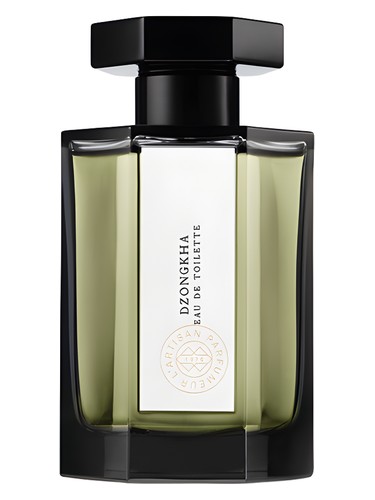
The first spray of Dzongkha is like stepping through the wooden doors of a centuries-old monastery perched high in the Himalayas. There's an immediate warmth—cardamom's piquant sweetness mingling with the unexpected juiciness of litchi, while peony adds a delicate floral whisper that keeps the opening from becoming too austere. This is not the aggressive spice bomb you might expect from a fragrance named after Bhutan's national language. Instead, L'Artisan Parfumeur has crafted something more nuanced: an invitation rather than an announcement, a contemplative opening that asks you to lean in and pay attention.
The 2006 release established itself as something of an outlier in the brand's typically French-leaning portfolio. Here was a perfume that looked eastward, channeling the spiritual atmosphere of Bhutanese dzongs (fortress-monasteries) into liquid form. That woody accord—registering at 100% intensity—dominates from the very first moment, but it's the interplay with warm spice (81%) that gives Dzongkha its particular character: grounded yet elevated, earthy yet refined.
The Scent Profile
The transition from top to heart happens gradually, like incense smoke slowly filling a room. That initial cardamom-litchi pairing gives way to a complex melange where white tea's subtle vegetal quality meets the resinous depth of incense. Vetiver adds its characteristic earthy-woody facets, while cedar provides structural support. The spice accord intensifies here, warming the composition without overwhelming the more meditative elements.
This heart phase is where Dzongkha truly reveals its complexity. The white tea note—uncommon in 2006 and still relatively rare today—lends an almost translucent quality to what could otherwise become heavy. It's a masterful balancing act: the smoky incense (registering at 45% in the overall accord profile) threatens to dominate, but the tea and lighter spices keep everything in harmonious suspension. The aromatic accord (50%) manifests as an herbal-green undertone that prevents the composition from becoming too resolutely woody.
The base is where leather makes its entrance, though not the animalic, dominatrix leather of some fragrances. Instead, it's the supple, well-worn leather of ancient texts, perhaps the prayer books housed in those same Bhutanese temples. Iris contributes its powdery-rooty elegance, while papyrus adds a dry, almost papery texture that reinforces the manuscript association. This is a leather accord (50% intensity) that feels contemplative rather than confrontational, scholarly rather than sensual.
The entire evolution happens over hours, with impressive longevity typical of woody-leather compositions. The earthy facets (45%) remain present throughout, grounding what could otherwise float into incense-shop abstraction.
Character & Occasion
Dzongkha is emphatically an autumn fragrance, with 99% of the community identifying it as ideal for fall wear. This makes perfect sense—it captures that particular quality of crisp air and turning leaves, when you want something warming but not stifling. Winter comes in second at 64%, and indeed, this would be an excellent choice for milder winter days when heavy orientals feel too oppressive.
Spring at 58% suggests versatility, though summer's 31% rating reveals this isn't built for heat. The spice and leather components would likely feel suffocating in July humidity. This is firmly cool-weather territory.
The day-to-night breakdown is revealing: 100% day-appropriate versus 50% for evening. Dzongkha wears beautifully during daylight hours—to the office, for weekend errands, during contemplative walks. It's approachable and refined without being formal. That it scores lower for night suggests it may lack the projection or seductiveness some seek for evening wear, but this feels appropriate for a fragrance so clearly designed for introspection rather than impression-making.
Marketed as feminine, Dzongkha has attracted a devoted following across gender lines. The woody-spicy-leather profile skews more traditionally unisex, and many wearers appreciate its refusal to conform to conventional feminine tropes.
Community Verdict
With a rating of 3.96 out of 5 from 1,585 votes, Dzongkha sits firmly in "very good" territory. This isn't a niche cult classic with a tiny devoted following, nor is it a mass-market crowdpleaser. Instead, it occupies that interesting middle ground: well-regarded by those who've discovered it, but flying somewhat under the radar compared to L'Artisan's more famous releases.
That rating suggests a fragrance that rewards those who seek it out. It's not universally beloved—the meditative, incense-heavy profile won't appeal to everyone—but those who connect with it tend to appreciate its unique perspective. The substantial vote count indicates this isn't an overlooked gem so much as a respected member of the woody-incense category with a dedicated audience.
How It Compares
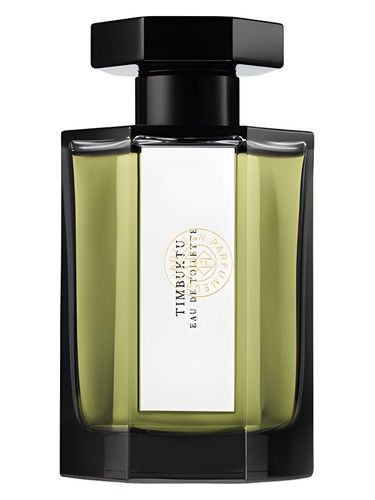
The similar fragrances list reads like a who's who of sophisticated woody compositions. Timbuktu, from L'Artisan's own stable, shares that spice-forward, travel-inspired DNA. Serge Lutens' Fille en Aiguilles brings similar incense-woody qualities with a coniferous twist. Tauer's L'Air du Desert Marocain explores desert spices and woody resins, while Tom Ford's Black Orchid offers a darker, more gourmand take on similar accords.
What distinguishes Dzongkha is its restraint. Where Black Orchid commands attention and L'Air du Desert Marocain evokes vast landscapes, Dzongkha turns inward. It's more intimate, more contemplative, less about projection and more about personal experience.
The Bottom Line
Dzongkha deserves its strong rating as a thoughtfully composed fragrance that successfully translates a cultural and spiritual concept into olfactory form. It won't be everyone's daily reach—the woody-incense profile requires appreciation for meditative, less obviously "pretty" compositions—but for those drawn to sophisticated, contemplative fragrances, it offers genuine rewards.
This is ideal for someone who finds typical florals or fruity fragrances cloying, who appreciates quality ingredients without needing loud projection, and who wants something distinctive for autumn and winter days. If you've loved Timbuktu or L'Air du Desert Marocain but want something slightly softer and more wearable, Dzongkha deserves your attention. It's a journey worth taking, even if you never make it to Bhutan yourself.
Critique éditoriale générée par IA