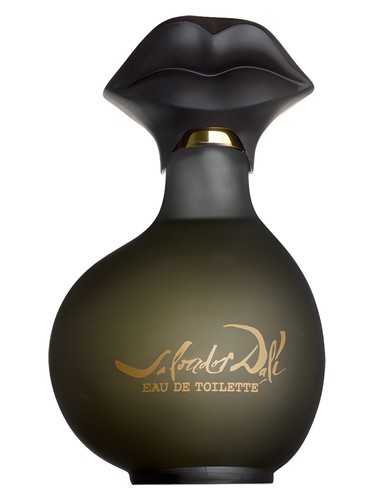
First Impressions
The first spray of Dali Parfum de Toilette hits like stepping into a velvet-draped salon where incense spirals meet aldehydic sparkle. This isn''t a fragrance that whispers—it announces. The opening is a fascinating collision of old-world grandeur and unexpected verdant freshness: aldehydes create that classic vintage shimmer while incense lends a resinous, almost ecclesiastical depth. Clove punctuates with warm spice, and somewhere beneath it all, basil and green notes add an herbal brightness that keeps the composition from collapsing into pure nostalgia. It''s complex, unapologetically bold, and unmistakably from an era when perfumes were meant to leave an impression that lingered long after you left the room.
The Scent Profile
The architecture of this fragrance reveals itself in waves, each layer more opulent than the last. Those opening aldehydes—so characteristic of classic feminines—create an effervescent quality that''s tempered immediately by the smoky weight of incense and the medicinal bite of clove. The fruity notes dance at the edges, never sweet enough to dominate, while bergamot and mandarin orange provide citrus relief. Basil brings an unexpected savory-green dimension that feels almost avant-garde for 1985, though perhaps not surprising from a house bearing Salvador Dali''s name.
As the top notes settle, the heart blooms into a white floral cathedral. This is where Dali shows its traditional lineage: narcissus and tuberose create creamy opulence, while jasmine and lily add luminosity. The inclusion of mimosa brings a honeyed, slightly powdery texture, and orris root—that most expensive and refined of iris preparations—adds a sophisticated, almost buttery smoothness. Rose and lily-of-the-valley provide classic floral support, with orange blossom contributing a subtle indolic richness. It''s a full-bodied floral heart that speaks to maximalist ''80s sensibilities, yet the composition remains balanced rather than bombastic.
The base is where Dali truly earns its amber-dominant classification. Benzoin and myrrh create a resinous foundation that feels almost devotional, while amber wraps everything in that characteristic warm, glowing sweetness. Sandalwood provides creamy woodiness, and oakmoss—that nearly-extinct ingredient that defined the chypre era—adds a sophisticated earthiness. Vanilla softens the edges without making things overtly gourmand, while cedar, musk, and patchouli create a complex woody-musky drydown that can last for hours. This is a base built for longevity and sillage, the kind that leaves traces on scarves and coat collars long after the night ends.
Character & Occasion
The community data tells an unambiguous story: Dali Parfum de Toilette is a cold-weather powerhouse. With winter scoring 98% and fall 88%, this is a fragrance that thrives when temperatures drop and heavier compositions can truly shine. The 26% spring rating suggests it might work on cooler spring evenings, but that 17% summer score is clear—save this one for when you need warming rather than cooling.
The day/night split is equally revealing. While 52% find it acceptable for daytime wear, that 100% night rating shows where Dali truly excels. This is evening elegance in a bottle: dinner parties, theater nights, cocktail gatherings where you want to be remembered. The amber and warm spicy accords that dominate the composition create an enveloping aura that suits intimate settings and special occasions rather than boardroom meetings or casual brunches.
This is a fragrance for those who appreciate vintage femininity without irony, who understand that "less is more" isn''t always the answer. It suits confident wearers who aren''t afraid of presence and projection—those who view fragrance as an essential element of personal style rather than an optional accessory.
Community Verdict
With 3.92 out of 5 stars from over 5,000 votes, Dali Parfum de Toilette sits in that interesting territory of the well-regarded but not universally beloved. This rating suggests a fragrance that deeply resonates with those who appreciate its style while acknowledging it won''t be everyone''s cup of tea. The substantial vote count—over 5,000 community members weighing in—indicates this isn''t an obscure footnote but a fragrance with genuine reach and longevity in the market.
That near-4-star rating, coupled with its survival since 1985, speaks to consistent quality and a devoted following. This isn''t a fragrance that''s coasting on nostalgia alone; it''s earned its place through performance and character.
How It Compares
The comparison to Chanel''s Coco Eau de Parfum is perhaps the most telling. Both fragrances share that amber-spicy DNA and vintage baroque sensibility, though Dali leans harder into the incense and aldehyde elements. The mention of Dior''s Dune suggests a shared warmth, while the Opium comparison highlights the oriental-spicy territory. LouLou and Magie Noire round out a picture of Dali sitting comfortably among the bold, complex feminines of its era.
Where Dali distinguishes itself is in that unusual opening—the incense and basil combination creates something slightly more mysterious and less immediately accessible than some of its peers. It''s perhaps less polished than Coco, less groundbreaking than Opium, but it carves out its own identity through those distinctive green-resinous top notes and the substantial white floral heart.
The Bottom Line
Dali Parfum de Toilette is a fragrance that rewards those willing to engage with vintage perfumery on its own terms. At 3.92 stars with strong community engagement, it''s a proven performer that continues to find new admirers nearly four decades after its release. The value proposition is compelling—this is accessible luxury that delivers the richness and complexity of far more expensive compositions.
This fragrance deserves exploration from anyone who loves amber-dominant orientals, appreciates white florals with backbone, or seeks alternatives to the more obvious choices in the warm-spicy category. It''s particularly recommended for those building a cold-weather fragrance wardrobe and wanting something with genuine personality and presence. Just remember: this isn''t a fragrance for minimalists or those seeking fresh simplicity. This is maximalist beauty, unabashedly bold, and utterly confident in its opulence.
Critique éditoriale générée par IA