First Impressions
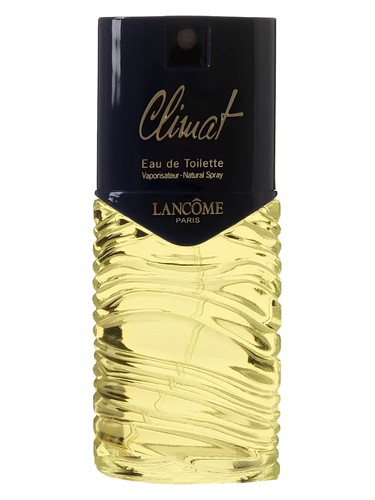
The first spray of vintage Climat transports you to a formal garden after spring rain—crisp, luminous, and breathtakingly clean. There''s an immediate effervescence, that unmistakable aldehydic sparkle that characterized the finest perfumery of the 1960s, but here it''s tempered by the softest whisper of violet and the green freshness of lily-of-the-valley. This isn''t the sharp, soapy aldehydic opening some might expect; instead, Lancôme crafted something more nuanced—a champagne fizz of narcissus and bergamot that feels both celebratory and contemplative. Within moments, you understand you''re wearing something that belongs to a particular moment in perfume history, when white florals were treated as high art rather than mere prettiness.
The Scent Profile
Climat''s construction reveals itself like a well-written novel, in distinct yet seamlessly connected chapters. The opening act is a masterclass in restraint and abundance existing simultaneously. Narcissus and lily-of-the-valley form the backbone, their verdant, slightly watery quality preventing the composition from veering into saccharine territory. Violet adds a delicate powderiness, while jasmine and rose provide classical floral richness. The peach note is subtle—more of a soft fuzziness than fruity sweetness—and bergamot lends just enough citric brightness to keep everything lifted and luminous.
As the top notes settle, the heart reveals Climat''s true character. This is where the aldehydes truly shine, not as a screaming introduction but as an integral structural element that makes everything feel polished and radiant. The rosemary is an unexpected stroke of genius—aromatic and slightly medicinal, it cuts through the floral opulence with herbal precision. Tuberose arrives with its characteristic creamy intensity, though it never dominates; instead, it weaves through the composition like a thread of silk, adding texture and depth.
The base is where Climat shows its vintage pedigree most clearly. Civet and musk provide an animalic warmth that modern reformulations simply cannot replicate—a subtle skin-like quality that makes the perfume feel alive rather than merely applied. Vetiver and sandalwood anchor the florals with earthy, woody grounding, while bamboo (an unusual note for the era) adds a clean, slightly green dryness. Amber and tonka bean emerge in the final hours, wrapping everything in a gently sweet, powdery embrace that feels like cashmere against skin.
Character & Occasion
Climat is emphatically a daytime perfume, which the community data confirms with absolute certainty. This is what you wear to make an impression in the light—whether at a spring garden party, an autumn art gallery opening, or a winter business meeting where you want to project elegance without aggression. Spring emerges as its perfect habitat (82% seasonal preference), which makes complete sense given the narcissus and lily-of-the-valley composition, though it transitions beautifully into fall (66%) when its woody base notes provide comforting warmth.
The relatively lower summer rating (40%) is telling—this is not a light, breezy fragrance that disappears in heat. It has presence, sophistication, and staying power. While it can certainly be worn in the evening (57% night suitability), Climat truly excels in scenarios where its fresh, aldehydic character can be fully appreciated: professional settings, daytime celebrations, refined afternoon occasions.
This is a perfume for someone who appreciates perfumery as craft rather than accessory. It rewards patience and understanding, revealing different facets throughout its wear. The white floral dominance (100%) combined with high freshness (96%) and aldehydic character (93%) creates a profile that feels both classic and somewhat reserved—not for someone seeking contemporary fruitiness or gourmand comfort.
Community Verdict
With a solid 4 out of 5 rating from 1,678 votes, Climat has earned genuine respect from those who''ve experienced it. This isn''t a cult obscurity with twelve devoted fans—it''s a well-regarded classic that has stood the test of time despite limited availability in its vintage formulation. The rating suggests broad appreciation tempered by the reality that aldehydic white florals aren''t for everyone. Those who love this style tend to love it deeply; those who prefer modern sweet or fruity compositions may find it austere.
How It Compares
Climat exists in distinguished company. Its closest sibling is undoubtedly Chanel No 5 Parfum, sharing that aldehydic sparkle and floral richness, though Climat leans slightly greener and less powdery. Knowing by Estée Lauder offers similar sophistication with more pronounced chypre elements. Fidji by Guy Laroche shares the fresh, green floral character, while Anais Anais presents a softer, more innocent interpretation of white florals. Paloma Picasso brings comparable complexity and vintage sensibility but with darker, spicier overtones.
Where Climat distinguishes itself is in that precise balance between freshness and depth, between aldehydic brightness and creamy floral warmth. It''s less severe than No 5, less overtly sexy than Knowing, more substantial than Anais Anais.
The Bottom Line
Vintage Climat deserves its 4-star rating—it''s an exceptional perfume that stops just short of universal masterpiece status, primarily because its style is unapologetically specific. If you love classic aldehydic florals, this is essential wearing. If you''re exploring vintage perfumery to understand what sophistication meant in 1967, Climat is your textbook.
The challenge, of course, is finding authentic vintage bottles, as modern reformulations reportedly lack the civet and musk richness that made the original so compelling. For those willing to hunt, the reward is a perfume that wears with effortless elegance, projects quiet confidence, and connects you to a golden age of French perfumery. This is history you can wear—and unlike many vintage fragrances, it still feels entirely wearable today.
Critique éditoriale générée par IA