Premières Impressions
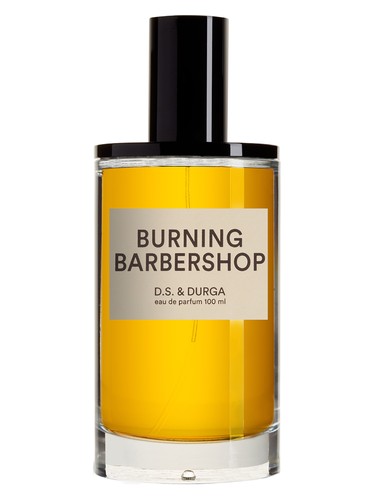
Le nom promet quelque chose de paradoxal, et DS&Durga tient cette promesse dès le premier vaporisateur. Burning Barbershop s''ouvre sur le fantôme d''un millier de rasages vintage—cette clarté de lavande incontournable qui définissait les soins de rasage masculins du milieu du siècle—mais il y a de la fumée dans l''air. Ce n''est pas le cologne de barberie de votre grand-père préservé dans l''ambre ; c''est cette même barberie au crépuscule, après que les chaises aient été renversées et que quelque chose ne couve dans le coin. Le premier souffle est profondément aromatique, avec la lavande dominant à pleine puissance aux côtés d''une verdeur forestière, presque au niveau du sol, qui empêche la composition de basculer dans un territoire purement nostalgique. Il y a une qualité intellectuelle ici, une réinterprétation étudiée des tropes classiques qui annonce l''approche conceptuelle de DS&Durga en matière de parfumerie.
Le Profil Olfactif
Sans ventilation officielle des notes divulguée, Burning Barbershop se révèle à travers sa structure d''accord dominant—et quelle structure c''est. La lavande commande la composition à une présence absolue, mais ce n''est pas la lavande aigre et médicinale des savons utilitaires. Au lieu de cela, elle arrive avec une qualité arrondie, presque tactile, qui suggère à la fois des tiges fraîchement coupées et des bouquets séchés suspendus aux chevrons.
Le caractère aromatique—enregistré à 99% d''intensité—crée un cadre qui est simultanément propre et complexe. Pensez moins à des notes herbales singulières et plus à l''effet cumulatif de l''arsenal entier d''une barberie traditionnelle : la morsure astringente de l''après-rasage, le confort poudreux du talc, la clarté rituelle de tout cela. Mais vient ensuite cet accord vert remarquable à 88%, qui éloigne toute l''expérience de la pure nostalgie. Cette qualité verdoyante ajoute une dimension presque bucolique, comme si la porte de la barberie avait été laissée ouverte sur un jardin envahi d''herbes sauvages.
Au fur et à mesure que le parfum évolue, des éléments épicés frais émergent à 77% de puissance, fournissant une chaleur douce qui justifie ce « brûlant » dans le nom. Ce n''est pas agressif—plus comme la chaleur du bois chauffé par le soleil ou la piqûre douce du bay rum. La vraie surprise arrive dans le drydown, où la vanille à 66% crée une douceur inattendue, une sucrerie qui ne devient jamais gourmande mais se lit plutôt comme du confort, comme la mémoire, comme la sucrerie subtile de la lotion capillaire et de la nostalgie. Un courant d''agrumes à 63% s''entrelace dans toute l''évolution, gardant tout élevé et empêchant la composition de devenir trop lourde ou introspective.
Caractère et Occasion
Les données communautaires révèlent Burning Barbershop comme décidément un compagnon de temps frais. L''automne commande 100% de convenance, l''hiver de près à 90%—et cela a tout son sens. Le cœur lavande-aromatique a assez de poids et de chaleur pour tenir face à l''air froid, tandis que cette combinaison vanille-épice crée une qualité enveloppante qui semble appropriée quand vous êtes enveloppé de laine et de cuir. Le printemps, à 52%, reste un territoire viable, particulièrement lors de ces jours de transition qui ne peuvent pas décider leur saison. L''été, à seulement 18%, n''est clairement pas l''habitat naturel de ce parfum ; l''intensité aromatique et la sucrerie vanillée seraient probablement oppressantes dans la chaleur.
Intéressamment, la division jour/nuit révèle de la polyvalence : 73% approprié en journée par rapport à 80% approprié en soirée. C''est un parfum rare qui se fait vraiment bien la transition, assez professionnel pour le bureau (cet ADN classique de barberie confère une propriété inhérente) tout en possédant assez de profondeur et de mystère pour le dîner ou les verres. La classification masculine semble exacte sans être exclusionnaire—c''est un parfum enraciné dans les rituels traditionnels de toilettage masculin mais exécuté avec assez de sophistication pour transcender les frontières rigides des genres.
Verdict Communautaire
Avec 778 votes atterrissant à 3,8 sur 5, Burning Barbershop s''installe confortablement dans le territoire « très bon » sans prétendre à l''adoration universelle. Cette note semble appropriée pour un parfum aussi conceptuel. Il n''essaie pas de plaire à tout le monde ; il fait une déclaration artistique spécifique sur l''intersection de la tradition et de la modernité, de la mémoire et de la réinvention. Le nombre de votes solide suggère un engagement authentique—ce n''est pas une curiosité obscure mais plutôt un parfum qui a trouvé son public et suscité une conversation significative. Cette note près de 4 étoiles de centaines de porteurs indique une composition qui tient ses promesses tout en maintenant une certaine controverse, ce qui est souvent la marque d''une parfumerie intéressante.
Comment Il Se Compare
L''ensemble de comparaison révèle le positionnement ambitieux de Burning Barbershop. Être mentionné aux côtés de Terre d''Hermès suggère une sophistication partagée et une sécheresse aromatique. La connexion avec L''Air du Desert Marocain de Tauer fait allusion à l''audace conceptuelle et à la structure inhabituelle. Les liens avec Musc Ravageur et Oud Wood indiquent une chaleur et une sensualité inattendues lurking sous cet extérieur traditionnel, tandis qu''Encre Noire suggère des qualités austères, presque ascétiques. C''est une compagnie distinguée—des parfums qui défient les catégories conventionnelles et récompensent la contemplation. Burning Barbershop tient son propre dans ce groupe en offrant quelque chose qu''aucun d''eux ne fait tout à fait : une déconstruction des tropes classiques de la barberie américaine à travers une lentille distinctement artistique.
Le Verdict Final
Depuis sa sortie en 2010, Burning Barbershop s''est établi comme la pièce maîtresse de DS&Durga sur l''héritage du parfum masculin—une lettre d''amour écrite en fumée et lavande à un passé idéalisé qui n''a jamais vraiment existé. La note de 3,8 et le nombre de votes substantiel suggèrent un parfum qui récompense ceux qui recherchent quelque chose au-delà de l''attrait de masse, bien qu''il ne soit pas assez difficile pour aliéner les amateurs de cologne à la recherche d''une sophistication accessible.
C''est un territoire essentiel pour quiconque s''intéresse à la façon dont la parfumerie artisanale contemporaine réinterprète les codes masculins classiques. Si vous vous êtes jamais demandé ce qui se passerait si le cologne traditionnel de barberie grandissait, développait des ambitions artistiques et s''installait à Brooklyn, c''est votre réponse. Mieux adapté à ceux qui apprécient le parfum comme conversation et concept, pas seulement du liquide qui sent bon. À son prix dans la gamme de niche mais accessible, il représente une valeur solide pour une pièce distinctive et portable de narration olfactive qui fonctionne magnifiquement dans les saisons qui comptent le plus.
Critique éditoriale générée par IA