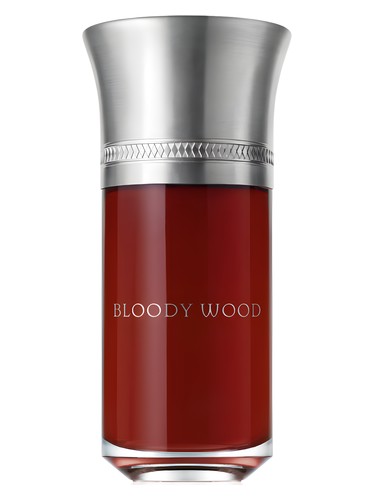
First Impressions
The first spray of Bloody Wood is an act of olfactory audacity. Imagine uncorking a bottle of full-bodied Bordeaux in the middle of a dense forest—the liquid glugs into a crystal glass while sap-sticky branches press close. That initial burst delivers exactly what the name promises: wine-soaked wood with a floral edge that stops just short of overwhelming. Rose and violet peek through the vinous haze like embroidered patterns on the label of an expensive bottle, softening what could have been an aggressively masculine composition into something decidedly more complex. This is a fragrance that announces itself unapologetically, yet with enough refinement to intrigue rather than assault.
The Scent Profile
The opening accord centers on red wine with an intensity that borders on photorealistic. Les Liquides Imaginaires hasn''t simply nodded to wine as a passing reference—they''ve made it the structural backbone. Rose and violet swirl through this vinous introduction, adding a powdery, slightly old-fashioned femininity that creates an immediate tension with the boozy darkness. It''s the scent equivalent of red lipstick stains on a wine glass rim.
As Bloody Wood settles into its heart, the composition reveals its fruit basket. Cherry emerges first, tart and jammy, followed by raspberry and broader fruity notes that read like a preserved compote opened in mid-winter. But this isn''t the bright, sparkling fruit of summer fragrances. These are wine-macerated fruits, darkened and deepened by fermentation, their sweetness tempered by tannic edges. The red wine accord persists through the heart, refusing to yield the spotlight, creating a through-line that keeps the composition from fragmenting into disconnected phases.
The base is where Bloody Wood earns its name in full. Woody notes dominate with an authority that the data confirms at 100%—this is unquestionably, unarguably a woody fragrance. Oak brings the specific character of wine barrels, those charred interiors that have absorbed decades of vintages. Sandalwood adds creaminess and prevents the composition from becoming too austere, too dry. This base has staying power, the kind that lingers on clothing and skin for hours, gradually losing its fruity sweetness but never its fundamental woody-wine character.
Character & Occasion
The data speaks clearly here: Bloody Wood is a cool-weather companion. With fall scoring a perfect 100% and winter following at 63%, this is emphatically not a fragrance for humid afternoons or beach vacations. It demands the crisp air of autumn leaves underfoot, the first frost on windows, the season when drinking red wine shifts from indulgence to necessity.
The day-night split (48% day versus 73% night) reveals its versatility while acknowledging its natural habitat. Yes, you could wear this to a daytime event—a gallery opening, an upscale brunch—but it truly comes alive after dark. This is a fragrance for dinner parties where the conversation turns serious, for theatrical performances, for evening walks through city streets where your scent trail turns heads.
Despite its feminine classification, Woody Blood plays with gender conventions. The rose accord keeps it tethered to traditional femininity, but the dominant woody-wine character invites sharing. This could easily become a signature scent for someone who rejects sweetly pretty florals in favor of something with more edge, more story, more risk.
Community Verdict
With 1,734 votes landing at 3.91 out of 5, Bloody Wood occupies interesting territory. This isn''t a universally beloved crowd-pleaser, nor is it a niche curiosity with limited appeal. That rating suggests a fragrance that inspires strong reactions—some find it brilliant, others find it challenging. The substantial vote count indicates genuine interest; people are seeking this one out, forming opinions, engaging with it critically.
That near-4-star rating, combined with the voting volume, marks Bloody Wood as worth exploring. It''s successful enough to have found its audience, controversial enough to remain interesting. These aren''t the numbers of a safe, forgettable scent.
How It Compares
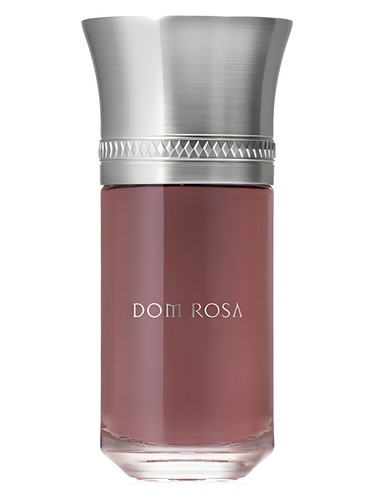
Within the Les Liquides Imaginaires lineup, Bloody Wood shares DNA with Bello Rabelo and Dom Rosa, both exploring the house''s fascination with liquid metaphors and unexpected juxtapositions. The comparison to Lalique''s Encre Noire—a brutally dark woody-vetiver masterpiece—suggests Bloody Wood''s serious structural ambitions. Nasomatto''s Baraonda and By Kilian''s Angels'' Share both play in the boozy-woody sandbox, though Angels'' Share leans sweeter and more cognac-forward, while Baraonda emphasizes whiskey and roses.
What distinguishes Bloody Wood is its commitment to the wine accord specifically. Where others reference bars and distilleries, this references vineyards and cellars. It''s a different kind of intoxication—more contemplative than hedonistic.
The Bottom Line
Bloody Wood won''t be everyone''s glass of wine, and that''s precisely its strength. Les Liquides Imaginaires created something with conviction, a fragrance that knows exactly what it wants to be and refuses to compromise for broader appeal. The 3.91 rating reflects this honesty—it''s polarizing by design.
This fragrance rewards those with adventurous tastes and confidence in their choices. If you gravitate toward woody fragrances but find them monotonous, if you''re curious about wine notes beyond passing mentions, if you want a feminine fragrance that challenges expectations rather than confirms them, Bloody Wood deserves a spot on your testing list. Just save it for sweater weather and evening hours, when its full character can unfold without constraint.
Critique éditoriale générée par IA