First Impressions
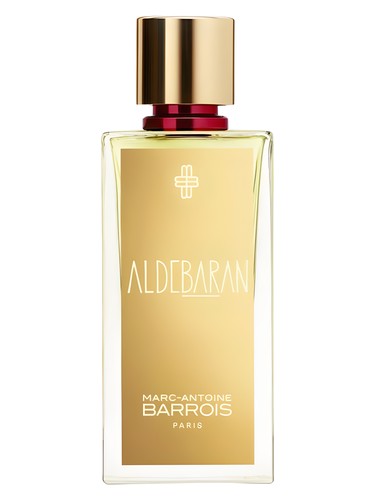
The first spray of Aldebaran announces itself with unapologetic boldness. This is tuberose unbound—not the polite, powdered version found in department store florals, but something feral and alive. Marc-Antoine Barrois, known for pushing boundaries in niche perfumery, has crafted a 2025 release that immediately signals its refusal to play by conventional rules. The tuberose here arrives with an almost narcotic intensity, creamy yet sharp, botanical yet somehow carnal. There''s an electricity in that opening moment, a sense that this white flower has been plugged into a live current.
What strikes you within seconds is the tension. Yes, there''s the expected opulence of tuberose—that indolic richness, that creamy-waxy texture—but it''s been deliberately destabilized. Something else is lurking just beneath that floral canopy, something that prickles and warms. This isn''t a fragrance that wants to seduce you gently. It wants your attention, immediately and completely.
The Scent Profile
Aldebaran''s structure reveals itself as a study in contrasts, beginning with that commanding tuberose top note. At 100% dominance in the accord breakdown, this is indisputably a tuberose fragrance first and foremost. But it''s the supporting cast that makes the story interesting. The white floral accord registers at 80%, confirming that lush, heady quality that anyone familiar with tuberose will recognize—that mentholated greenness mixed with butter-soft petals.
As the composition opens up, the heart reveals its most unexpected pivot: paprika and mate. This is where Aldebaran earns its 67% warm spicy rating and distinguishes itself from every garden-variety tuberose on the market. The paprika doesn''t read as culinary or overtly peppery; instead, it adds a subtle heat, a tingling sensation that hovers around the edges of that white floral explosion. It''s the fragrance equivalent of feeling your cheeks flush. The mate brings an herbal, almost smoky dimension—earthy and slightly bitter—which accounts for the 46% aromatic accord. Together, these heart notes create an unusual bridge, keeping the tuberose from becoming too pretty, too safe.
The base settles into tonka bean territory, that comfort-food warmth of coumarin, almond-like sweetness, and hay-like softness. This is where Aldebaran finds its grounding, though "grounding" might be too tame a word for a fragrance that maintains a 30% animalic accord. There''s a muskiness here, a skin-scent quality that feels lived-in and intimate. The tonka doesn''t simply sweeten and soften—it adds weight and persistence, allowing those spicy and floral elements to continue their conversation on the skin for hours.
Character & Occasion
Here''s where Aldebaran becomes genuinely intriguing from a wearability standpoint. The data suggests this fragrance operates outside the typical day-versus-night binary—it registers 0% for both categories, which initially seems paradoxical. In practice, this means Aldebaran carves out its own temporal space. It''s neither a bright morning floral nor a stereotypical evening bombshell. Instead, it exists in those in-between moments: late afternoon meetings that stretch into evening, the transitional hour before dinner, moments that require both sophistication and presence.
Seasonally, Aldebaran is marked as all-seasons appropriate, and this makes sense when you consider its architecture. The fresh accord (39%) keeps it from becoming too heavy for warmer weather, while that warm spicy element and tonka base provide enough substance for cooler months. That said, this is a fragrance that will perform differently depending on when you wear it—expect the spicy elements to bloom in heat, while the tonka might take center stage in cold.
Marketed as feminine, Aldebaran will certainly appeal to those who love bold, unapologetic white florals. But its unconventional construction—that paprika kick, that mate earthiness—makes it compelling for anyone who finds traditional tuberose fragrances too one-dimensional.
Community Verdict
With 1,769 votes tallying to a 3.25 out of 5 rating, Aldebaran occupies interesting middle ground. This isn''t a universally adored crowd-pleaser, nor is it a polarizing disaster. Instead, the rating suggests a fragrance that rewards those who seek it out, but might perplex those expecting a straightforward floral experience.
That score likely reflects the divided response to Aldebaran''s experimental heart—some will find the paprika-mate combination thrilling and original, while others might wish for a more classical tuberose treatment. The substantial vote count indicates genuine interest and engagement, which for a 2025 release from a relatively niche house is noteworthy.
How It Compares
The comparison set tells us how Aldebaran is being positioned: alongside Carnal Flower by Frederic Malle (the gold standard of modern tuberose), Blanche Bête by Les Liquides Imaginaires (another animalic-inflected white floral), and surprisingly, Baccarat Rouge 540 and Ani by Nishane. The latter two aren''t tuberose fragrances at all, which suggests that Aldebaran''s warm, spicy qualities and its unconventional character place it in conversation with other boundary-pushing compositions.
Against Carnal Flower''s pure, almost photorealistic tuberose, Aldebaran feels deliberately more abstract and spiced. Where Black Orchid goes gothic and overtly sensual, Aldebaran maintains a certain brightness, that 39% fresh accord keeping things from tipping into darkness.
The Bottom Line
Aldebaran is a fragrance for those who love tuberose but have grown weary of predictable interpretations. Marc-Antoine Barrois has created something that respects the flower''s inherent drama while refusing to let it dominate completely. The addition of paprika and mate is genuinely unusual—not just novelty for its own sake, but a thoughtful recontextualization of what a white floral fragrance can be.
That 3.25 rating shouldn''t discourage exploration; it simply means this isn''t everyone''s tuberose. If you found Carnal Flower too straightforward, or if you''re intrigued by the idea of a spiced, slightly animalic take on white flowers, Aldebaran deserves time on your skin. It''s imperfect, perhaps a bit unruly, but never boring—and in 2025''s crowded fragrance landscape, that counts for something considerable.
Critique éditoriale générée par IA