First Impressions
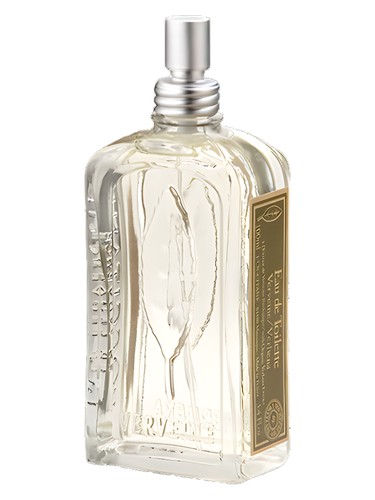
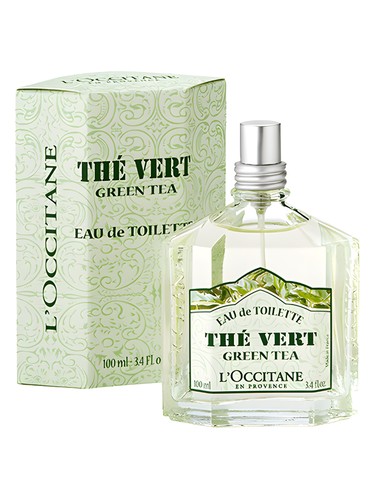
The first spray of Thé Vert catches you somewhere between a sun-drenched orange grove and a steaming cup of sencha. There's an immediate brightness—a burst of bitter orange that's more peel than juice, sharp and aromatic rather than sweet. This isn't the polite citrus of luxury perfumery; it's alive, almost crackling with vitality. Within seconds, something verdant rises beneath it, a green whisper that promises tea leaves unfurling in hot water. For a fragrance released in 1999, Thé Vert feels remarkably modern, perhaps because its aesthetic—clean, natural, unpretentious—has become the lingua franca of contemporary freshness.
L'Occitane en Provence built its reputation on capturing the essence of southern France, yet here they've ventured eastward, borrowing from Asian tea culture while maintaining that distinctive Mediterranean brightness. The result is a curious hybrid that shouldn't work on paper but proves utterly convincing on skin.
The Scent Profile
The opening is dominated by orange in both its forms—sweet orange and its more astringent cousin, bitter orange. Together, they create a citrus experience that's three-dimensional rather than flat. The bitter orange adds a sophisticated edge, a touch of rind oil that prevents the composition from veering into simple cheerfulness. This citrus blast is robust enough to earn its 100% accord rating, and it lingers longer than you'd expect from typical top notes.
As the initial effervescence settles, green tea emerges as the true protagonist. It's accompanied by maté, that South American cousin to traditional tea that brings a slightly earthy, herbaceous quality. The green accord here registers at 88%, and you understand why—this is a fragrance that commits fully to its verdant identity. Jasmine weaves through the heart, providing just enough white floral sweetness to prevent the composition from becoming too austere. At 47% on the white floral accord scale, it's present but diplomatic, never overwhelming the tea-centric vision.
The base is where Thé Vert reveals its Provençal roots. Cedar provides woody structure, but it's the thyme and nutmeg that truly anchor this to Mediterranean terroir. Thyme—so central to the scrubland herbs of southern France—adds an aromatic quality that complements rather than competes with the green tea. Nutmeg brings warmth without heaviness, a fresh-spicy character (83% accord rating) that gives the fragrance unexpected staying power. This isn't a base that weighs you down; it's more like a gentle landing after the exhilarating flight of citrus and green.
Character & Occasion
Thé Vert wears like perpetual morning, regardless of when you actually spray it. The data shows equal viability across all seasons, and once you experience it, this makes perfect sense. In spring and summer, it feels like second skin—refreshing without being cold, bright without being sharp. Come autumn and winter, it offers a memory of warmer days without feeling out of place; that cedar and spice in the base provide just enough substance to stand up to cooler weather.
This is unequivocally a daytime fragrance, though not in a limiting way. It suits the office as easily as a weekend market visit, yoga class as naturally as lunch with friends. The fresh-spicy character prevents it from feeling too casual, while the overall lightness ensures it never overwhelms a professional setting. It's particularly well-suited to those who want to smell clean and put-together without broadcasting their presence across a room.
The feminine designation feels somewhat arbitrary here—this is green tea and citrus, after all, not roses and vanilla. Anyone drawn to fresh, natural-feeling fragrances will find Thé Vert wearable, regardless of gender identity.
Community Verdict
With 633 voters awarding it a 4.14 out of 5 rating, Thé Vert has earned genuine respect within the fragrance community. This isn't a score inflated by marketing hype or Instagram buzz—it's a quarter-century-old fragrance that continues to find new admirers. That kind of longevity speaks to a formula that got something fundamentally right.
The rating suggests a fragrance that delivers on its promise without pretending to be something it's not. It won't give you groundbreaking complexity or transform dramatically throughout the day, but it will provide exactly what its name suggests: green tea, beautifully rendered, with a citrus-spiced Mediterranean twist.
How It Compares
Thé Vert exists in conversation with Elizabeth Arden's Green Tea—perhaps the genre-defining fragrance for this category. Where Arden's version leans sweeter and more accessible, L'Occitane's interpretation feels slightly more sophisticated, with that bitter orange opening and herbal base adding complexity.
It shares DNA with Guerlain's Aqua Allegoria Herba Fresca in its commitment to green freshness, though the latter skews mintier. The comparison to Light Blue by Dolce & Gabbana is more about mood than composition—both deliver effortless, summery freshness, though through different means. References to Hermès' Un Jardin Sur Le Nil and Chanel's Chance Eau Fraîche place Thé Vert in prestigious company, suggesting it punches above its weight in terms of quality and wearability.
The Bottom Line
Thé Vert represents exceptional value in the fresh fragrance category. While concentration information isn't specified, the longevity proves respectable, and L'Occitane's typically accessible pricing makes this an easy recommendation for those exploring citrus-green fragrances without luxury-house investment.
This is a fragrance for realists—people who want to smell good without making a statement, who value quality over prestige, who understand that sometimes the most sophisticated choice is also the most straightforward. If you find yourself reaching repeatedly for fresh, uncomplicated scents that still show some thought in their construction, Thé Vert deserves a place on your shelf. Twenty-five years after its release, it remains proof that a simple idea, executed well, never goes out of style.
Reseña editorial generada por IA