First Impressions
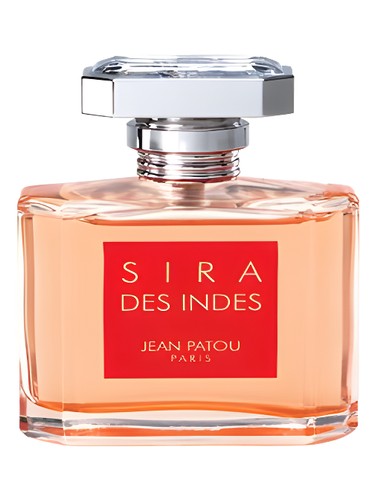
The first spray of Sira des Indes is an unabashed declaration of sweetness—but not the saccharine, one-dimensional variety. Instead, Jean Patou''s 2006 creation opens with an audacious tropical flourish that immediately transports you somewhere warm, humid, and decidedly exotic. That banana note—yes, actual banana—mingles with the bright citrus of bergamot and the gentle sweetness of pear, all while pink pepper and cardamom weave through with their warm, tingling spice. It''s an opening that demands attention, perhaps even a double-take. This isn''t shy or minimalist; it''s a maximalist vision of India filtered through a distinctly French lens, where opulence meets refinement in a haze of golden sweetness.
The Scent Profile
The banana that greets you initially might raise eyebrows, but it''s handled with surprising sophistication. Rather than veering into candy territory, it reads as ripe, creamy, almost custard-like—a foundation for the spices to play against. The cardamom adds depth and complexity, while the pink pepper provides just enough edge to keep things interesting. Bergamot''s brightness prevents the opening from becoming too heavy, though make no mistake: sweetness dominates here at full intensity.
As Sira des Indes settles into its heart, the composition reveals its true character. Champaca—that creamy, exotic Indian flower with its intoxicating, slightly indolic quality—takes center stage alongside orange blossom. Here''s where the milk accord enters, and it''s a stroke of genius. It softens the florals, creating an almost skin-like creaminess that feels intimate and enveloping. The plum adds a subtle jamminess, another layer of fruit that deepens the sweetness without overwhelming. This middle phase is where the fragrance truly earns its "des Indes" designation; there''s something genuinely evocative of Indian temple flowers and rich, spiced sweets in this milky-floral blend.
The base brings much-needed grounding. Sandalwood—a natural companion to champaca in Indian perfumery—provides creamy woodiness that anchors all that fruit and florals. Vanilla and amber amplify the warmth and sweetness, while musk adds a subtle skin-scent quality that helps the fragrance nestle close. The powder accord that emerges here is soft and vintage-feeling, reminiscent of classic French perfumery''s love affair with talc-like textures. It''s a base that could easily feel dated, but somehow the combination of all these rich, sweet elements feels more opulent than old-fashioned.
Character & Occasion
Sira des Indes is primarily a daytime fragrance, suited perfectly for those moments when you want to make a sweet, warm impression without crossing into the heavier territory of evening perfumes. The data speaks clearly: this is a 100% day scent, though it can certainly transition into early evening with its 50% night rating.
Seasonally, this is where things get interesting. Fall claims the highest compatibility at 83%, which makes perfect sense—those creamy, spiced, fruity notes harmonize beautifully with autumn''s crisp air and cozy sweaters. But summer follows closely at 72%, suggesting that despite its richness, there''s enough brightness and tropical character to work in warmer weather. Spring registers at 61%, while winter trails at 47%. This is a fragrance that prefers transitional weather and sunny days over cold, dark nights.
Who is Sira des Indes for? Someone who isn''t afraid of sweetness, certainly. Someone who appreciates vintage-style orientals but wants something with a playful, fruity twist. This suits the wearer who loves attention, who enjoys leaving a trail, who sees fragrance as an expression of abundance rather than restraint.
Community Verdict
With 955 votes yielding a 3.73 out of 5 rating, Sira des Indes occupies solid middle ground. This isn''t a universally adored masterpiece, but it''s far from dismissed. That rating suggests a fragrance that has found its audience—people who truly love it—while acknowledging it won''t be everyone''s cup of (milky, spiced) tea. The significant vote count indicates genuine interest and discussion; this isn''t a forgotten footnote in Jean Patou''s catalog, but rather a fragrance that continues to intrigue and divide opinion.
How It Compares
The comparisons to Casmir by Chopard, Poison by Dior, and Angel by Mugler place Sira des Indes squarely in the category of bold, sweet orientals that defined late 20th and early 21st-century feminine perfumery. Like these siblings, it eschews subtlety for impact. The Coco Eau de Parfum and LouLou references point to that vintage, powdery quality lurking in the base.
Where Sira des Indes distinguishes itself is in that unique banana-milk-champaca combination. While Angel goes gourmand with its chocolate-patchouli, and Poison leans into spicy plum darkness, Sira des Indes carves out tropical-floral-creamy territory that feels more explicitly "exotic" in inspiration, if not always in execution.
The Bottom Line
Sira des Indes is a fragrance for those who mourn the passing of big, unabashedly sweet perfumes. In an era increasingly dominated by fresh, clean, and minimalist scents, this 2006 Jean Patou offering feels almost defiant in its richness. The 3.73 rating reflects exactly what it is: a love-it-or-leave-it proposition that rewards those willing to embrace its particular vision.
Should you try it? Absolutely, if you have any affection for sweet fruity florals or vintage-style orientals. This isn''t a safe blind buy, but it''s worth seeking out a sample. Those who adore the referenced fragrances—particularly Casmir and the sweeter orientals—should make this a priority. Just be prepared for that banana opening; it''s the price of admission to a thoroughly indulgent, creamy, spice-laced experience that genuinely delivers on its promise of exotic sweetness.
Reseña editorial generada por IA