First Impressions
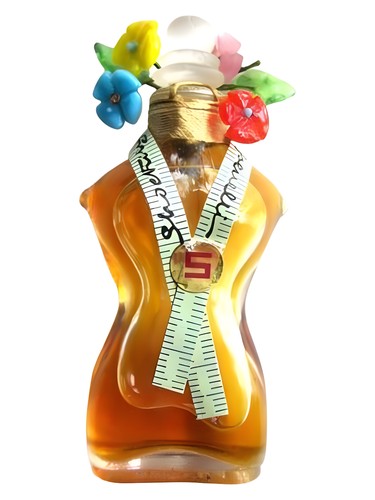
The first spray of Shocking is a study in contrasts—a collision of propriety and provocation that perfectly encapsulates its 1937 origins. Aldehydes fizz and sparkle across the skin like champagne bubbles at a Surrealist salon, tempered immediately by the green, almost bitter snap of tarragon. This isn''t the demure aldehydic haze of its contemporaries; there''s something sharper here, more confrontational. Bergamot adds a brief citric brightness before the composition plunges headlong into its true character: a deeply musky, animalic cloud with powdery softness that announces itself without apology. This is perfume as architecture, as art object, as statement—exactly what you''d expect from the woman who put lobsters on evening gowns.
The Scent Profile
The opening act, while fleeting, sets the stage with its triumvirate of aldehydes, tarragon, and bergamot. The aldehydes provide that vintage soapy-waxy texture that perfume lovers either worship or flee from, while tarragon—an unusual choice even now—contributes an herbal, slightly licorice-like edge that prevents the composition from becoming too sweet or predictable. The bergamot is there more as a suggestion than a statement, a whisper of brightness before the curtain rises on the main performance.
The heart is where Shocking reveals its 1930s soul. White honey acts as the golden thread weaving through a garden of white and yellow florals: narcissus with its green, slightly indolic edge; jasmine radiating its creamy sensuality; rose providing classic structure; and ylang-ylang adding its banana-custard sweetness. This isn''t a soliflore experience—each flower maintains its distinct personality while contributing to a unified vision. The honey accord (registering at 65% according to its profile) keeps everything viscous and rich, lending an almost edible quality that''s tempered by the more austere narcissus.
But it''s the base where Shocking earns its name—and its 69% animalic rating. Civetta (civet) prowls at the foundation, that infamous cat-derived note that gives vintage perfumes their skin-like, feral warmth. Alongside musk, it creates an intimate, almost scandalously close-to-the-skin effect that modern noses might find challenging. Sandalwood and amber provide woody warmth (58% woody accord), while clove adds spicy heat and patchouli contributes its earthy, slightly chocolate-tinged depth. The overall effect is a 100% musky composition with 72% powdery characteristics—a vintage powder puff laced with animal magnetism.
Character & Occasion
Shocking is emphatically a cold-weather companion, with community data showing 84% winter and 79% fall suitability. This makes perfect sense; the heavy animalic base and rich honey-floral heart would feel suffocating in summer heat (only 25% summer appropriate), but wrapped in cashmere and wool, it becomes a second skin—warming, enveloping, luxurious. Spring wearers (38%) might reserve it for cooler evenings when narcissus blooms in shadowed gardens.
The day/night breakdown tells an interesting story: while 57% find it suitable for daytime, it reaches its full 100% potential after dark. This is a perfume that transforms under artificial light, in intimate settings, when proximity matters. Picture it at a velvet-curtained dinner party, an opening night at the opera, an after-hours gallery viewing. It''s sophisticated enough for professional settings if applied with restraint, but it truly blooms in social evening contexts.
Who should wear Shocking? Someone who appreciates perfume history and isn''t afraid of vintage character. Someone who understands that animalic doesn''t mean unwearable—it means warmth, depth, complexity. The woman (or man—perfume has no gender) who wears Shocking is confident enough to smell different, sophisticated enough to carry it off.
Community Verdict
Here''s where things get interesting: despite its impressive 4.31 out of 5 rating across 344 votes, the Reddit fragrance community discussions yielded no specific opinions about Shocking in the analyzed content. This absence is itself telling—Schiaparelli Shocking exists in that rarefied space of vintage classics that garner respect but limited contemporary conversation. It''s a museum piece that''s still wearable, a historical artifact that remains relevant, yet it doesn''t generate the buzz of newer releases or the cult devotion of more accessible vintage fragrances like Shalimar or Mitsouko.
The lack of community discourse suggests that Shocking remains somewhat overlooked in modern fragrance conversations, overshadowed perhaps by Chanel''s offerings from the same era. This makes it something of a connoisseur''s choice—appreciated by those who seek it out, but not evangelized in the same way as other vintage powerhouses.
How It Compares
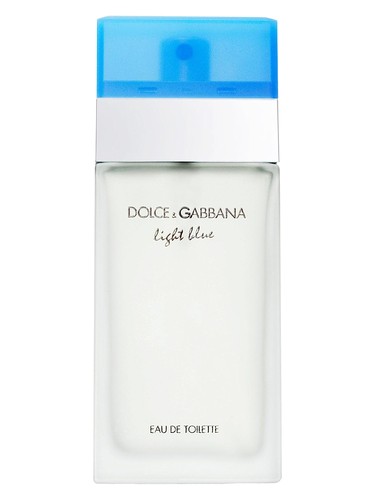
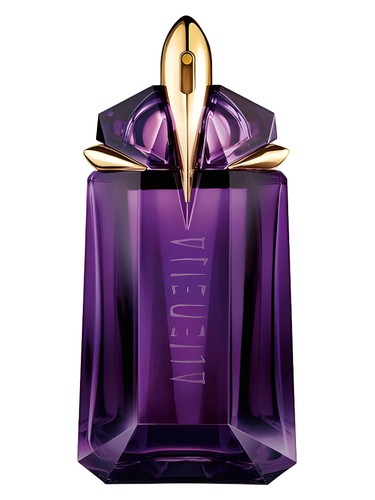
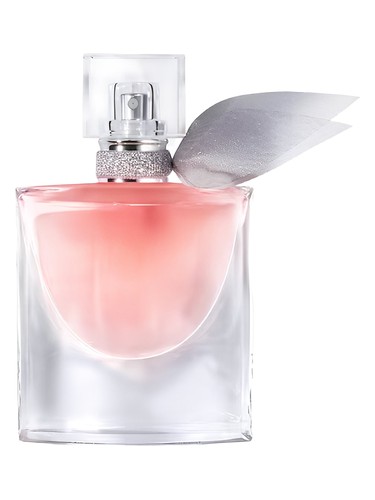
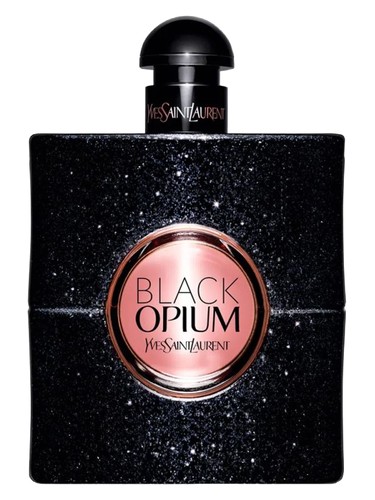
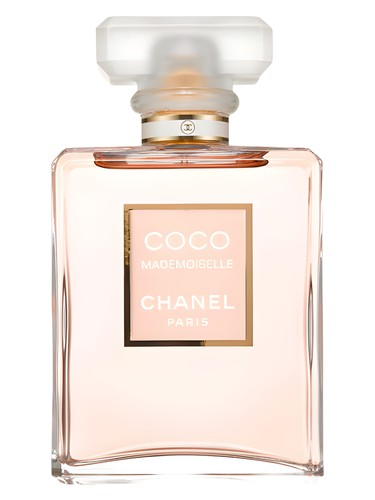
Shocking sits comfortably among the grande dames of classic perfumery. Its kinship with Chanel No. 5 Parfum is evident in the aldehydic-floral structure, though Shocking leans heavier into honey and animalic warmth. Paloma Picasso shares that bold, spicy confidence, while Tabu and Bal à Versailles are fellow travelers in the animalic-floral realm—though both arguably go even further into provocative territory. Coco Eau de Parfum represents a later, more refined interpretation of similar themes: baroque florals, spice, and powdery elegance.
Within this constellation, Shocking distinguishes itself through the honey accord and that distinctive tarragon opening—small details that prevent it from being just another aldehydic floral from the era.
The Bottom Line
With a 4.31 rating, Shocking has earned genuine admiration from those who''ve experienced it. This isn''t a niche darling inflated by hype, nor a mass-market pleaser designed for universal appeal. It''s a serious fragrance for serious perfume lovers—those willing to engage with vintage aesthetics and animalic notes that modern perfumery has largely abandoned.
Should you try it? If you already love fragrances like Bal à Versailles, Tabu, or vintage Coco, absolutely. If you''re curious about perfume history and want to smell what sophistication meant in 1937, yes. If you prefer fresh, clean, linear modern compositions, perhaps start elsewhere. Shocking requires context, appreciation, and a willingness to meet it on its own terms—but for those who do, it offers a time-capsule experience of artistry that''s increasingly rare in contemporary perfumery.
Reseña editorial generada por IA