First Impressions
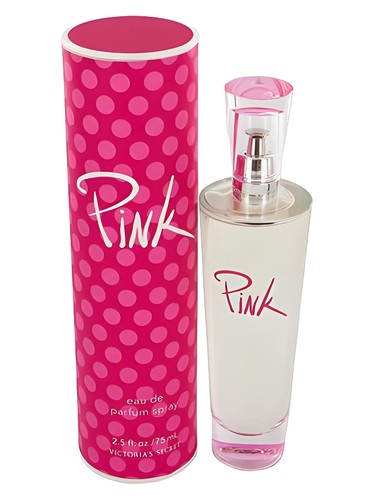
The first spritz of Pink 2001 delivers an unexpected sophistication that belies its mall-brand origins. Rather than the candy-sweet cloud you might anticipate, you're greeted with a bright, herbaceous burst—juniper berries and artemisia lending an almost gin-like crispness to the mandarin and bergamot. It's this aromatic edge, accounting for 64% of its accord profile, that transforms what could have been just another fruity floral into something with genuine character. The violet leaf adds a cucumber-like coolness, creating an opening that feels refreshingly clean without veering into laundry-detergent territory.
This isn't pink in the bubblegum sense. It's pink in the way dawn light filters through sheer curtains, or how fresh peonies look against white linen—there's brightness here, but also substance.
The Scent Profile
The evolution from top to base reveals a carefully constructed pyramid that respects both accessibility and nuance. Those opening notes—the juniper, artemisia, and citrus trio—maintain their presence longer than expected, creating a vibrant foundation that supports rather than surrenders to the heart.
As the fragrance settles, the floral bouquet emerges with textbook precision. Peony takes center stage, its lightly powdery, rosy-fresh character enhanced by the transparent sweetness of freesia. Lily-of-the-valley contributes that classic soapy-clean aspect that defined countless fresh florals of the era, while neroli bridges the gap between the citrus opening and the white flower heart. The composition leans into its floral identity completely—scoring a full 100% on the floral accord—yet never feels heavy or cloying. The green and fresh spicy accords (33% and 44% respectively) continue to provide architectural support, preventing the florals from becoming too soft or forgettable.
The base is where Pink 2001 makes its subtlest but most important move. Musk and vanilla provide the expected soft, skin-like warmth that made this fragrance so beloved for daily wear. But it's the inclusion of vetiver and sandalwood—traditionally masculine ingredients—that gives the composition its longevity and prevents it from fading into pure sweetness. The vetiver adds an earthy, slightly smoky quality that grounds the florals, while sandalwood lends a creamy, woody drydown that feels grown-up despite the youthful marketing.
Character & Occasion
Here's where Pink 2001 reveals its true genius: versatility. Rated for all seasons with equal success, this is the fragrance equivalent of that perfect white t-shirt—appropriate everywhere, forgettable nowhere. The fresh citrus and aromatic opening makes it entirely suitable for summer heat, while the musky-woody base provides enough warmth for autumn and winter wear. Spring, naturally, is where the peony and freesia heart truly shines.
The available data doesn't differentiate strongly between day and night wear, and that tracks with the fragrance's profile. This is decidedly a daytime scent—the freshness and florals lean toward office-appropriate, brunch-ready, running-errands territory rather than evening drama. It's the scent of productivity, of feeling put-together without trying too hard. The 60% citrus accord and 58% fresh accord ensure it never overwhelms in close quarters, making it ideal for workplaces, classrooms, or any situation where subtlety matters.
The target audience is clear: this was designed for the young woman establishing her signature scent, though its sophistication means it wears well across age groups. It's approachable without being juvenile, clean without being boring.
Community Verdict
With a solid 4.09 out of 5 rating based on 479 votes, Pink 2001 has clearly resonated beyond its initial demographic. That's a respectable score that speaks to consistent quality and broad appeal—this isn't a polarizing masterpiece or a disappointing dud, but rather a reliably pleasant fragrance that delivers what it promises.
Nearly 500 reviewers have taken the time to rate this scent, suggesting it maintains enough cultural relevance to attract ongoing interest more than two decades after its launch. For a mall brand release, that kind of staying power is noteworthy. The rating suggests that while this may not be anyone's desert-island, once-in-a-lifetime fragrance, it's one that people genuinely enjoy wearing and would recommend to others.
How It Compares
The similarity to Bright Crystal, Chance Eau Tendre, Clinique Happy, Light Blue, and Acqua di Gioia is revealing. These are the heavy hitters of the fresh floral category—fragrances that defined accessible luxury in the 2000s and 2010s. That Pink 2001 sits comfortably in this company, despite its significantly lower price point, speaks to the quality of its composition.
Where it distinguishes itself is in that aromatic opening and the inclusion of more unconventional notes like juniper and artemisia. While Light Blue leans harder into citrus and Happy goes sweeter, Pink 2001 occupies a middle ground—complex enough to interest those who find pure fresh florals boring, but approachable enough to work as a daily signature.
The Bottom Line
Pink 2001 deserves its strong rating and its place in fragrance history. This isn't a guilty pleasure or a nostalgic curiosity—it's a genuinely well-constructed fresh floral that holds its own against designer fragrances at three times the price. The aromatic-citrus opening provides interest, the floral heart delivers familiarity, and the woody-musky base ensures decent longevity.
Is it groundbreaking? No. Will it challenge your perception of what fragrance can be? Probably not. But it will make you smell clean, approachable, and quietly confident—and sometimes that's exactly what you need. For anyone building their first fragrance wardrobe or looking for a reliable everyday option that won't break the bank, Pink 2001 remains a smart choice. Twenty-plus years after its launch, it's clear this millennial pink has staying power in more ways than one.
Reseña editorial generada por IA