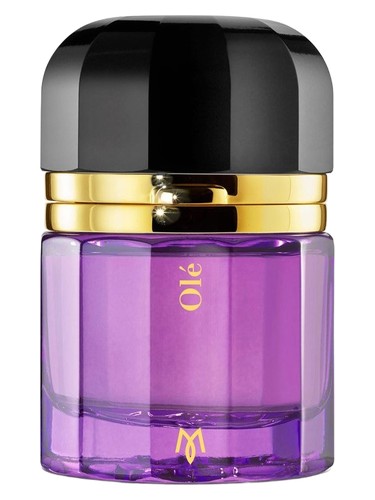
First Impressions
The first spray of Olé delivers an unabashed sugar rush—there''s no coy introduction here, no tentative whisper. Instead, Ramon Monegal opens with what can only be described as a jubilant shout: ripe pineapple and raspberry crash into plump dates with theatrical flair. This is sweetness worn proudly, almost defiantly, the olfactory equivalent of flamenco''s dramatic stamp and swirl. Yet beneath this candied fanfare lurks something more complex, a hint of the woody architecture that will later anchor this composition. Within moments, you realize this isn''t just another fruity-sweet feminine—it''s a fragrance with backbone.
The Scent Profile
Olé''s opening act centers on that commanding trio of pineapple, raspberry, and dates. The pineapple brings tropical brightness with its characteristic tangy sweetness, while raspberry adds a jammy, slightly tart quality that prevents the opening from tipping into cloying territory. The dates, however, are the revelation here—providing a honeyed, almost caramelized richness that gives depth to what could have been a one-dimensional fruit salad. This opening is uncompromisingly sweet, registering at a full 100% on the sweet accord scale, with fruity notes close behind at 86%.
As the initial fruit parade begins to settle, the heart reveals Monegal''s true vision. Cedar emerges as a significant player, its dry, pencil-shaving quality creating an intriguing contrast against the persistent sweetness. Jasmine and orchid weave through this woody core, adding white floral elegance without stealing the spotlight. The jasmine brings its characteristic indolic warmth, while orchid contributes a subtle powdery softness that explains the 24% powdery accord in the fragrance''s DNA. This marriage of cedar with white florals creates cognitive dissonance in the best way—it shouldn''t work on paper, yet on skin, it creates fascinating tension.
The base extends the woody theme even further. Balsam fir introduces a coniferous, almost resinous quality that deepens the cedar, while musk provides the necessary skin-like softness to prevent the composition from becoming too angular. Vanilla rounds everything out, though it''s not the bombastic gourmand vanilla of many sweet fragrances. Instead, it feels more like a supporting player, adding creamy smoothness rather than demanding attention. The result is a fragrance that maintains its 54% woody character even as sweetness remains the dominant force.
Character & Occasion
Despite its feminine classification and candy-sweet opening, Olé proves remarkably versatile across seasons. The community data reveals near-universal approval for spring wear (99%), with fall (95%) and summer (93%) close behind. Only winter lags at 58%, likely because the fragrance''s fresh elements—accounting for 33% of its profile—read cooler than the heavy ambers and spices typically associated with cold weather.
This is decidedly a daytime fragrance, scoring a perfect 100% for day wear, though it maintains respectable 85% approval for evening occasions. The sweet-woody combination projects confidence without aggression, making it appropriate for professional settings where you want to be remembered without overwhelming. The tropical elements (26% of the accord profile) give it a vacation-ready quality that makes sense poolside or at weekend brunches, while the cedar and musk provide enough sophistication for more formal daytime events.
The wearer profile skews toward those who appreciate sweetness but want more than standard fruity florals offer. This is for someone comfortable with fragrance that announces itself, who doesn''t mind a projection that enters the room a beat before they do.
Community Verdict
With a rating of 3.78 out of 5 based on 352 votes, Olé occupies solid, if not spectacular, territory. This score suggests a fragrance that delivers what it promises without reaching masterpiece status. The relatively healthy vote count indicates genuine community interest—this isn''t an obscure curio, but it hasn''t achieved blockbuster status either.
The rating likely reflects the fragrance''s polarizing nature: those who love unapologetic sweetness with an unconventional twist probably rate it highly, while those seeking subtlety or expecting a traditional Spanish-inspired composition may feel underwhelmed. At just under 3.8, it''s a fragrance worth exploring rather than blind-buying.
How It Compares
The comparison to Creed''s Aventus is telling—both share that pineapple-forward opening and woody development, though Aventus skews masculine and smoky where Olé remains resolutely feminine and sweet. The connection to Hacivat by Nishane reinforces this pineapple-woody archetype, suggesting Olé occupies the sweeter, more overtly feminine corner of this particular fragrance family.
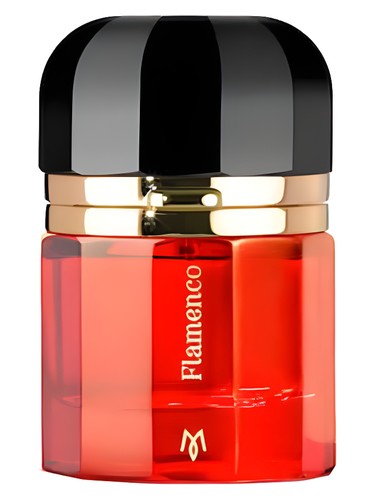
More surprising is the mention of Tobacco Vanille by Tom Ford and Gris Charnel by BDK Parfums—these are richer, more ambery compositions. The link likely comes through the vanilla and woody elements, though Olé remains considerably lighter and fruitier than either. The most logical comparison is probably Monegal''s own Flamenco, both capturing Spanish passion through different olfactory lenses.
The Bottom Line
Olé doesn''t reinvent perfumery, but it executes its vision with conviction. Ramon Monegal has crafted a fragrance that takes the commercial appeal of sweet fruity feminines and adds unexpected depth through cedar and balsam fir. It''s sweeter than many will prefer, yet more interesting than most in its category.
At 3.78 out of 5, the community consensus suggests competence rather than brilliance. For those who find themselves disappointed by the weightlessness of typical fruity florals, Olé offers a woody backbone worth investigating. For lovers of subtle, minimalist composition, look elsewhere—this fragrance has no interest in whispering.
Should you try it? If you''ve ever wished Aventus came in a feminine version with more sweetness and less smoke, absolutely. If you appreciate Spanish culture''s flair for dramatic expression, certainly. Just know what you''re getting: a fragrance that chooses exuberance over restraint, every single time.
Reseña editorial generada por IA