First Impressions
The first spritz of N°1 de Chanel L''Eau Rouge announces itself with an unapologetic crimson brightness. Red berries cascade across the skin alongside a vibrant citrus burst, creating an opening that feels simultaneously playful and refined. This is rose reimagined through a contemporary lens—not your grandmother''s powder-dusted vanity, but rather a bouquet caught in morning light, still glistening with dew. The "Rouge" in the name proves entirely apt; everything here skews toward that scarlet-tinted optimism, a fragrance that seems to insist on joy from the very first moment.
What strikes immediately is the lightness of touch. This isn''t a fragrance that demands attention through volume, but rather through its crystalline clarity. The red berry note provides just enough tartness to prevent the composition from tilting into saccharine territory, while the citrus elements add a sparkle that keeps the opening airy and approachable.
The Scent Profile
As L''Eau Rouge settles into its heart, the rose accord takes center stage—and given that it registers at 100% in the main accords, this comes as no surprise. But this isn''t a soliflore presentation. Instead, Chanel''s perfumers have woven jasmine and orange blossom into the rose core, creating a white floral tapestry that feels both classic and modern. The jasmine adds a creamy richness without heaviness, while the orange blossom contributes a neroli-adjacent brightness that maintains the fragrance''s fresh character established in the opening.
The interplay here is masterful: rose can so easily veer toward either soapy cleanliness or vintage stuffiness, but L''Eau Rouge walks a careful line between the two extremes. The musky accord (registering at 93%) begins to emerge during this phase, providing a soft, skin-like quality that grounds the florals without weighing them down. There''s a subtle fruitiness (86%) that carries through from the berry-bright opening, creating continuity throughout the development.
The base reveals iris and musk as its anchoring elements. The iris brings that signature powdery quality (75% in the accords data) that Chanel knows so well—it''s a gentle, cosmetic-tinged softness rather than anything overtly dusty. The musk remains prominent, creating what feels like a second-skin effect. This is where L''Eau Rouge finds its identity as a modern rose scent: the base is clean, almost transparent, allowing the fragrance to hover close to the skin rather than projecting boldly into a room.
Character & Occasion
The data tells a clear story about when and where L''Eau Rouge thrives. Spring claims this fragrance completely (100%), and it''s easy to understand why. This is a scent that mirrors the season''s own character—fresh blooms, warming air, that particular optimism that comes with longer days. Summer follows closely behind at 89%, which speaks to the fragrance''s ability to remain fresh and wearable even in warmth. The citrus and fruity elements prevent it from becoming cloying, while the musky base keeps it from disappearing entirely.
Fall sees a moderate 57% suitability, suggesting L''Eau Rouge can transition into cooler weather for those who prefer lighter scents year-round. Winter, at 38%, confirms what the nose already knows: this isn''t a cold-weather powerhouse meant to cut through wool coats and scarves.
The day/night split proves equally revealing. At 99% daytime suitability versus 43% for evening wear, L''Eau Rouge clearly positions itself as a daylight companion. This is a boardroom-to-lunch-to-shopping scent, something polished enough for professional settings but approachable enough for casual weekend wear. That 43% night rating suggests it can work for evening occasions, but it won''t be your most dramatic choice for a formal dinner or night out.
Community Verdict
The available community data presents an unusual challenge. While the fragrance holds a respectable 3.75 out of 5 rating from 573 votes on traditional platforms, the Reddit community analysis reveals no specific commentary about L''Eau Rouge itself. The discussions instead centered on broader fragrance culture topics—Emirati perfume traditions, scent rituals, and application techniques—without addressing this particular Chanel release.
This absence of community conversation could suggest several things: perhaps L''Eau Rouge flies somewhat under the radar compared to more discussed Chanel releases, or perhaps it occupies a middle ground that doesn''t inspire passionate advocacy or critique. The 3.75 rating suggests general approval without overwhelming enthusiasm—a well-executed fragrance that delivers on its promises without necessarily breaking new ground.
How It Compares
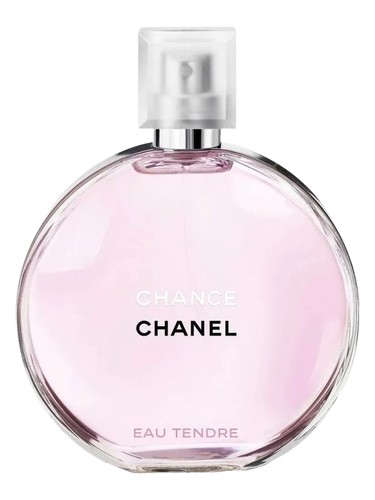
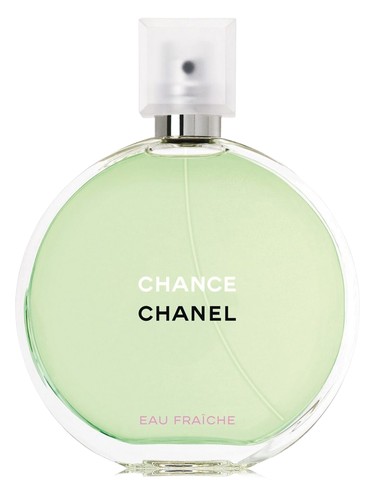
The similar fragrances list places L''Eau Rouge in interesting company: Chance Eau Tendre by Chanel, Delina by Parfums de Marly, Narciso Rodriguez For Her, J''adore by Dior, and Gabrielle by Chanel. This cluster reveals L''Eau Rouge''s DNA—feminine florals with modern sensibilities, fragrances that prioritize wearability and elegance over shock value.
Compared to its Chanel siblings, L''Eau Rouge appears lighter than Gabrielle and more rose-forward than Chance Eau Tendre. Against Delina''s jammy rose richness, L''Eau Rouge offers a cleaner, more transparent interpretation. It shares the musky intimacy of Narciso Rodriguez For Her but adds more floral dimension.
The Bottom Line
N°1 de Chanel L''Eau Rouge succeeds at what it sets out to do: deliver a contemporary rose fragrance that feels fresh rather than dated, approachable rather than intimidating. The 3.75 rating from over 500 voters suggests broad appeal, even if it hasn''t captured the passionate devotion that some fragrances inspire.
This is a safe choice in the best sense—reliable, polished, versatile. For someone seeking an everyday rose scent for warmer months, particularly for daytime wear, L''Eau Rouge delivers quality and wearability. It won''t challenge or provoke, but it will make you smell consistently lovely. Those seeking drama or unusual twists should look elsewhere. Those wanting a well-crafted, modern rose that works from office to weekend? Spray with confidence.
Reseña editorial generada por IA