First Impressions
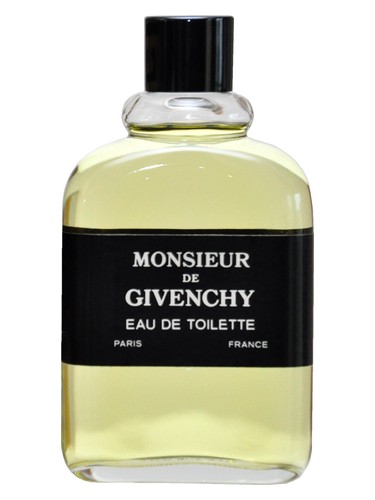
The first spray of Monsieur de Givenchy announces itself with a burst of lemon so bright it practically sparkles, immediately tempered by an unexpected spice cabinet intrusion. Carnation, cinnamon, and pepper create a warmth that feels both vintage and slightly jarring—like stumbling upon your grandfather''s cologne and discovering he had bolder tastes than you imagined. This is citrus with a backbone, aromatic with attitude, a 1959 composition that refuses to play it entirely safe. Yet something in that initial moment raises questions. The blend doesn''t quite settle into itself with the confidence you''d expect from a house like Givenchy. It''s a first impression that leaves you intrigued but uncertain.
The Scent Profile
The opening act delivers that dominant citrus accord at full strength—lemon leading the charge with unwavering brightness. But this isn''t the clean, aquatic citrus of modern masculines. The carnation and cinnamon create a spiced, almost floral warmth that feels distinctly of another era, when men''s fragrances weren''t afraid to borrow from traditionally feminine ingredients. The pepper adds a subtle bite, keeping the composition from veering too sweet.
As the top notes begin their retreat, lemon verbena and lavender emerge in the heart. Here, the aromatic accord takes center stage, that classic barbershop lavender mingling with verbena''s green, slightly herbal character. It''s a combination that should feel comforting and familiar—and for some wearers, it does. The lavender softens the spice, while the verbena maintains that citrus thread from the opening, creating continuity even as the fragrance evolves.
The base settles into a trinity of vintage masculinity: oakmoss, sandalwood, and musk. The oakmoss provides that mossy earthiness that defined masculine fragrances of the mid-century, while sandalwood adds creamy woodiness. Musk rounds everything out with subtle skin-like warmth. On paper, this progression reads like a masterclass in classic composition. In practice, however, the execution appears to miss the mark for many contemporary noses.
Character & Occasion
Monsieur de Givenchy is overwhelmingly a daytime fragrance—the data shows 100% day suitability versus just 40% for evening wear. This makes perfect sense given its bright citrus-aromatic profile. The seasons tell an equally clear story: this is a fragrance built for warmth. Spring and summer both score 88%, positioning this as your warm-weather companion, while winter limps in at just 27%.
Picture this worn on a spring morning commute, the citrus cutting through without overwhelming. Or imagine it on a summer day when you need something fresh but with more character than a simple cologne. The spice elements give it enough complexity for the office—in fact, community feedback specifically mentions work settings as its natural habitat. It''s professional without being boring, distinctive without demanding attention.
Fall sees moderate compatibility at 59%, suggesting it can transition into cooler weather with the right wardrobe—perhaps with a light sweater rather than a heavy coat. But by winter, those bright citruses and aromatic lavenders feel out of step with the season''s demands.
Community Verdict
Here''s where the story takes a sharp turn. Despite a respectable 4.4/5 rating from 429 votes on the broader platform, the Reddit r/fragrance community tells a starkly different story. The sentiment score sits at a dismal 2.5/10, with feedback ranging from lukewarm to outright hostile.
One user''s "YUCK" assessment encapsulates the harsher critiques, while another explicitly warned against blind-buying after regretting their own purchase. The disconnect is striking: what might appeal as a vintage curiosity or safe office scent for some becomes an actively unpleasant experience for others.
The pros are modest: it works in office settings without causing offense, and vintage fragrance collectors might appreciate its historical significance. But the cons are more damning: an unpleasant scent profile for modern noses, poor community reception overall, and those cautionary tales about blind-buy regret.
This polarization suggests that Monsieur de Givenchy hasn''t aged as gracefully as some of its contemporaries, or that its particular balance of ingredients strikes a discordant note for today''s preferences.
How It Compares
The comparison fragrances read like a who''s who of masculine classics: Eau Sauvage by Dior, Pour Monsieur by Chanel, Vetiver by Guerlain, Terre d''Hermès, and Habit Rouge. These are legendary names that have maintained devoted followings across decades.
The difference? Most of those fragrances have achieved genuine icon status, with reformulations that attempt to bridge vintage character with modern sensibilities. Eau Sauvage''s hedione-driven radiance, Pour Monsieur''s refined elegance, Guerlain''s Vetiver earthy sophistication—these fragrances are still widely recommended and worn.
Monsieur de Givenchy occupies a more complicated space. It shares their vintage DNA and classical structure, but lacks the universal appeal that elevated its peers to timeless status. It''s the fragrance that could have been in that elite company but somehow didn''t quite stick the landing.
The Bottom Line
Monsieur de Givenchy presents a genuine puzzle. A 4.4/5 rating from over 400 voters suggests significant appeal, yet the community sentiment reveals considerable disappointment among those who''ve actually worn it extensively. This is a fragrance best approached with caution and realistic expectations.
If you''re a vintage fragrance collector, it deserves a sample for historical context. If you need a safe, non-offensive office scent for warm weather, it might serve that purpose adequately. But as a blind buy or a signature scent? The community data strongly advises against it.
Sample before you commit. Understand that this is a 1959 composition that may smell dated rather than classic. Recognize that what reads beautifully as a list of notes doesn''t always translate to a beautiful wearing experience. And perhaps most importantly, trust that sometimes the gap between a fragrance''s promise and its performance reveals something essential about why certain scents become legends while others remain curious footnotes.
Reseña editorial generada por IA